TL;DR
- Cold outbound in 2026 demands a shift to quality over quantity and advanced compliance.
- Success relies on targeted strategies, precise ICPs, and clean lead lists.
- AI tools and human SDRs work together for smarter, more relevant outreach.
- Personalization and trigger-based campaigns drive higher conversion rates.
- Multi-channel sequences, including LinkedIn and email, boost reply rates.
- Data-driven frameworks and real-world examples reveal proven cold outbound best practices.
- Access detailed tables, visuals, and resources for optimizing your entire cold outbound program.
In 2026, cold outbound is a battleground where only the most innovative and human-centric approaches win attention. With every inbox flooded and prospects more discerning, the old tactics simply do not cut it anymore.
To master cold outbound now, you need a blend of cutting-edge automation, advanced personalization, and strict compliance. This comprehensive guide equips you with actionable strategies, step-by-step frameworks, and expert insights to drive measurable results.
You will discover the newest trends, see how to leverage trigger-based prospecting, and learn best practices trusted by top-performing sales teams. If you are ready to elevate your outreach, start by exploring proven cold outbound techniques in Mastering Cold Outreach Tips.
Get ready to transform your outbound approach for 2026 and beyond.

The Evolution of Cold Outbound: Trends & Challenges in 2026
Cold outbound in 2026 is a rapidly changing landscape, shaped by technology, compliance, and buyer expectations. To succeed, you need to understand the trends driving this evolution and the unique challenges that come with them. Below, we break down the key shifts every team must navigate to build a future-proof cold outbound program.

The Shift from Quantity to Quality
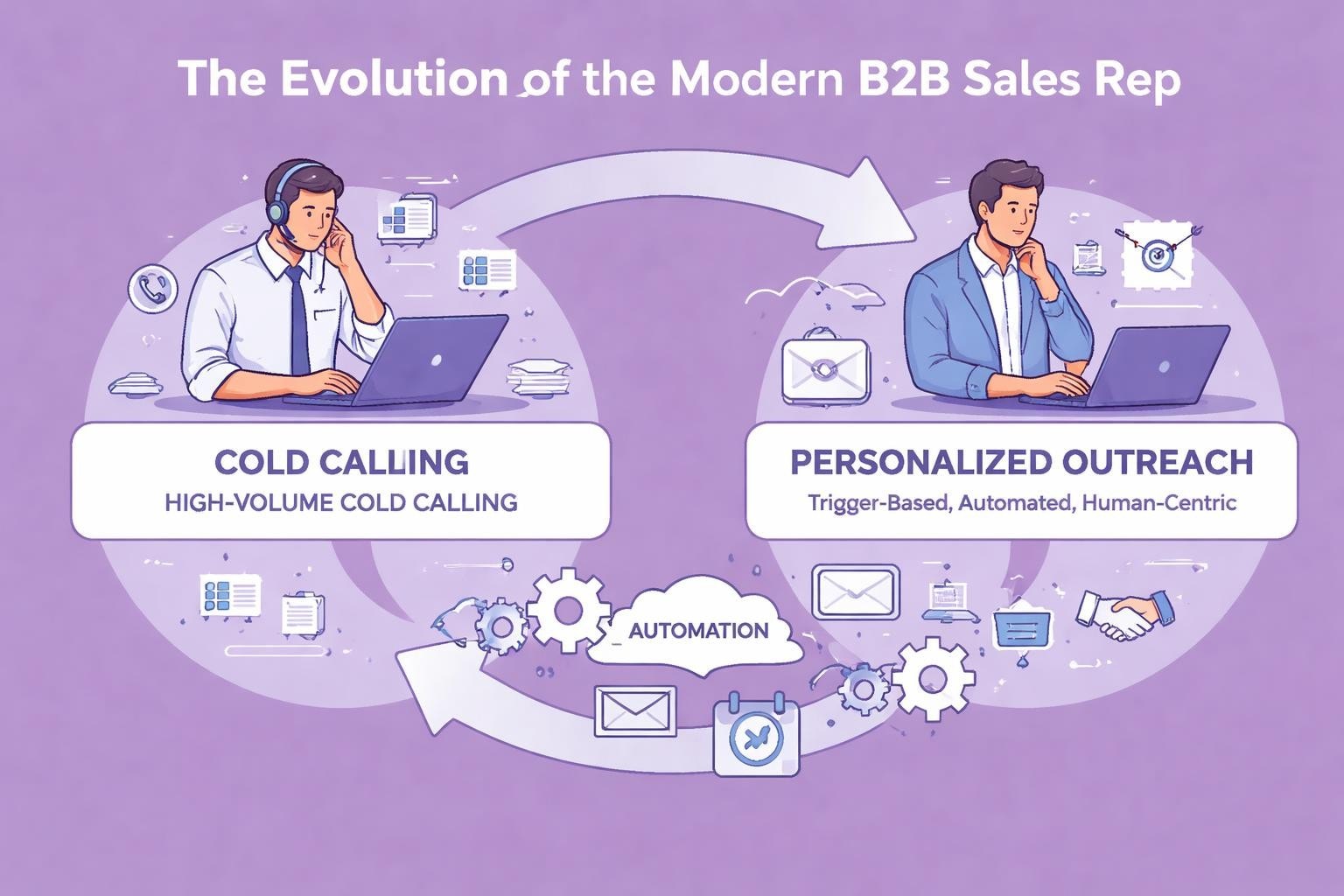
The era of mass, generic cold outbound is fading fast. In 2026, high-performing teams focus on a targeted, account-based approach, zeroing in on high-ACV prospects rather than casting a wide net. This shift is driven by the decline of “spray and pray” tactics, which now deliver diminishing returns.
Data from Gartner reveals that response rates for generic cold emails dropped below 1 percent by 2025. Success now demands precision, relevance, and a deep understanding of your ideal customer profile. Cold outbound strategies must be more intentional than ever.
AI, Automation, and the Human Touch
AI-powered sales development reps (SDRs) have become standard, but human oversight remains essential. Hybrid teams, where AI handles research and initial drafts while humans add context and empathy, consistently outperform both fully automated and manual teams.
According to the AiSDR 2026 Report, blending AI efficiency with human nuance leads to more authentic connections and higher conversion rates. For a deeper look at how AI is shaping modern cold outbound, see AI's Role in Outbound Sales by 2026. The most effective cold outbound campaigns use AI for speed, but always put people first.
Compliance, Privacy, and Deliverability
Regulatory scrutiny is at an all-time high. New and evolving privacy laws, including GDPR, CCPA, and various US state regulations, require outbound teams to rethink their approach. Companies must prioritize opt-out management, domain authentication, and mailbox warming to maintain strong deliverability.
Non-compliance is costly—numerous organizations faced significant fines in 2025, as highlighted by the IAPP. To future-proof your cold outbound, build compliance into every step and stay updated on global data protection trends.
Multi-Channel Outbound
Relying on a single channel is no longer effective. Modern cold outbound integrates LinkedIn, email, phone, and even social media touchpoints into seamless sequences. This multi-channel approach increases visibility and boosts reply rates.
A Veloxy study found that teams using multi-channel outbound sequences see a 27 percent increase in replies compared to single-channel efforts. Adopting a coordinated, multi-touch strategy is now a must for cold outbound success.
Trigger-Based Outreach and Real-Time Signals
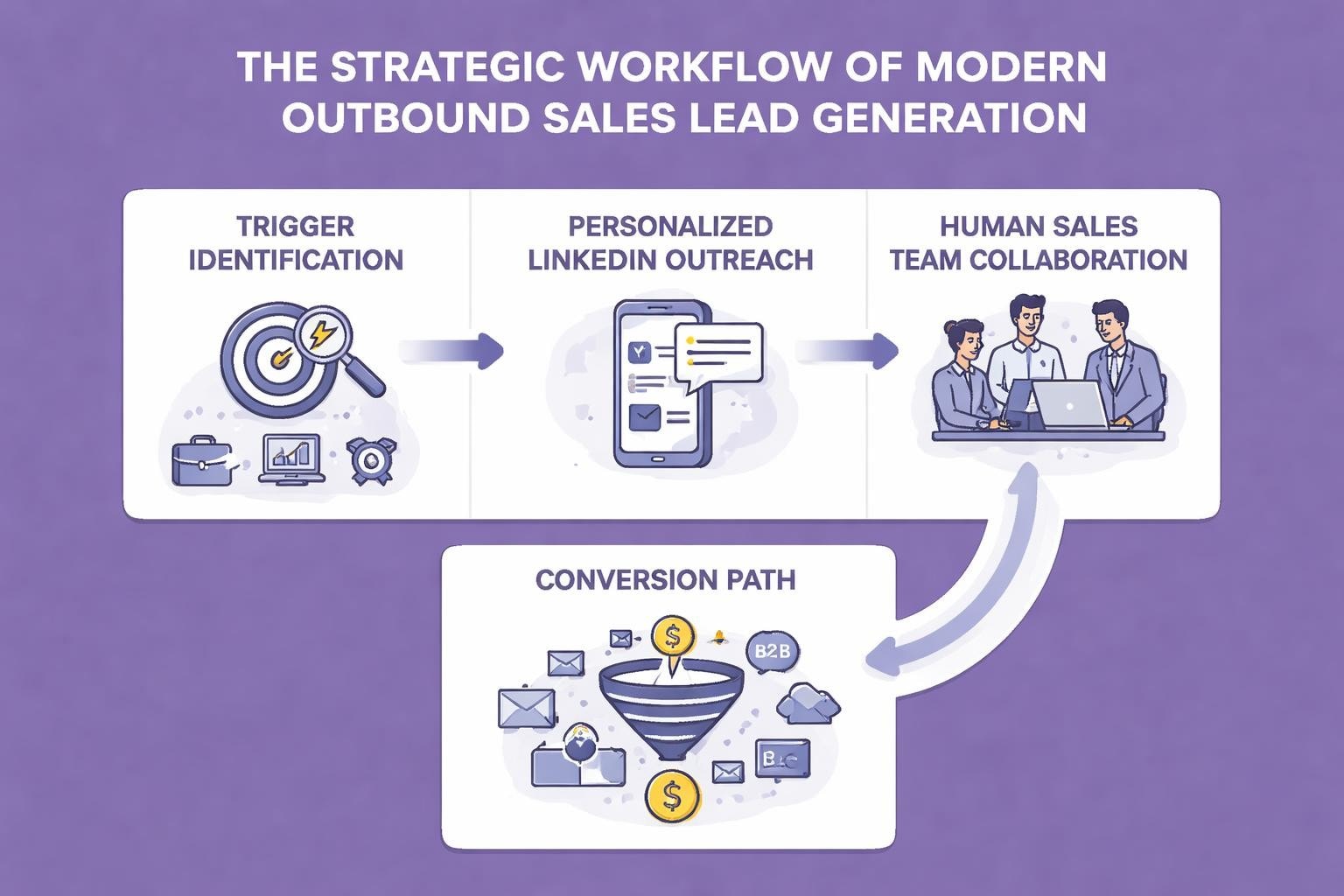
Relevance is king in 2026. Cold outbound teams leverage real-time signals such as fundraising events, hiring sprees, media coverage, or product launches to time their outreach perfectly. By acting on these triggers, teams ensure their messages land when prospects are most receptive.
The AiSDR case study reported a 35 percent lift in positive replies for campaigns using trigger-based outreach. Teams that monitor for these signals and personalize accordingly consistently outperform the competition.
Outbound Tech Stack in 2026
To support all these advancements, your tech stack needs to be robust and integrated. AI prospecting tools, CRM integrations, and advanced sales engagement platforms are now standard for effective cold outbound.
Below is a comparison of top outbound tools in 2026:
<table>
  <tr>
    <th>Tool</th>
    <th>Function</th>
    <th>Standout Feature</th>
  </tr>
  <tr>
    <td>Samplead</td>
    <td>Trigger Detection</td>
    <td>Real-time event signals</td>
  </tr>
  <tr>
    <td>Salesloft</td>
    <td>Sales Engagement</td>
    <td>Multi-channel sequencing</td>
  </tr>
  <tr>
    <td>Clearbit</td>
    <td>Data Enrichment</td>
    <td>Granular firmographic filters</td>
  </tr>
  <tr>
    <td>Outreach.io</td>
    <td>Sequence Automation</td>
    <td>AI-driven analytics</td>
  </tr>
  <tr>
    <td>HubSpot</td>
    <td>CRM Integration</td>
    <td>Unified reporting</td>
  </tr>
</table>
Cold outbound in 2026 is defined by quality over quantity, smart use of AI, rigorous compliance, multi-channel engagement, and real-time triggers. By embracing these trends and building the right tech stack, your team can stay ahead of the curve and drive measurable results.
Step 1: Building a High-Impact Outbound Strategy
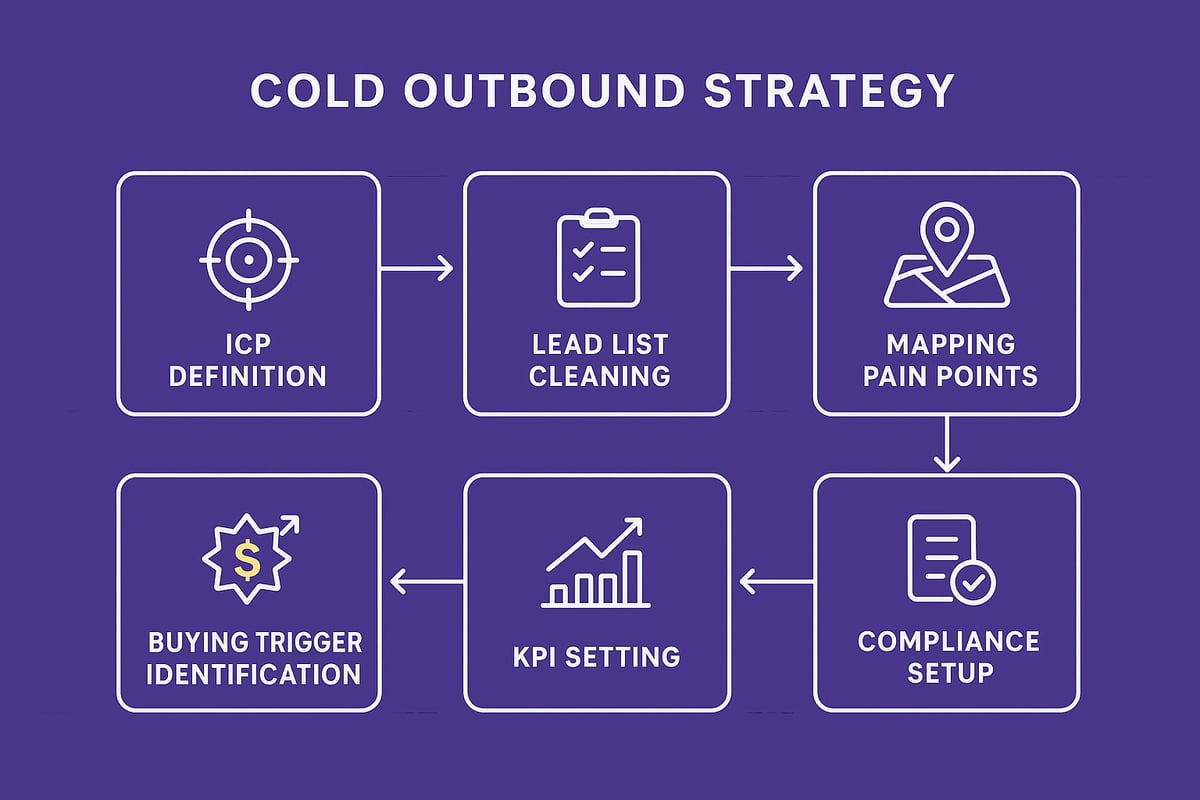
A high-performing cold outbound program in 2026 starts with a smart, data-driven strategy. Every step you take—from identifying your ideal customer to ensuring compliance—lays the groundwork for consistent results and pipeline growth.
Define Your ICP and Sales Persona
Start your cold outbound journey by defining your Ideal Customer Profile (ICP) and core sales personas. Segment prospects by company size, industry, role, and unique pain points. Granular targeting is crucial—use data enrichment tools to reveal hidden commonalities and buying signals.
For example, a CTO and a VP of Engineering face different challenges, so tailor your message accordingly. Accurate personas help ensure your cold outbound messaging resonates from the first touch.
Curate and Clean Your Lead List
A clean, targeted lead list is the backbone of cold outbound success. Remove outdated or irrelevant contacts and segment the list by relevance to your ICP. Leverage enrichment platforms like LinkedIn Sales Navigator to validate emails and job titles.
Clean lists don't just boost deliverability—they also reduce bounce rates by 22 percent, according to Veloxy. This step ensures every message you send lands in front of the right decision maker.
Map Buyer Pain Points and Solutions
Next, outline three to five pain points for each persona and directly match your solutions to those challenges. Focus on business outcomes instead of just product features.
| Pain Point | Solution |
|---|---|
| Manual data entry wastes time | Automated CRM integration |
| Low response rates | Personalized, trigger-based campaigns |
| Compliance concerns | Built-in privacy management |
By mapping pain points to solutions, your cold outbound outreach becomes more relevant and compelling.
Identify and Leverage Buying Triggers
Monitor real-time signals like funding news, hiring growth, or recent media appearances. Tools such as Mention, Crunchbase, and Samplead help you spot these buying triggers as they happen.
Trigger-based outreach lets you time your cold outbound efforts for maximum relevance. For example, reaching out after a prospect’s podcast appearance or funding announcement can dramatically increase your chances of a positive reply.
Set Clear Goals and KPIs
Define the metrics that matter: reply rates, meetings booked, and conversion rates. Regularly A B test subject lines and messaging to optimize performance.
For a deeper dive into boosting your outbound results, check out Enhancing Outbound Sales Performance. Setting clear benchmarks and tracking KPIs is essential for a scalable cold outbound program.
Compliance and Deliverability Setup
Staying compliant is non negotiable in 2026. Use secondary domains, authenticate your sending infrastructure, and warm up new mailboxes to protect your sender reputation.
Manage opt out requests promptly and ensure your process aligns with privacy laws. These steps safeguard your cold outbound campaigns from deliverability issues and legal pitfalls.
Step 2: Crafting Outbound Messaging That Converts
Cold outbound success in 2026 hinges on messaging that stands out, feels personal, and drives action. Every word counts, and your approach must blend relevance, brevity, and trust. Let’s break down exactly how to create messaging that converts.

Personalization at Scale
In cold outbound, personalization is your first lever. Use dynamic fields to insert the prospect’s company, role, or a recent event. Mentioning a trigger like a funding round or new product launch signals genuine research. For example, “Congrats on your recent funding round—quick question about your scaling plans.” This approach, especially when paired with trigger-based outbound, drives higher reply rates by making every touch relevant.
- Reference recent company news
- Use the recipient’s preferred communication channel
- Mention specifics that show you did your homework
Personalization at scale means leveraging automation without losing the human touch. Doing so sets your cold outbound apart from generic spam.
Frameworks for High-Performing Emails
Frameworks bring structure to your cold outbound messaging. The AIDA (Attention, Interest, Desire, Action), PAS (Problem, Agitation, Solution), and JTBD (Jobs To Be Done) models help craft concise, impactful emails. Keep messages under 50 words for best response rates.
Example:
Before:
“Hi, we help companies with cloud storage. Interested in learning more?”
After:
“Hi Alex, noticed your team is expanding—are you open to a quick chat about streamlining cloud storage for scaling tech firms?”
Using a proven framework ensures your cold outbound emails get to the point and prompt action.
Overcoming Common Objections
Objections are part of every cold outbound campaign. Equip your SDRs with scripts to address the top five pushbacks:
| Objection | Best Response |
|---|---|
| Already using X | “Great—many clients used X before switching for added features.” |
| No budget | “Understood—our ROI cases often unlock budget for high-impact tools.” |
| Not a priority | “Happy to circle back when it is—can I send a resource in the meantime?” |
| Send info | “Absolutely—what’s most relevant for you right now?” |
| Too busy | “I’ll be brief—would a 15-min call next week work?” |
Handling objections confidently keeps your cold outbound conversations moving forward.
Social Proof and Trust Signals
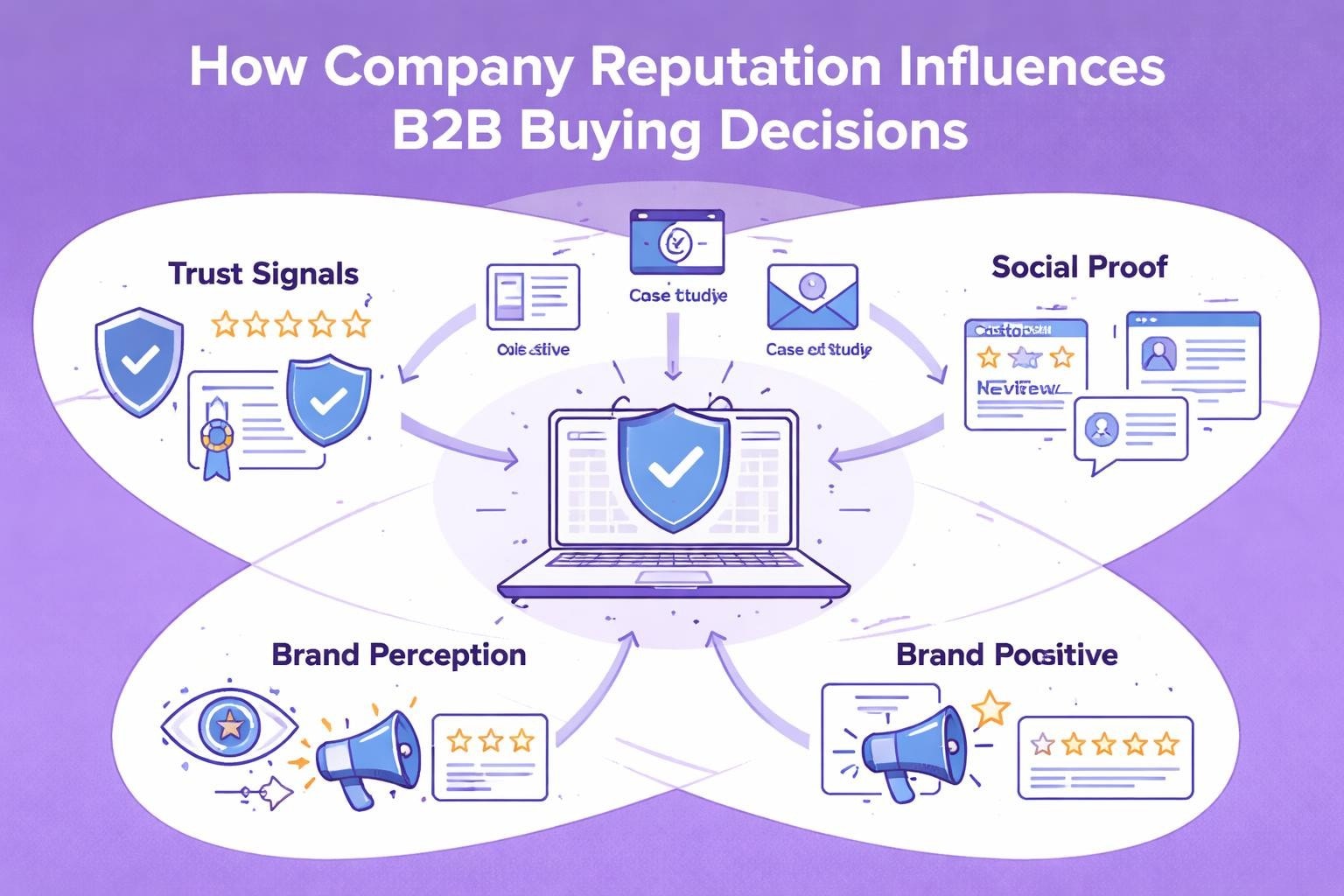
Trust is the backbone of cold outbound. Social proof—like testimonials, client logos, or performance stats—builds credibility quickly.
- “Trusted by 3 of the Fortune 500”
- “Helped X company save $250k in 3 months”
- “Awarded Best SaaS Tool 2025”
Visual signals such as awards or recognizable logos in your signature can boost response rates. Always back up claims with real numbers or recognizable brands.
Call-to-Action Optimization
A weak CTA can ruin a great cold outbound message. Make your asks clear, low-friction, and specific.
- “Would you be open to a 15-min intro call next week?”
- “Can I send a quick video demo?”
- “Is it worth a brief chat on Tuesday or Thursday?”
Avoid vague requests like “let me know what you think.” Instead, tailor CTAs to the recipient’s context for higher engagement.
Multi-Channel Messaging Sequences
Cold outbound is no longer just about email. Combine LinkedIn, email, and phone touches in a coordinated sequence.
Example Sequence:
- Day 1: LinkedIn connection request
- Day 3: Personalized email referencing a recent trigger
- Day 7: Brief phone call or voice note
Multi-channel sequences boost reply rates and ensure your message lands where prospects are most active. Integrating triggers and timely outreach across platforms is key to modern cold outbound.
Step 3: Advanced Outbound Execution in 2026
The landscape for cold outbound in 2026 demands precision, adaptability, and a deep integration of technology with human insight. Executing at an advanced level means leveraging real-time triggers, blending AI with human expertise, and optimizing every touchpoint for compliance and deliverability. Let’s break down the pillars of next-level cold outbound execution.
Trigger-Based Prospecting for Timely Outreach
Modern cold outbound thrives on relevance. Trigger-based prospecting means reaching out at the exact moment a prospect is likely to be receptive. Set up alerts for events like funding rounds, hiring spikes, podcast appearances, or press releases.
Utilize tools such as Samplead, Mention, and Crunchbase to capture these real-time signals. For example, after a target company appears on a major podcast, a well-timed cold outbound message referencing this event can double your response rate.
- Monitor industry news and updates
- Leverage automation for instant alerts
- Personalize outreach to the specific trigger
Timing is everything, and trigger-based tactics keep your cold outbound both relevant and effective.
AI and Human Collaboration
AI has transformed cold outbound in 2026, but human oversight remains critical. AI SDRs can draft personalized messages, analyze data for optimal send times, and segment leads by intent. However, the human touch ensures messages resonate and adapt to nuance.
A hybrid approach means AI drafts the initial outreach, then a skilled SDR reviews and personalizes based on trigger events or prospect background. This collaboration leads to more authentic connections and avoids robotic messaging.
- AI for data enrichment and message drafting
- Human review for tone and relevance
- Continuous feedback loop for best results
Companies combining AI with human insight consistently outperform those relying on automation alone in cold outbound.
Sequence Automation and Follow-Up Strategies
Efficiency is essential for scaling cold outbound, and smart automation is the backbone. Automate your outreach sequences, but always personalize follow-ups to ensure authenticity. Optimal cadence in 2026 is five to seven touches over two weeks, mixing channels for maximum impact.
For a deep dive on tools and technologies that power scalable campaigns, explore Maximizing Outbound Sales Efficiency. These resources help streamline your workflow and maximize every cold outbound opportunity.
- Automate initial outreach
- Personalize follow-ups with context
- Use multi-channel sequences: email, LinkedIn, phone
Refining your sequence strategy keeps your cold outbound efforts efficient and effective.
Deliverability & Technical Best Practices
Even the best cold outbound campaigns fail if messages land in spam. Maintain strong deliverability by monitoring your domain reputation and following technical best practices. Authenticate all sending domains with SPF, DKIM, and DMARC protocols.
Avoid spam triggers by steering clear of risky words and excessive links. Regularly check your sending health and rotate secondary domains when needed. These steps ensure your cold outbound consistently reaches the right inbox.
- Set up SPF, DKIM, DMARC for email authentication
- Monitor bounce and complaint rates
- Warm up new domains before large sends
Technical excellence safeguards your cold outbound investments and preserves sender reputation.
Analytics and Continuous Improvement
Advanced cold outbound is never static. Track open, reply, and conversion rates in real time. Use analytics dashboards to spot trends, test new approaches, and double down on what works.
A/B test subject lines, calls to action, and templates to optimize every step. Share findings with your team for rapid iteration and improvement.
- Measure every key metric
- Regularly review and refine messaging
- Implement feedback loops for ongoing growth
Continuous analysis and optimization keep your cold outbound program ahead of the curve.
Table: Cold Outbound Execution Checklist (HTML)
<table>
  <tr>
    <th>Step</th>
    <th>Action</th>
    <th>Tool/Resource</th>
  </tr>
  <tr>
    <td>ICP Definition</td>
    <td>Segment by firmographics & triggers</td>
    <td>LinkedIn, Crunchbase</td>
  </tr>
  <tr>
    <td>List Cleaning</td>
    <td>Remove invalid contacts</td>
    <td>ZoomInfo, Clearbit</td>
  </tr>
  <tr>
    <td>Trigger Detection</td>
    <td>Set up alerts</td>
    <td>Mention, Samplead</td>
  </tr>
  <tr>
    <td>Personalized Messaging</td>
    <td>Reference recent events</td>
    <td>AI SDR, SDR review</td>
  </tr>
  <tr>
    <td>Follow-Up</td>
    <td>Automated, human review</td>
    <td>Salesloft, Outreach</td>
  </tr>
</table>
Step 4: Measuring Success & Optimizing Your Outbound Program
Tracking, measuring, and optimizing your cold outbound program is essential for sustained growth in 2026. With smarter analytics and evolving benchmarks, success depends on knowing what to measure and how to turn insights into action. Let us break down the key steps for mastering performance measurement in cold outbound.
Key Metrics to Track
To optimize your cold outbound results, you need to monitor the right metrics. Focus on open rates, reply rates, positive response rates, meetings booked, and pipeline generated.
Industry benchmarks show that top cold outbound performers in 2026 achieve 8 to 12 percent reply rates. Consistently tracking these numbers helps you spot trends and identify areas for improvement. Use a dashboard to visualize progress and motivate your team.
Analyzing Campaign Performance
Once you have data, dig deeper with your CRM and sales engagement analytics. Analyze which cold outbound campaigns drive the most engagement and conversions.
Look for bottlenecks in your process, such as underperforming subject lines, poor timing, or the wrong channel mix. By breaking down the customer journey, you can pinpoint exactly where prospects drop off and adjust your outreach accordingly.
A/B Testing and Experimentation
Testing is the backbone of any high-performing cold outbound strategy. Regularly A/B test subject lines, email templates, CTAs, and send times to maximize impact.
For example, changing a subject line or call to action can boost reply rates from 7 percent to 11 percent. Make sure every test has a clear hypothesis and track the results closely to inform your next move.
Feedback Loops and SDR Enablement
Continuous improvement in cold outbound comes from robust feedback loops. Schedule regular team reviews, call coaching sessions, and share best-performing replies among SDRs.
Leverage call recordings and analytics to uncover what works. Encourage your team to learn from both wins and losses, creating a culture that values growth and adaptability.
Iterating Based on Data
Data-driven iteration is how top teams stay ahead in cold outbound. Adjust your ICP, triggers, and messaging based on campaign outcomes.
If you see low engagement in one vertical, pivot to another and test new messaging. One team saw a 30 percent increase in meetings booked after shifting focus, showing the value of agile, data-backed decision making. For additional guidance on compliance and ethical practices as you iterate, review these AI-powered sales outreach compliance considerations.
Table: Outbound Metrics Dashboard (HTML)
<table>
  <tr>
    <th>Metric</th>
    <th>Benchmark</th>
    <th>Your Result</th>
  </tr>
  <tr>
    <td>Open Rate</td>
    <td>45-60%</td>
    <td>[Input]</td>
  </tr>
  <tr>
    <td>Reply Rate</td>
    <td>8-12%</td>
    <td>[Input]</td>
  </tr>
  <tr>
    <td>Positive Response</td>
    <td>3-6%</td>
    <td>[Input]</td>
  </tr>
  <tr>
    <td>Meetings Booked</td>
    <td>2-4%</td>
    <td>[Input]</td>
  </tr>
  <tr>
    <td>Pipeline Generated</td>
    <td>$X per 1000 contacts</td>
    <td>[Input]</td>
  </tr>
</table>
A clear dashboard helps you compare your cold outbound metrics to industry benchmarks, ensuring you stay focused on the numbers that matter most.
Step 5: Future-Proofing Your Cold Outbound for 2026 and Beyond
Staying ahead in cold outbound requires more than clever tactics. In 2026 and beyond, future-proofing your outbound program means adapting to evolving regulations, channels, and technology while keeping your team sharp and your playbooks fresh.
Staying Ahead of Compliance and Privacy Laws
The compliance landscape for cold outbound is shifting rapidly. With new privacy and AI laws emerging in regions like California, outbound teams must proactively monitor regulatory changes. Adopting robust consent management, clear opt-out processes, and regular audits is essential. For detailed state-level updates, see the Privacy and AI Laws in California for 2026 resource.
Proactive compliance not only avoids costly fines but also builds trust with prospects.
Embracing New Channels and Formats
In 2026, cold outbound is no longer limited to email and phone. High-performing teams are experimenting with video, voice notes, and interactive content. LinkedIn voice messages and personalized video intros drive deeper engagement.
- Test emerging platforms early
- Use video for complex value propositions
- Track channel effectiveness
This multichannel approach keeps your outreach fresh and increases response rates.
Leveraging AI for Deeper Personalization
AI is transforming cold outbound by enabling hyper-personalized outreach at scale. Advanced tools research prospects, surface relevant triggers, and suggest messaging tailored to individual pain points. Predictive analytics help you identify the best-fit accounts.
Teams using AI-driven personalization see higher open and reply rates compared to generic approaches.
Building a Scalable Outbound Tech Stack
A scalable tech stack is the backbone of future-ready cold outbound. Integrate CRM, AI SDRs, sales engagement platforms, and data enrichment tools for seamless execution. Automation streamlines repetitive tasks, while analytics provide actionable insights.
| Component | Purpose | Example Tools |
|---|---|---|
| CRM | Data management | Salesforce, HubSpot |
| AI SDR | Personalization, automation | AiSDR, Outreach |
| Engagement Platform | Sequencing, analytics | Salesloft, Apollo |
| Data Enrichment | Lead validation | Clearbit, ZoomInfo |
With the right stack, cold outbound scales efficiently as your pipeline grows.
Training and Empowering Your SDR Team
Continuous training is crucial as cold outbound evolves. Equip SDRs with up-to-date knowledge on compliance, messaging, and new channels. Encourage a culture of experimentation and learning.
- Run regular workshops and best-practice sessions
- Share real-world success stories
- Use call recordings for coaching
Empowered SDRs adapt quickly to changes and drive better results.
Outbound Playbooks and Knowledge Sharing
Documenting and sharing best practices ensures consistency and accelerates onboarding. Create outbound playbooks that cover winning sequences, objection handling, and compliance checklists. Feature real email examples and positive outcomes.
A living knowledge base helps your team deliver cold outbound campaigns that stay compliant, relevant, and effective in 2026 and beyond.
FAQ: Cold Outbound Strategies for 2026
Have questions about cold outbound in 2026? Here are clear answers to the most common topics, helping you navigate this evolving landscape with confidence.
What is the most effective outbound channel in 2026?
Multi-channel remains key, but recent cold calling success rates in 2026 show phone outreach, when combined with email and LinkedIn, drives higher engagement.How do you personalize at scale without losing authenticity?
Blend AI-powered research with human review to tailor each cold outbound message to real-time triggers and prospect context.What are the top compliance risks for outbound in 2026?
Not managing consent, opt-outs, or violating new privacy laws can result in heavy fines and damaged reputation.How many follow-ups are optimal before stopping?
Five to seven thoughtful touches across channels is the current best practice for cold outbound.Which metrics matter most for outbound success?
Focus on reply rates, positive responses, meetings booked, and pipeline generated.How do you avoid spam filters with cold outbound?
Use authenticated domains, warm up mailboxes, and keep messaging highly relevant.What’s the role of AI vs. human SDRs in 2026?
AI handles research and drafting, while skilled SDRs personalize and build genuine relationships.