The landscape of B2B sales has fundamentally shifted. Gone are the days when spray-and-pray tactics delivered meaningful results. Today's outbound sales lead generation demands precision, timing, and genuine relevance. High-ACV businesses can no longer afford to waste resources on cold outreach that lacks context. Instead, successful teams focus on trigger-based prospecting that identifies the exact moment when a prospect is most likely to engage. This approach combines automation with human intelligence, creating opportunities that feel timely rather than intrusive.
The Evolution of Outbound Sales Lead Generation
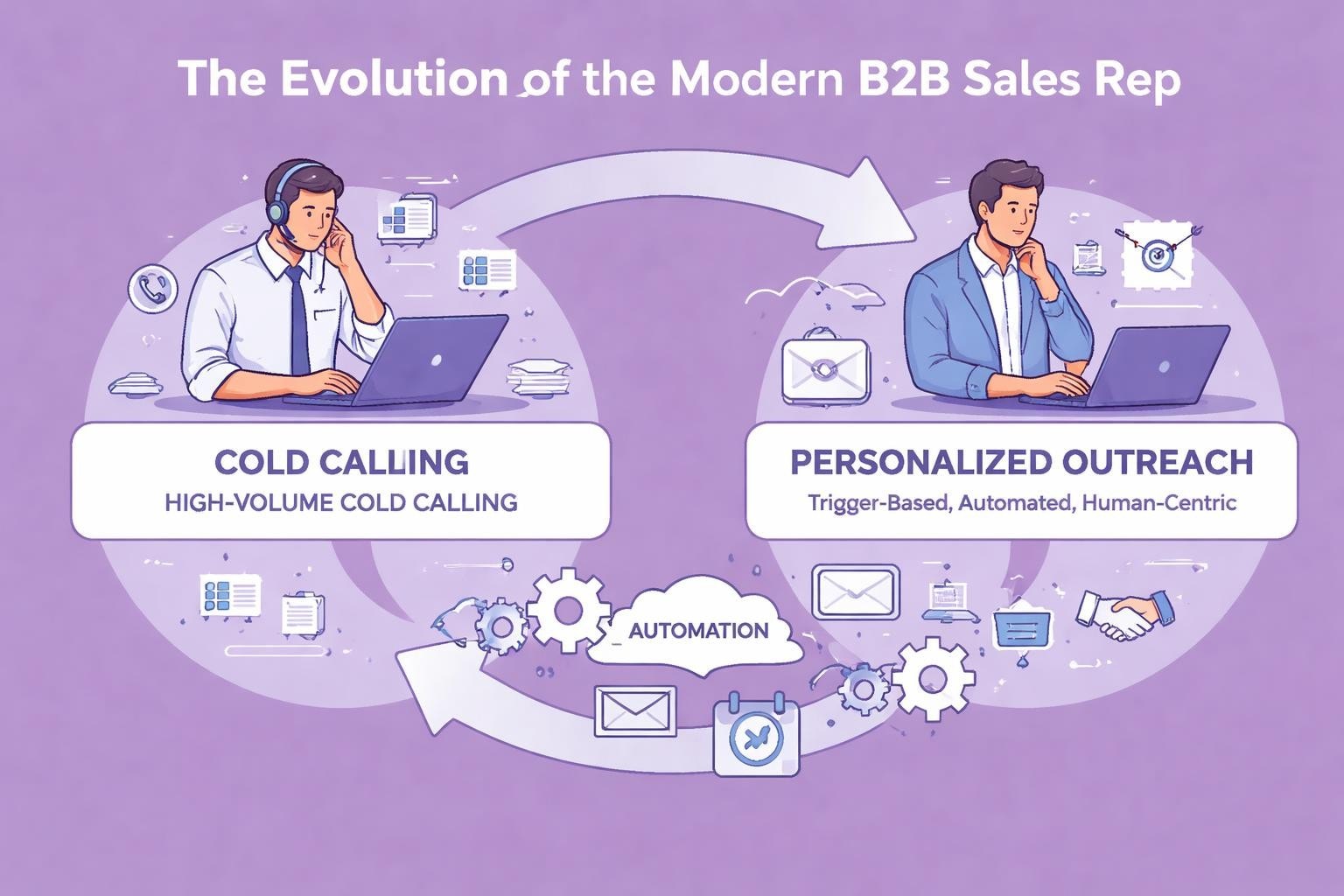
Traditional outbound strategies relied on volume. Sales teams would blast thousands of emails, hoping for a minimal response rate. This approach has become increasingly ineffective as buyers develop sophisticated filters for irrelevant outreach.
Modern outbound sales lead generation prioritizes quality over quantity. The shift isn't just philosophical; it's backed by data showing that personalized, timely outreach generates five to eight times higher engagement than generic campaigns. Recent sales statistics confirm that buyers respond to relevance, not repetition.
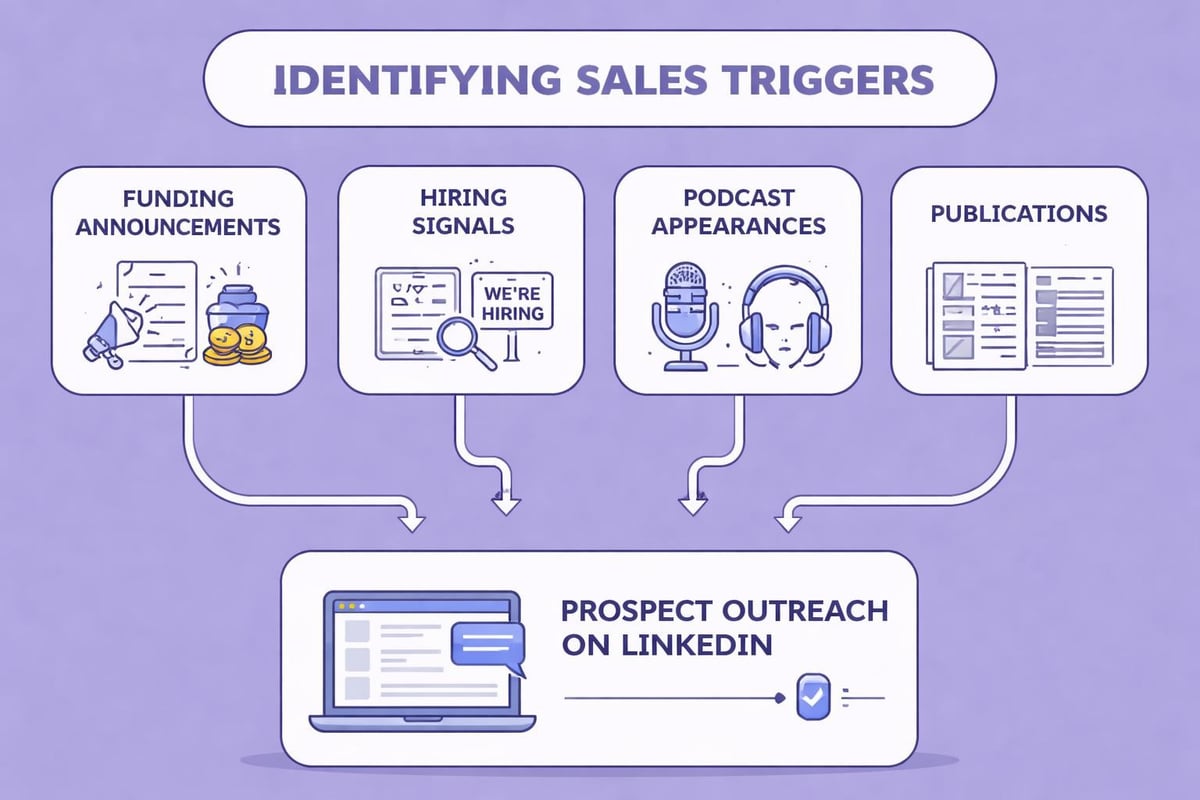
The most successful B2B teams now employ trigger-based methodologies. These strategies monitor specific events that signal buying intent or organizational change. When a prospect company announces a funding round, launches a new product line, or expands into a new market, they're experiencing pain points that your solution might address.
Understanding Trigger-Based Prospecting
Trigger-based prospecting transforms random outreach into strategic conversations. Instead of guessing when someone might need your solution, you wait for concrete signals.
Common high-intent triggers include:
- Recent funding announcements (Series A, B, C)
- Executive leadership changes
- New market expansion announcements
- Podcast or webinar appearances
- Published thought leadership content
- Hiring announcements for specific roles
- Product launch announcements
- Company relocations or office openings
Each trigger represents a specific business moment. A company that just raised Series B funding likely has budget allocated for growth initiatives. An executive who appeared on an industry podcast is actively building their professional brand and may be more receptive to partnership discussions.
The key is matching the trigger to your value proposition. For effective strategies for enhancing outbound sales performance, timing matters as much as messaging.
LinkedIn: The Primary Channel for High-ACV Outbound
For B2B businesses targeting high-value deals, LinkedIn remains the most effective outbound channel. Email inboxes are cluttered, phone calls go unanswered, but LinkedIn provides a professional context where decision-makers actively engage.
LinkedIn outreach succeeds because it feels native to the platform. When executed properly, your message appears as a professional networking opportunity rather than an unsolicited sales pitch. The platform's architecture supports relationship-building through content engagement, mutual connections, and shared interests.
Building a LinkedIn-First Outbound Strategy
Your LinkedIn approach should reflect the platform's professional nature. Generic connection requests get ignored. Messages that reference specific triggers and demonstrate research get responses.
| Element | Spray-and-Pray Approach | Trigger-Based Approach |
|---|---|---|
| Daily outreach volume | 100+ connections | 15-25 targeted connections |
| Message personalization | Name only | Trigger reference + context |
| Response rate | 2-5% | 15-30% |
| Qualified conversations | Low | High |
| Sales cycle length | Extended | Shortened |
The comprehensive guide to LinkedIn marketing solutions highlights how platform-specific strategies outperform generic outbound tactics.
Automation plays a crucial role in scaling LinkedIn outreach, but it must preserve authenticity. Your prospects should never feel like they're receiving robotic messages. The best outbound lead generation strategies balance efficiency with personalization.
Keeping Humans in the Loop
The market is flooded with AI SDR solutions promising to replace your sales team entirely. This represents a fundamental misunderstanding of high-ACV sales cycles. Complex B2B deals require human judgment, relationship-building skills, and adaptive communication that AI cannot replicate.
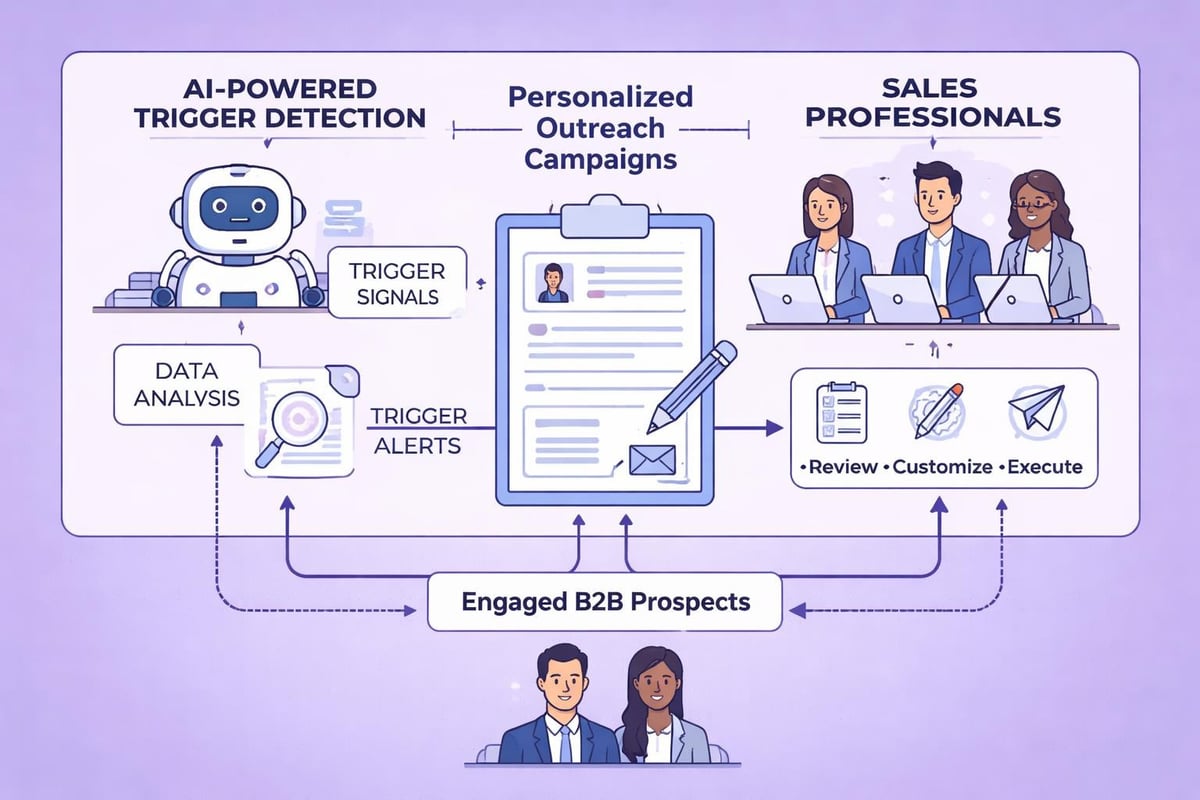
The most effective approach empowers your existing sales team with intelligent automation. AI handles research, trigger identification, and initial drafting, while humans provide strategic oversight and genuine relationship development.
Human advantages in outbound sales:
- Reading subtle buying signals in conversations
- Adapting messaging based on tone and context
- Building trust through authentic engagement
- Navigating complex organizational politics
- Creating custom solutions for unique challenges
Your sales team knows when to push and when to back off. They recognize when a "not right now" means "never" versus "circle back in three months." These nuances determine win rates in competitive deals. When personalizing outreach at scale with AI, human oversight ensures quality remains high.
The Quality Over Quantity Imperative
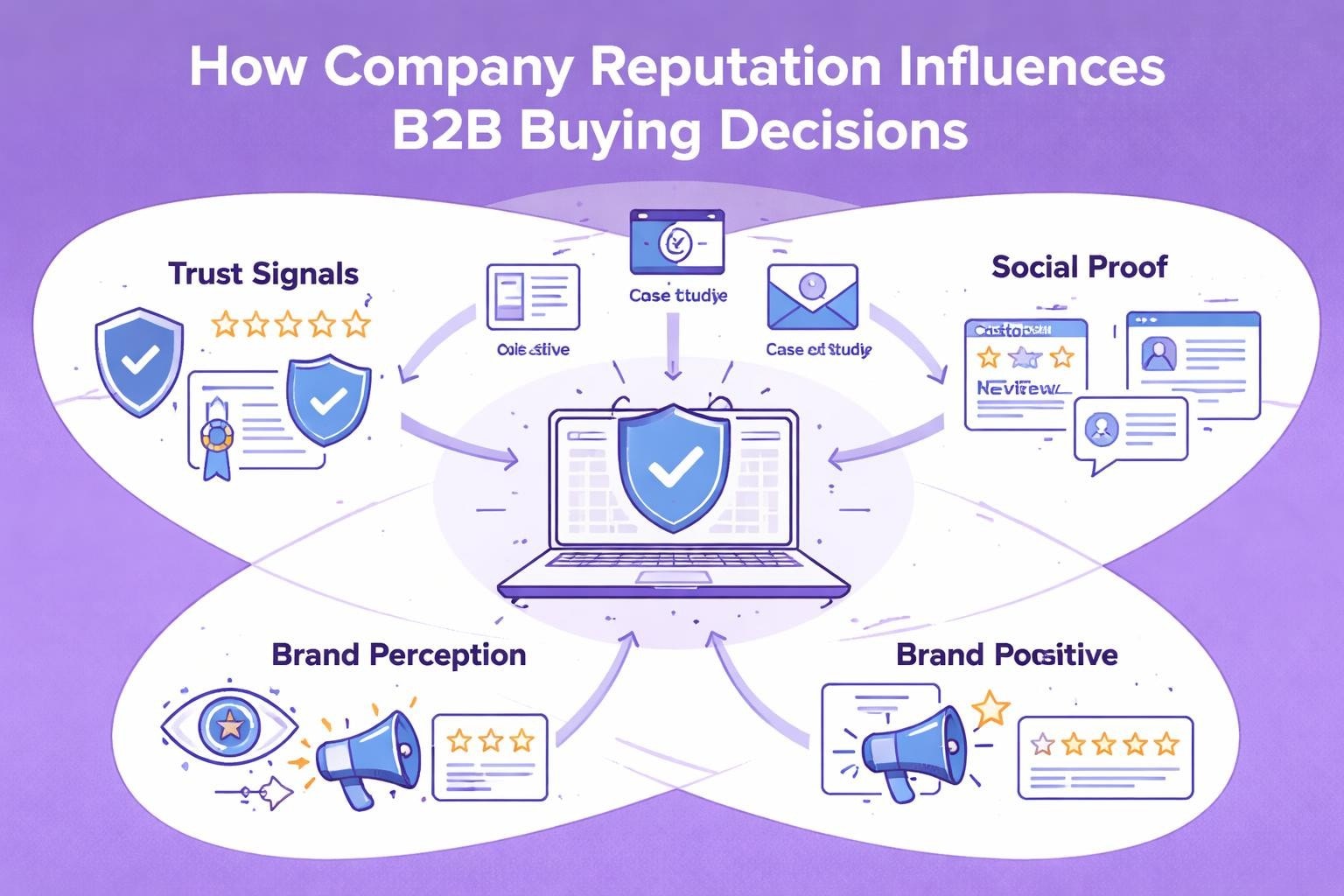
High-ACV businesses cannot afford to damage their reputation with aggressive outreach. Every touchpoint with a potential customer shapes their perception of your brand. Sending 1,000 generic messages might generate three meetings, but it also creates 997 negative impressions.
The alternative focuses on precision. Identify your ideal customer profile with extreme specificity. Then monitor those exact companies for relevant triggers. When the right signal appears, craft outreach that demonstrates you've done your homework.
This methodology delivers fewer total conversations but a dramatically higher percentage of qualified opportunities. For businesses where average deal sizes exceed $50,000, this trade-off makes perfect sense. The best practices in outbound lead generation consistently emphasize targeting accuracy over volume metrics.
Multi-Channel Integration for Comprehensive Outreach
While LinkedIn serves as the primary channel, effective outbound sales lead generation leverages multiple touchpoints. The goal isn't to spam prospects across every platform but to create a cohesive presence that reinforces your message.
A prospect might first encounter your company through a LinkedIn connection request. That same week, they might see retargeting ads showcasing your thought leadership. A few days later, they receive a personalized email referencing the trigger that made them relevant. This orchestrated sequence feels natural rather than aggressive.
Effective channel combinations include:
- LinkedIn for initial connection and ongoing engagement
- Email for detailed information sharing
- Content marketing to establish authority
- Strategic retargeting to maintain visibility
- Phone outreach for high-priority prospects
The key is sequencing and spacing. Nine key sales strategies for successful outbound lead generation emphasize how multi-channel approaches increase response rates when executed thoughtfully.
Trigger Identification and Monitoring Systems
The effectiveness of trigger-based prospecting depends entirely on your ability to identify relevant signals quickly. Manual monitoring is impossible at scale. You need systems that automatically track thousands of companies for specific events.
Building Your Trigger Monitoring Infrastructure
Modern prospecting teams use a combination of tools and platforms to capture trigger events. Some triggers are easy to identify through public announcements. Others require more sophisticated monitoring.
| Trigger Type | Data Sources | Response Timeline |
|---|---|---|
| Funding announcements | Crunchbase, TechCrunch, company press releases | Within 24-48 hours |
| Executive changes | LinkedIn updates, company websites | Within 1 week |
| Podcast appearances | Podcast platforms, LinkedIn activity | Immediately after publication |
| Hiring announcements | LinkedIn job posts, career pages | Within 3-5 days |
| Publication authorship | Industry publications, LinkedIn articles | Same day |
Speed matters significantly. A funding announcement triggers outreach from dozens of vendors. Being among the first three to reach out increases your chances of securing a meeting by 40% compared to those who wait a week.
Your system should also prioritize triggers based on fit. Not every funding announcement deserves immediate attention. A Series A raise by a company outside your target industry might be less relevant than a VP Sales hire at an existing target account.
Crafting Messages That Convert
Trigger identification means nothing without messaging that resonates. Your outreach must connect the trigger to a specific value proposition. Generic templates destroy the credibility you've built through research.
Effective trigger-based messages follow a consistent structure. They acknowledge the trigger, demonstrate understanding of its implications, and offer specific value without asking for too much too soon.
Message framework for trigger-based outreach:
- Personalized opening acknowledging the trigger
- Brief context showing you understand their business
- Specific value proposition tied to their current situation
- Low-friction next step (not a demo request)
- Professional close that maintains relationship focus
The most common mistake is making the message about your company instead of their needs. Your prospect doesn't care that you've helped 200 companies. They care whether you understand their specific challenge related to the trigger you referenced.
Consider proven tips for increasing your response rate on LinkedIn when crafting your messaging strategy. Small changes in tone, length, and structure can double or triple response rates.
Avoiding Common Outbound Pitfalls
Even with trigger-based approaches, certain mistakes undermine outbound effectiveness. Understanding these pitfalls helps teams maintain campaign quality.
The first major error is moving too quickly from connection to pitch. LinkedIn relationships require nurturing. Connect, engage with their content, provide value through comments, then message. This sequence feels natural.
Another common mistake involves insufficient research. Mentioning a trigger isn't enough; you must understand its implications for their business. A hiring announcement for a VP of Customer Success suggests different priorities than a VP of Sales hire.
Timing errors also derail campaigns. Reaching out immediately after a negative trigger (like layoff announcements) appears opportunistic and insensitive. Some triggers require waiting periods before outreach makes sense.
Measuring Outbound Success Beyond Response Rates
Traditional outbound metrics focus on activity: emails sent, calls made, connections requested. These numbers matter less in trigger-based methodologies. Instead, focus on quality indicators that predict revenue outcomes.
Critical metrics for outbound sales lead generation:
- Trigger-to-outreach speed (how quickly you act on signals)
- Response rate from triggered outreach versus cold outreach
- Conversation-to-meeting conversion rate
- Meeting-to-opportunity conversion rate
- Average deal size from triggered leads versus other sources
- Sales cycle length comparison by source
The strategies to drive B2B growth emphasize outcome metrics over activity metrics. Your team should optimize for meetings with decision-makers who have budget and timeline, not total outreach volume.
For high-ACV businesses, a single well-timed conversation can generate more revenue than hundreds of generic touchpoints. Your measurement framework should reflect this reality.
The Technology Stack for Modern Outbound
Executing trigger-based outbound sales lead generation requires the right tools. Your technology stack should enable trigger monitoring, outreach automation, and performance tracking without sacrificing personalization.
Essential components include a robust CRM, LinkedIn automation tools, trigger monitoring platforms, and analytics dashboards. The key is integration; these tools must share data seamlessly to create a unified workflow.
The debate between fully automated AI SDRs and human-empowered approaches continues. While some vendors push complete automation, game-changing outbound sales agency strategies demonstrate that hybrid models deliver superior results for complex B2B sales.
Your technology should handle repetitive tasks while freeing humans for strategic work. Automation identifies triggers, drafts initial messages, and tracks engagement. Humans review context, customize approaches, and manage relationships.
Scaling Trigger-Based Prospecting
As your outbound program matures, scaling becomes necessary. The challenge is maintaining quality while increasing volume. This requires systems, not just additional headcount.
Start by documenting your trigger-to-close process. What specific triggers generate the highest conversion rates? Which messaging frameworks perform best for each trigger type? How long should you nurture before asking for meetings?
These insights let you build playbooks that new team members can execute consistently. Your best performers' approaches become templates that scale across the organization.
| Scaling Element | Manual Approach | Systematized Approach |
|---|---|---|
| Trigger identification | Individual research | Automated monitoring |
| Message creation | Each rep writes from scratch | Templates with customization points |
| Follow-up sequences | Ad-hoc based on rep judgment | Documented cadences by trigger type |
| Quality control | Manager spot-checks | Systematic reviews with scorecards |
Technology enables scale, but process discipline sustains it. The proven strategies to scale sales through outbound require operational excellence alongside smart tools.
Industry-Specific Trigger Strategies
Different industries signal buying intent through unique triggers. Understanding these nuances helps you identify opportunities competitors miss.
In the SaaS world, technology stack changes indicate openness to new solutions. A company migrating from one CRM to another is evaluating their entire revenue tech stack. Healthcare organizations hiring compliance officers suggest new regulatory requirements they must address.
Financial services firms expanding into new geographies face localization challenges. Manufacturing companies announcing sustainability initiatives need solutions supporting those goals.
Your trigger monitoring should reflect industry-specific signals. Generic triggers work across sectors, but specialized knowledge creates competitive advantage. When you understand what specific events mean for different industries, your outreach demonstrates true expertise.
The Future of Outbound Sales Lead Generation
Looking ahead, outbound sales lead generation will become increasingly sophisticated. AI will improve at identifying subtle triggers and patterns humans might miss. Natural language processing will enable better message personalization at scale.
However, the fundamental principle remains unchanged: relevance drives response. Technology that helps sales teams be more relevant at the right moment will win. Solutions that simply increase outreach volume while decreasing quality will fade.
The B2B outbound lead generation strategies gaining traction all share a common thread: they prioritize prospect experience over seller convenience. This philosophy will only strengthen as buyers become more selective about which messages deserve their attention.
Regulatory changes may also impact outbound approaches. Privacy legislation continues evolving, potentially restricting access to certain data sources. Teams that build outbound programs on solid foundations of value and relevance will adapt more easily than those relying on aggressive tactics.
Building Sustainable Outbound Programs
The most successful outbound sales lead generation programs balance short-term results with long-term brand building. Every outreach touchpoint either strengthens or weakens your market reputation.
Sustainable programs establish clear guidelines about when to reach out and when to hold back. They train sales teams on research techniques, message personalization, and relationship development. They measure both quantitative outcomes and qualitative feedback.
These programs also iterate constantly. What works in Q1 might underperform in Q3. Market conditions change, competitors adapt, and prospects develop new expectations. Regular testing and optimization keep your approach fresh and effective.
For organizations committed to quality outbound, the investment pays dividends beyond immediate pipeline generation. You build a reputation as a company that respects prospects' time and delivers relevant value. This reputation compounds over years, making each subsequent outreach more likely to succeed.
Modern outbound sales lead generation succeeds through strategic timing, genuine relevance, and human judgment. By focusing on quality triggers and empowering your sales team rather than replacing them, you create sustainable pipeline growth without damaging your brand. Samplead specializes in this exact approach, automating trigger-based prospecting on LinkedIn while keeping humans firmly in control of every relationship. We help high-ACV B2B businesses identify the perfect moment to reach out, craft timely messages that resonate, and convert more conversations into revenue.