Your company rep isn't just a vanity metric or something to worry about when crisis strikes. In high-stakes B2B sales, especially for businesses selling solutions with annual contract values in the six or seven figures, your company rep directly impacts whether prospects take your calls, respond to your outreach, and ultimately sign deals. When your sales team reaches out to a CFO about a $500,000 software investment, the first thing that executive does is Google your company. What they find in those critical first moments shapes their entire perception of your offering, your team, and your credibility as a partner.
Why Company Rep Matters More Than Ever in B2B Sales
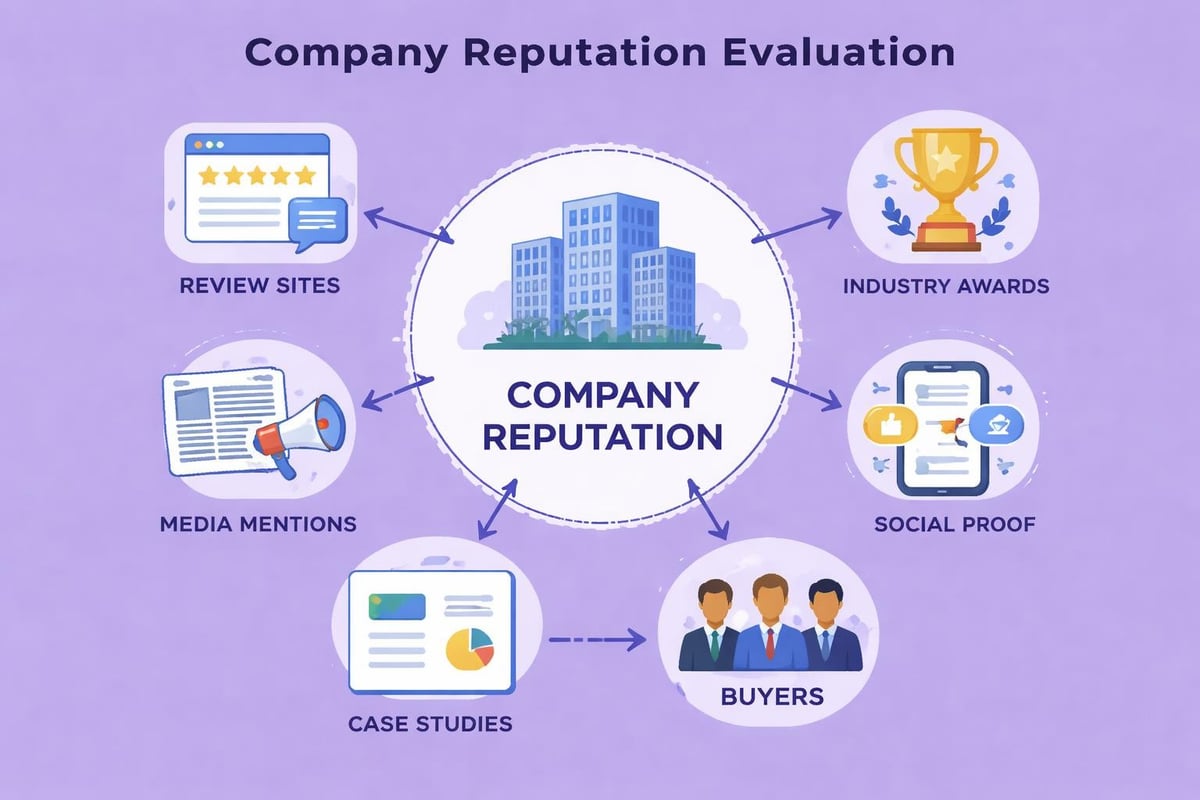
The buying landscape has fundamentally shifted. Decision-makers research vendors independently before ever engaging with sales. They read reviews, scan LinkedIn profiles, analyze case studies, and assess your digital footprint across multiple channels.
According to research on how public reputation drives business success, companies with strong reputations see higher customer receptiveness and better employee retention. In B2B contexts, this translates directly to shorter sales cycles and higher close rates.
Key impacts of strong company rep:
- Prospects respond to outreach at 3x higher rates
- Sales cycles compress by 20-40% on average
- Win rates increase significantly against competitors
- Customer acquisition costs decrease measurably
- Retention rates improve across all segments
Your company rep serves as a pre-qualification filter. When a prospect sees credible third-party validation, industry recognition, or authentic customer testimonials, they enter conversations already predisposed to trust your expertise. This foundation proves invaluable when navigating complex enterprise sales processes.
The Reputation-Revenue Connection
Revenue impact isn't abstract. When your company rep strengthens, quantifiable business metrics improve. Prospects who recognize your brand from positive coverage or peer recommendations convert at dramatically higher rates than cold contacts. Understanding what reputation truly means helps clarify why this competitive advantage matters so much in crowded markets.
Consider the difference between reaching out as an unknown vendor versus as a recognized industry player. The unknown vendor fights for attention, struggles to book meetings, and faces constant skepticism. The recognized player gets responses, secures conversations, and enters negotiations from a position of strength.
Building Company Rep Through Trigger-Based Engagement
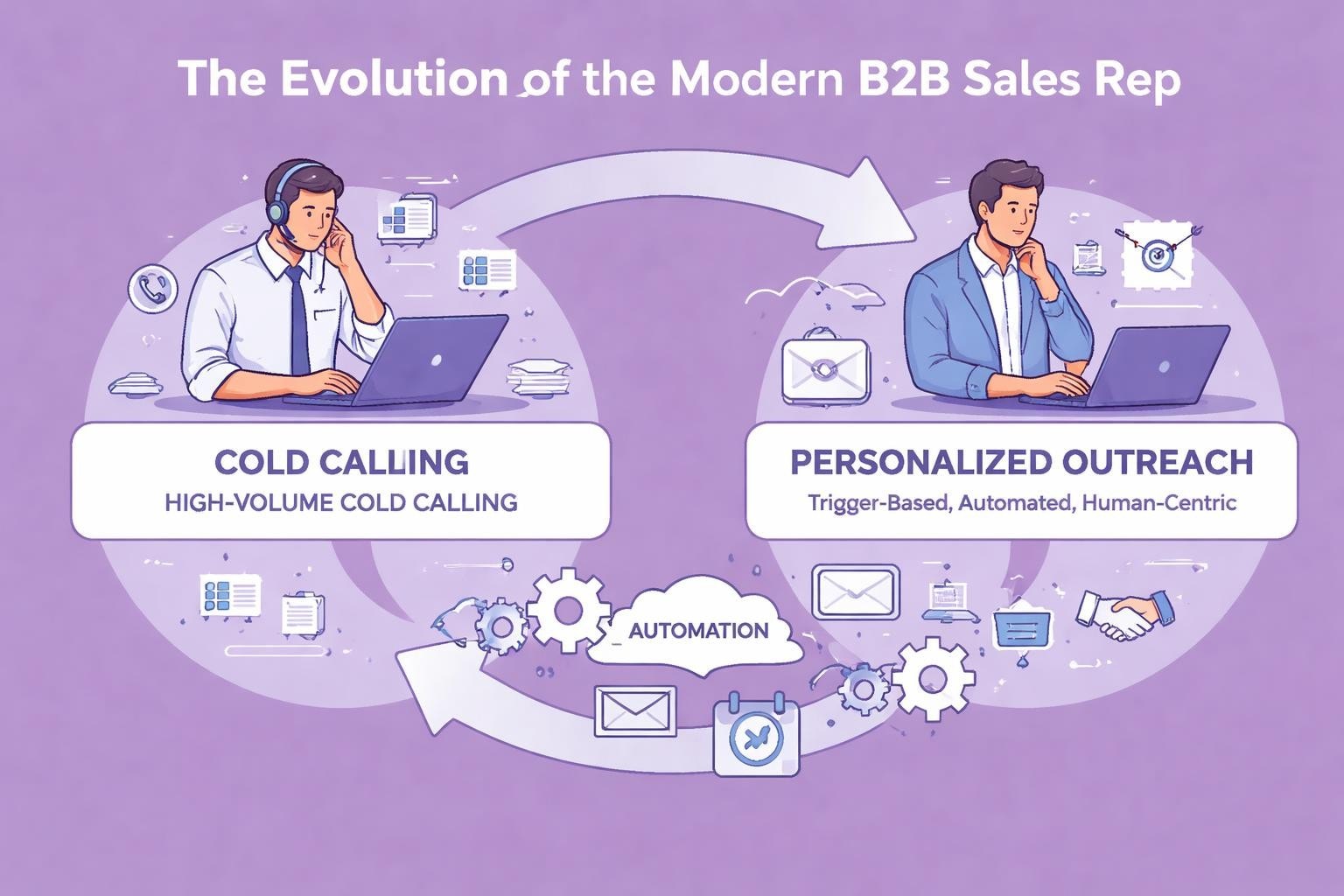
Smart companies don't wait for reputation to develop passively. They actively cultivate it through strategic, timely engagement. The spray-and-pray approach to outbound sales doesn't just fail to generate meetings; it actively damages your company rep by positioning you as just another desperate vendor.
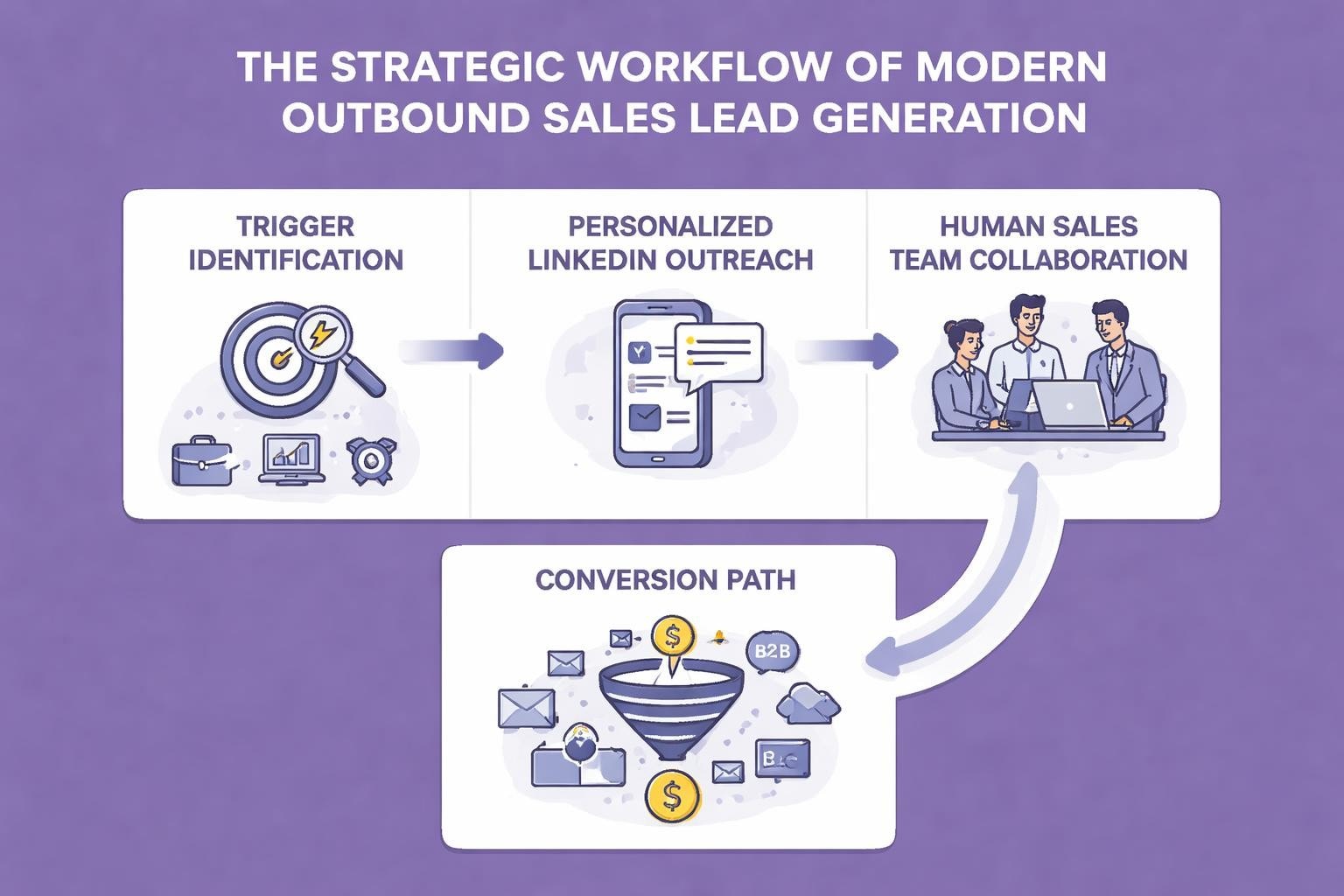
Trigger-based prospecting offers a superior alternative. By monitoring for meaningful signals like fundraising announcements, podcast appearances, executive hires, or industry publications, sales teams can reach out with relevant, timely messages that demonstrate genuine attention and expertise.
Implementing Strategic Trigger Monitoring
Effective trigger-based strategies require systematic monitoring across multiple channels. LinkedIn serves as the primary platform for most B2B triggers, but comprehensive approaches also track company announcements, news coverage, conference participation, and content publication.
| Trigger Type | Monitoring Method | Typical Response Window |
|---|---|---|
| Funding Announcement | News alerts, Crunchbase | 48-72 hours |
| Executive Hire | LinkedIn job changes | 7-14 days |
| Podcast Appearance | Show monitoring, RSS feeds | 24-48 hours |
| Conference Speaking | Event websites, social media | Pre-event to 30 days post |
| Content Publication | Google alerts, industry sites | 72 hours |
When you reach out immediately after a relevant trigger, your message demonstrates awareness and relevance. This approach enhances your company rep because prospects perceive you as attentive and informed rather than desperate and generic. Our trigger-based inbound methodology transforms how B2B companies approach outbound by focusing on quality over volume.
Maintaining Human Oversight in Automated Systems
Automation enables scale, but human judgment ensures quality. The most sophisticated companies layer AI-powered monitoring with human review to ensure every outbound touchpoint reflects positively on company rep.
Before any automated message sends, experienced sales professionals should validate:
- Trigger relevance and recency
- Message personalization accuracy
- Timing appropriateness
- Value proposition alignment
- Tone and brand consistency
This human-in-the-loop approach prevents the embarrassing mistakes that plague fully automated systems-sending outdated information, missing contextual nuances, or delivering tone-deaf messages. Each misstep damages your company rep incrementally but cumulatively.
Leveraging LinkedIn to Strengthen Your Company Rep
LinkedIn dominates B2B relationship building. How your company and team appear on this platform directly influences prospect perceptions. Strategic LinkedIn presence isn't about follower counts; it's about credible positioning and authentic engagement.
Your company page should showcase thought leadership through regular content, highlight customer successes with detailed case studies, and demonstrate expertise through team member contributions. Individual sales reps strengthen overall company rep when their profiles reflect professionalism and industry knowledge.
Essential LinkedIn reputation elements:
- Complete, professional company page with rich media
- Regular content publishing (2-3x weekly minimum)
- Team member profiles that reflect expertise
- Authentic recommendations and endorsements
- Engagement with industry conversations
- Employee advocacy and content sharing
Consider implementing proven strategies for increasing LinkedIn response rates to ensure your outreach enhances rather than diminishes your company rep. Every connection request, every message, every comment contributes to how prospects perceive your organization.
Building Executive Visibility
Executive thought leadership amplifies company rep significantly. When your CEO or founder publishes insightful analysis, speaks at industry events, or engages meaningfully with sector trends, it elevates your entire organization's perceived expertise.
This visibility shouldn't be confined to LinkedIn. Strategic executives build company rep across multiple channels:
- Guest posts on respected industry publications
- Podcast guest appearances on relevant shows
- Conference speaking engagements
- Video content addressing key challenges
- Original research and data publication
- Media commentary on industry developments
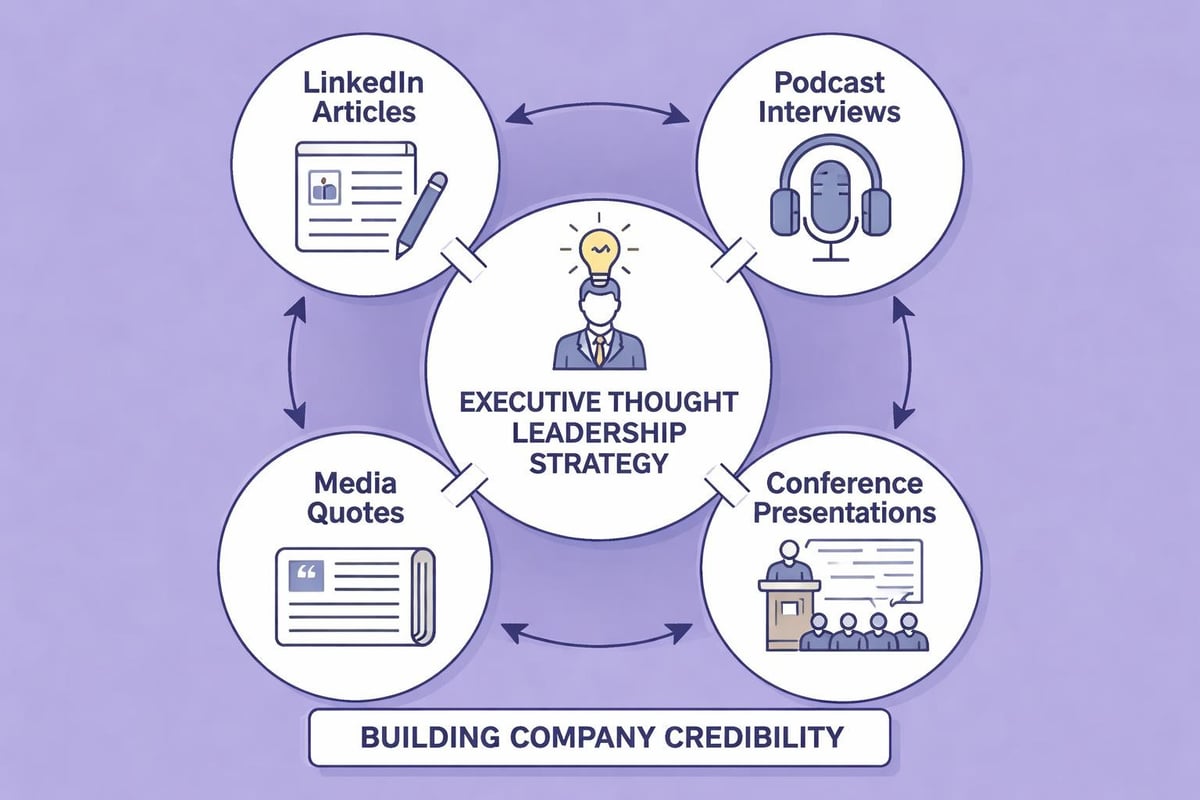
Each of these activities creates new touchpoints where prospects encounter your brand before sales outreach occurs. When your team reaches out subsequently, prospects already recognize your company and attribute expertise to your organization.
Managing Company Rep During Growth Phases
Scaling operations tests company rep management. As teams expand, maintaining consistent quality becomes more challenging. New hires may not initially embody your company's standards, messaging can drift from proven approaches, and quality control becomes harder to enforce.
Forbes outlines effective strategies for managing company reputations during periods of change, emphasizing the importance of transparency and consistent communication. These principles apply directly to B2B sales organizations navigating growth.
Establish clear standards for all customer-facing interactions:
- Message templates that balance personalization with brand consistency
- Response time expectations for all prospect communications
- Escalation protocols for complex situations
- Quality assurance processes for outbound campaigns
- Regular training on messaging and positioning
- Feedback loops from prospects and customers
Documentation proves critical during scaling. Capture what works, codify best practices, and create resources that new team members can reference. This systematic approach ensures company rep remains strong even as headcount doubles or triples.
Handling Reputation Challenges Proactively
No company maintains a perfect reputation indefinitely. Product issues arise, implementations face challenges, and customer dissatisfaction occasionally emerges. How you handle these situations determines whether they become minor blips or major crises.
Implement online reputation management strategies that emphasize transparency, rapid response, and genuine problem-solving. When negative feedback appears, acknowledge it quickly, address it substantively, and demonstrate commitment to resolution.
| Challenge Type | Response Approach | Timeline | Follow-up |
|---|---|---|---|
| Product Issue | Acknowledge, explain fix | Within 24 hours | Update when resolved |
| Service Complaint | Apologize, offer solution | Within 4 hours | Confirm satisfaction |
| Negative Review | Thank, address concerns | Within 12 hours | Request update if resolved |
| Social Media Criticism | Respond professionally | Within 2 hours | Take conversation private |
This proactive approach to reputation management demonstrates maturity and customer focus. Prospects researching your company will see how you handle difficulties, which often proves more informative than marketing materials about your strengths.
Aligning Sales and Marketing for Cohesive Company Rep
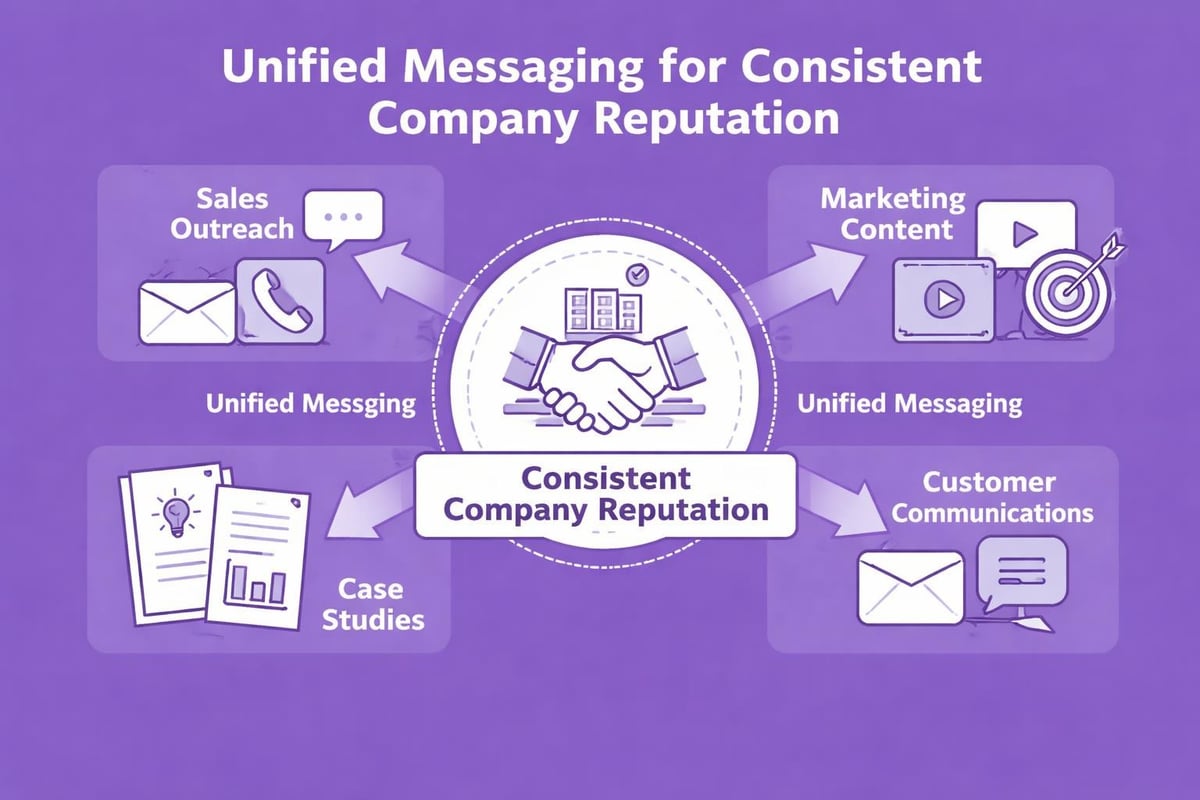
Company rep suffers when sales and marketing send conflicting messages. Marketing promises one experience while sales delivers another. Case studies highlight capabilities that sales teams can't actually explain. Positioning evolves without sales enablement.
Break down these silos through structured alignment:
Weekly sync meetings between sales and marketing leadership ensure messaging consistency. Discuss recent conversations, prospect feedback, competitive dynamics, and emerging objections. These insights should inform content strategy, campaign development, and positioning refinement.
Shared metrics create common objectives. When both teams measure contribution to pipeline, revenue, and customer acquisition costs, they naturally collaborate rather than compete. Company rep benefits when internal alignment translates to consistent external messaging.
Regular content collaboration ensures sales teams can actually use marketing materials. Sales should provide input on case study development, review product positioning, and validate that content addresses real prospect concerns. Marketing should observe sales calls to understand how conversations actually unfold.
For high-ticket B2B sales, this alignment becomes even more critical. Our experience with high-ticket sales strategies confirms that cohesive messaging from first touch through close dramatically improves win rates and deal sizes.
Measuring and Monitoring Your Company Rep
What gets measured gets managed. Yet many B2B companies rely on vague impressions rather than concrete metrics to assess company rep. Implement systematic tracking to understand how your reputation evolves and identify areas requiring attention.
Key Reputation Metrics to Track
Monitor these indicators consistently:
- Brand search volume: How many people search for your company name monthly
- Review site ratings: G2, Capterra, TrustRadius scores and sentiment
- Social media mentions: Volume, sentiment, and share of voice
- Media coverage: Quantity, quality, and messaging accuracy
- Referral rates: Percentage of new business from existing customers
- LinkedIn engagement: Post reach, comment quality, connection acceptance rates
- Website direct traffic: Visitors arriving without search or ads
- Sales cycle length: Time from first contact to close
Organizations like RepTrak have built entire methodologies around reputation measurement, demonstrating that company rep can and should be quantified rather than guessed.
Set quarterly benchmarks and track progress. If review ratings decline, investigate root causes and implement improvements. If social media sentiment shifts negatively, understand what's driving the change and address it directly. This data-driven approach to reputation management ensures you catch problems early and capitalize on strengths.
Creating Feedback Loops
Direct prospect and customer feedback provides the most actionable reputation insights. After lost deals, conduct post-mortem interviews to understand decision factors. After won deals, ask what made your company stand out. After implementations, survey customer satisfaction systematically.
These conversations reveal how your company rep actually influences buying decisions rather than how you assume it does. Perhaps prospects value your customer service responsiveness more than your technical capabilities. Maybe your thought leadership content proves more influential than you realized. Use these insights to double down on reputation drivers that actually matter.
Empowering Your Sales Team as Company Rep Ambassadors
Every sales professional represents your entire organization. Their LinkedIn profiles, email signatures, conversation quality, and follow-up consistency all contribute to overall company rep. Invest in enabling them to enhance rather than diminish your reputation.
Provide comprehensive training on:
- Your company's positioning and differentiation
- Customer success stories and use cases
- Competitive landscape and how to discuss competitors respectfully
- Your target audience's challenges and priorities
- Communication standards and brand voice
- Tools and resources available to support selling
Create ongoing enablement programs rather than one-time onboarding. Markets evolve, products change, and competitive dynamics shift. Regular training ensures your team represents your company accurately and effectively.
Recognize that personalizing outreach at scale requires both technology and training. AI tools enable efficiency, but human judgment ensures messages enhance company rep by demonstrating genuine understanding and relevance.
Building a Culture of Quality
Quality-focused cultures naturally produce stronger company reps. When teams prioritize thoughtful outreach over activity metrics, when they value response rates over message volume, and when they measure impact over outputs, company rep improves organically.
This cultural shift requires leadership commitment. Stop celebrating reps who send 200 messages daily if those messages generate zero responses and damage your brand. Instead, recognize reps who send 20 highly personalized, trigger-based messages that generate five meaningful conversations.
Implement quality control processes:
- Message review protocols before major campaigns launch
- Random sampling of outbound communications for quality assessment
- Prospect feedback collection about message relevance and timing
- Peer review sessions where team members evaluate each other's work
- Regular coaching focused on message quality and personalization
These practices ensure every touchpoint with prospects reflects the professionalism and expertise your company rep depends on. For guidance on implementing these systems, explore game-changing outbound sales strategies that prioritize quality throughout the sales process.
The Future of Company Rep in B2B Sales
Reputation dynamics continue evolving. AI-generated content floods the market, making authentic human insights more valuable. Privacy regulations restrict data access, making relationship-based selling more important. Buyers grow increasingly skeptical of marketing claims, making peer recommendations and verifiable results more influential.
Forward-thinking companies adapt by doubling down on authenticity, transparency, and demonstrated expertise. They recognize that company rep isn't built through aggressive self-promotion but through consistent delivery of value, ethical business practices, and genuine customer focus.
The companies that thrive in 2026 and beyond will be those that view every interaction as a reputation-building opportunity. They'll empower sales teams with intelligence and tools while maintaining human oversight. They'll leverage automation for efficiency without sacrificing personalization. They'll pursue growth without compromising quality.
Your company rep represents accumulated trust built through thousands of interactions, decisions, and outcomes. Protect it jealously, invest in it strategically, and recognize that it may be your most valuable competitive asset in crowded B2B markets. Every email your team sends, every LinkedIn message, every sales call, and every customer interaction either strengthens or weakens the foundation your business stands on.
Key priorities for 2026:
- Implement systematic trigger monitoring for timely, relevant outreach
- Maintain human oversight in all automated sales processes
- Align sales and marketing around consistent messaging
- Measure reputation metrics as rigorously as revenue metrics
- Empower sales teams to represent your company professionally
- Prioritize response quality over outreach quantity
- Build executive thought leadership across multiple channels
- Create feedback loops that surface reputation insights
Understanding effective reputation management approaches helps B2B companies navigate the complexities of building and maintaining trust at scale. These principles apply whether you're a startup establishing initial credibility or an enterprise protecting decades of accumulated reputation.
Your company rep determines whether prospects engage with your outreach, trust your expertise, and ultimately choose your solution over competitors. By implementing trigger-based prospecting, maintaining human oversight, and prioritizing quality over volume, you build the trust that drives B2B success. Samplead helps high-ACV B2B companies automate trigger-based outbound while keeping humans in the loop, ensuring every touchpoint enhances rather than damages your reputation. We empower your sales team with timely, relevant intelligence that makes outreach impactful without resorting to spray-and-pray tactics that erode trust.