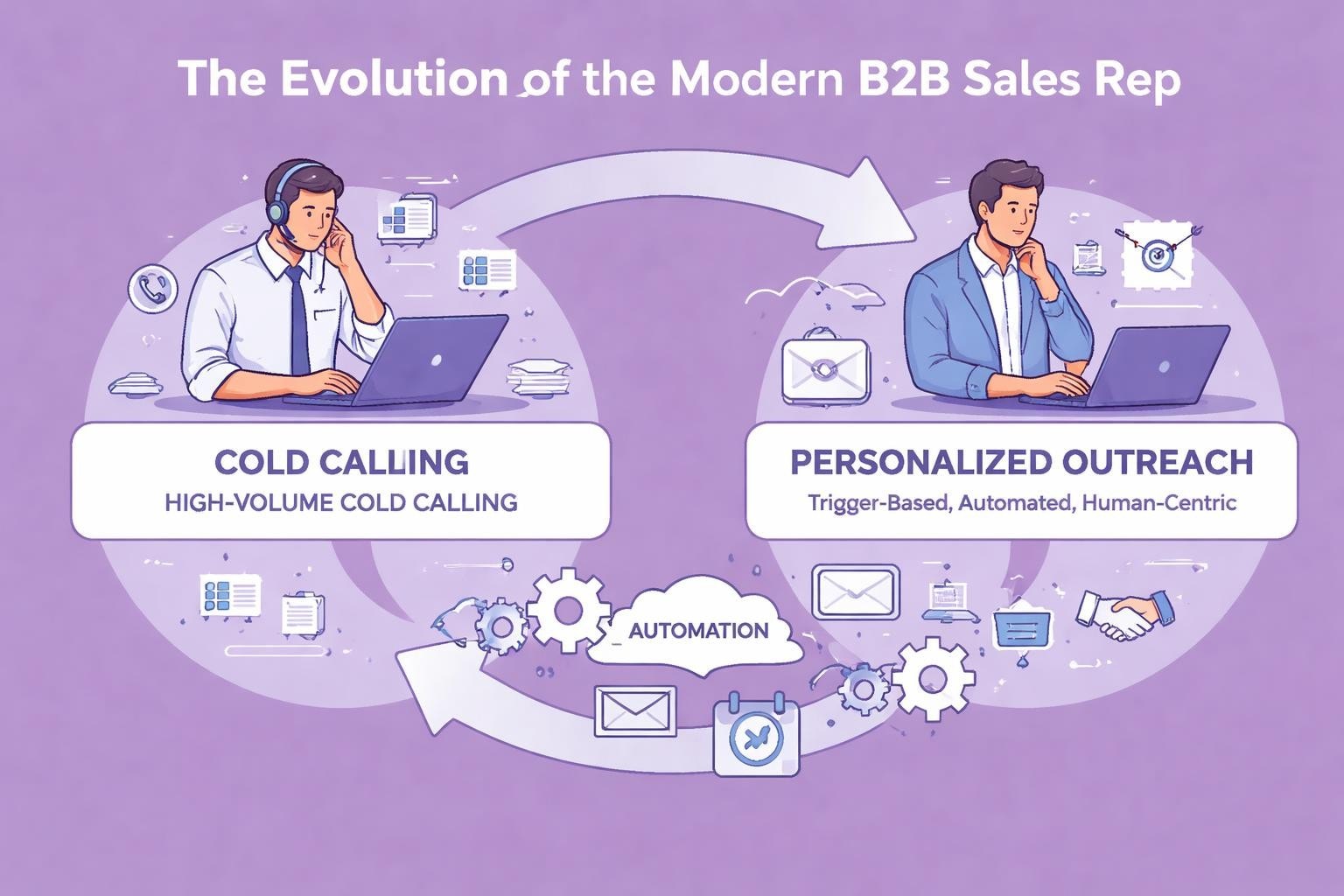
The landscape of outbound sales leads has evolved dramatically in 2026, moving away from the spray-and-pray tactics that once dominated the field. For high-ACV B2B businesses, the distinction between quantity and quality has never been more critical. Modern sales teams recognize that generating outbound sales leads requires precision, timing, and a human-centric approach that leverages automation without sacrificing personalization. This shift represents a fundamental rethinking of how businesses approach prospecting, particularly in an era saturated with AI SDR tools that promise to replace human sales teams entirely.
Understanding Modern Outbound Sales Leads
Outbound sales leads represent prospects your team proactively contacts rather than those who discover your business organically. Unlike inbound leads, these contacts require strategic identification, careful timing, and personalized messaging to convert effectively.
The distinction matters significantly for B2B sales cycles. Research shows that only 29% of people want to talk to a salesperson when first learning about a product, making the quality of your initial outreach paramount. Your approach must demonstrate immediate value and relevance to overcome natural resistance.
The Trigger-Based Revolution
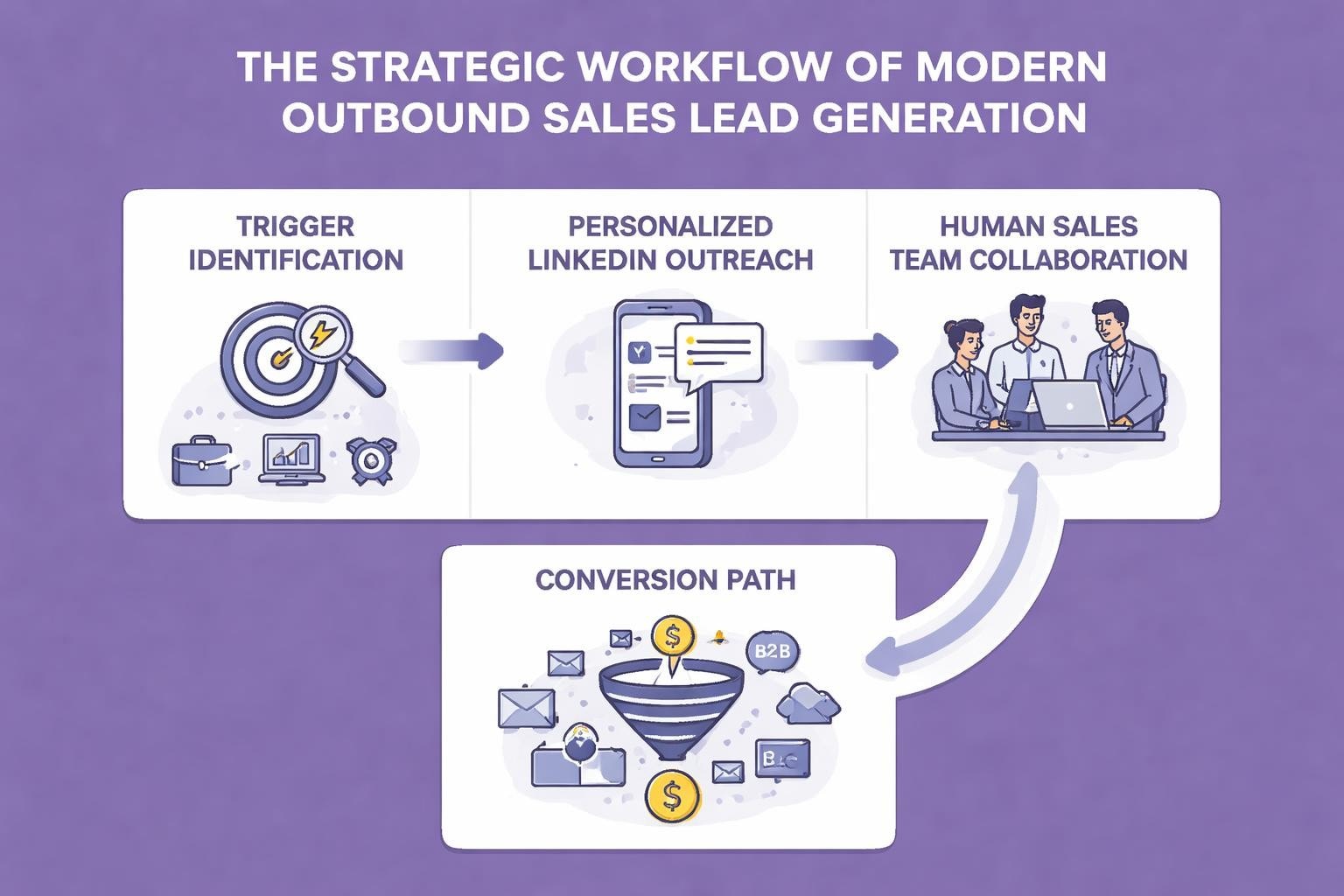
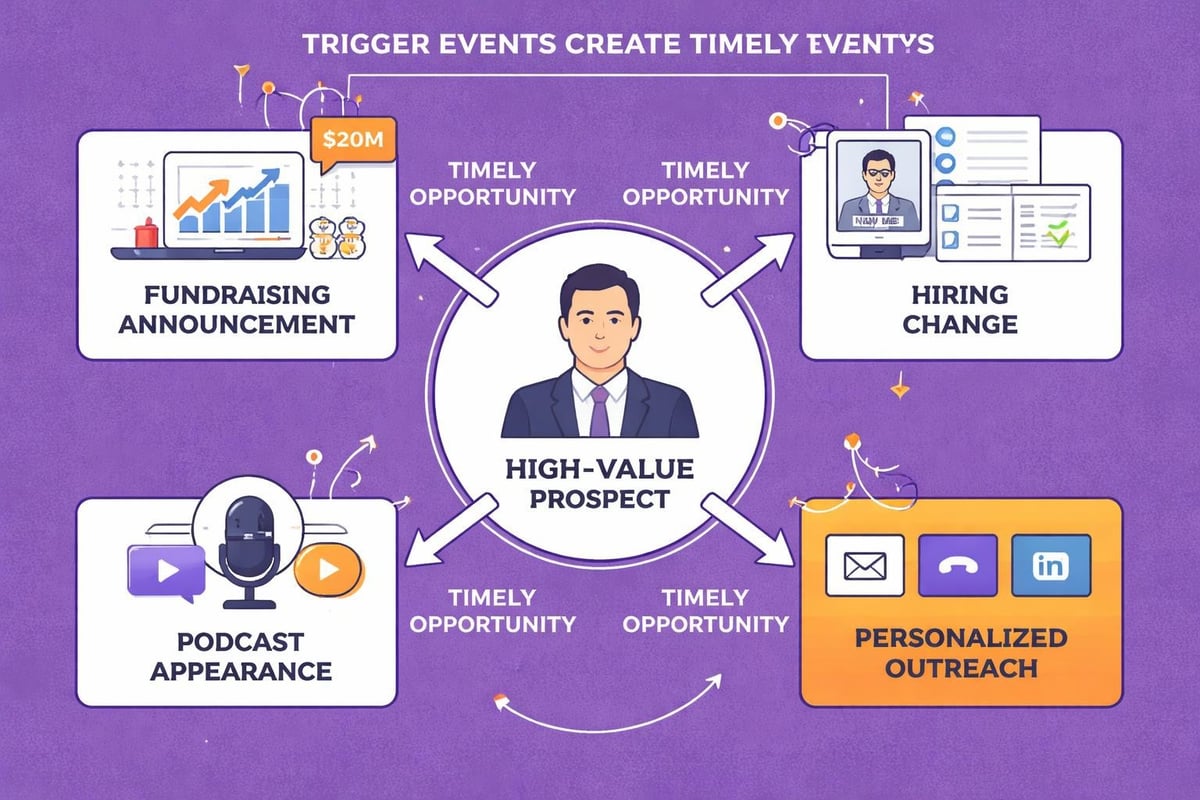
Traditional outbound relied on demographic data and firmographic filters to build prospect lists. Modern strategies recognize that timing matters as much as targeting. Trigger-based prospecting identifies specific events that signal buying intent or openness to conversation:
- Fundraising announcements indicating budget availability and growth initiatives
- Executive hiring suggesting new strategic directions or pain points
- Podcast appearances revealing priorities and thought leadership focus
- Company publications demonstrating current challenges and interests
- Conference attendance showing active engagement in industry trends
These signals transform cold outreach into timely conversations. When you contact a prospect immediately after a relevant trigger, your message becomes contextual rather than interruptive. This fundamental shift in outbound lead generation strategy separates high-performing teams from those struggling with declining response rates.
Building Your Outbound Sales Leads Pipeline
Creating a sustainable pipeline requires systematic processes that balance automation with human judgment. The goal isn't maximum volume but optimal quality aligned with your ideal customer profile.
Defining Your Ideal Customer Profile
Precision starts with clarity about who you serve best. Your ideal customer profile should specify:
| Characteristic | Why It Matters | Example Criteria |
|---|---|---|
| Company size | Resources and decision-making complexity | 100-500 employees for mid-market focus |
| Revenue range | Budget availability and deal size potential | $10M-$100M annual revenue |
| Industry vertical | Specific pain points and use cases | SaaS, financial services, healthcare tech |
| Technology stack | Integration requirements and sophistication | Uses Salesforce, HubSpot, or similar CRM |
| Growth stage | Urgency and investment appetite | Series B-C funding or scaling rapidly |
Avoiding common mistakes when defining your ideal customer profile prevents wasted effort on prospects unlikely to convert. The narrower your focus, the more personalized your messaging can become.
Identifying High-Quality Prospects
Quality outbound sales leads share specific characteristics that predict conversion likelihood. Look beyond basic demographics to behavioral signals.
LinkedIn provides exceptional intelligence for B2B prospecting. Profile activity, content engagement, and network connections reveal buying committee members and influence patterns. When someone actively posts about challenges your solution addresses, they become a prime candidate.
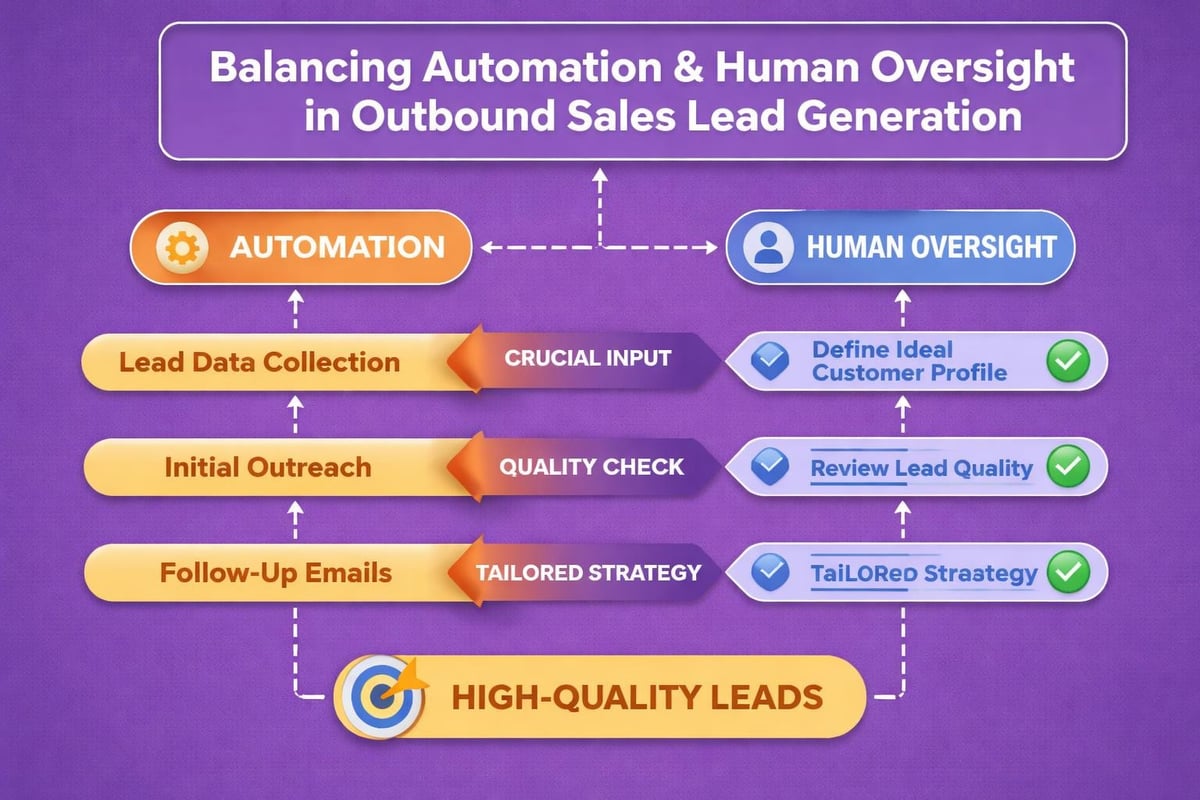
Automation tools can monitor thousands of prospects for trigger events, but human judgment determines which triggers merit immediate action. A podcast appearance discussing specific pain points warrants different messaging than a generic conference attendance announcement.
Crafting Outreach That Converts
The message matters as much as the prospect selection. Generic templates destroy conversion rates, while hyper-personalization at scale remains the competitive advantage for game-changing outbound sales strategies.
The Personalization-Scale Balance
Effective outbound sales leads generation requires personalization that acknowledges specific trigger events without sacrificing efficiency. Your message should reference the exact trigger that prompted your outreach:
- Recent funding: "Congratulations on your Series B. As you scale your sales team, have you considered how trigger-based prospecting could improve your SDR efficiency?"
- New hire: "I noticed you brought Sarah on as VP of Sales. Given her background in enterprise SaaS, I imagine you're prioritizing high-ACV deals."
- Podcast appearance: "Your comments on the Revenue Leaders podcast about sales team productivity resonated. We've helped similar companies reduce prospecting time by 60%."
This approach demonstrates research and genuine interest while maintaining message consistency. The art of personalizing outreach at scale with AI involves identifying personalization vectors that matter to prospects without creating unsustainable manual work.
Multi-Touch Sequences
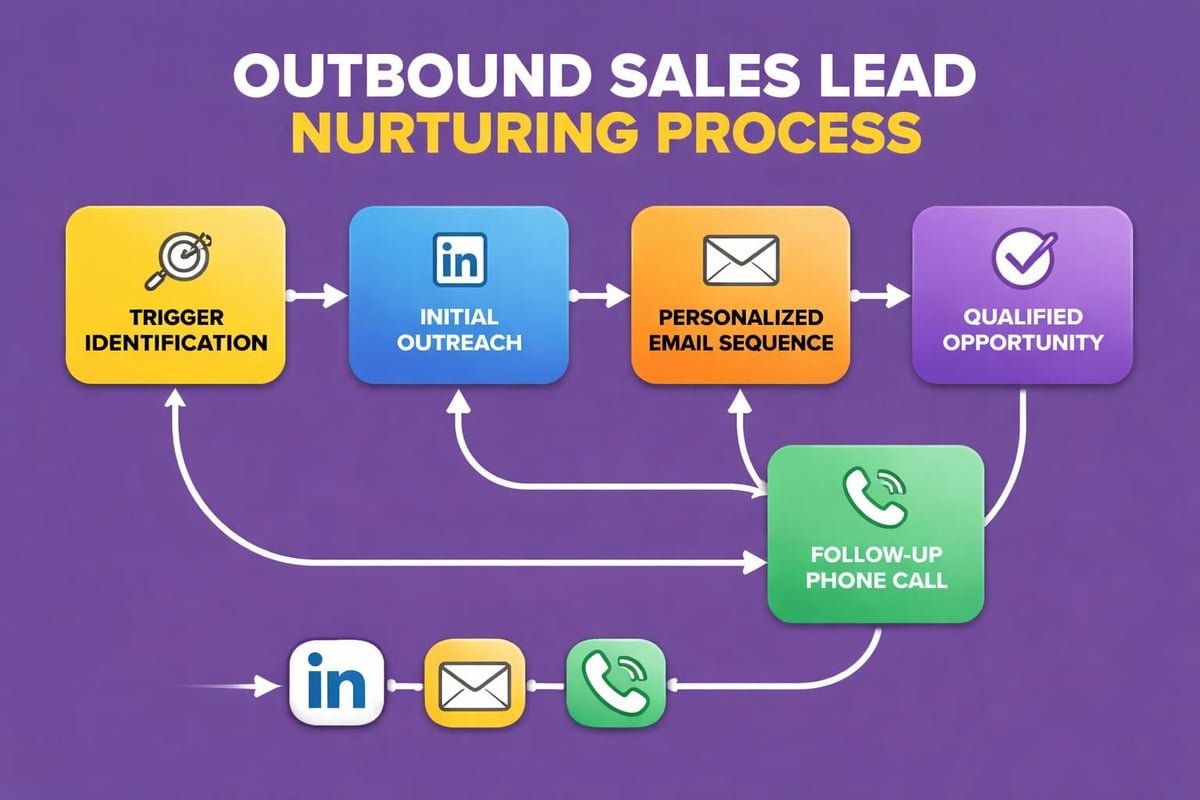
Single-touch outreach rarely converts high-value prospects. Effective sequences typically span 5-8 touchpoints across multiple channels over 2-3 weeks.
Sequence structure for trigger-based outreach:
- Initial LinkedIn connection request with trigger reference
- Follow-up message 3 days later providing specific value
- Email outreach with case study relevant to their trigger event
- LinkedIn comment on their recent content
- Video message addressing their specific situation
- Phone call or InMail with clear value proposition
- Final breakup email offering future connection
Each touchpoint should add value rather than simply requesting meetings. Share insights, relevant content, or introduce connections that benefit them regardless of whether they become customers.
Leveraging Technology Without Losing the Human Touch
The market overflows with AI SDR solutions promising to fully automate outbound sales leads generation. The reality proves more nuanced. Technology excels at monitoring triggers, managing sequences, and scaling research, but human judgment remains irreplaceable for high-ACV deals.
Strategic Automation Points
Automate tasks that don't require human creativity or relationship skills:
- Trigger monitoring across thousands of prospects and data sources
- Lead scoring based on firmographic fit and behavioral signals
- Sequence enrollment when specific triggers occur
- Follow-up scheduling maintaining consistent cadence
- Data enrichment gathering context about prospects and companies
Keep humans engaged for activities requiring judgment, empathy, and strategic thinking. Your sales team should craft messaging, evaluate response quality, determine next steps, and build genuine relationships.
The AI SDR Debate
Many platforms claim their AI can replace SDRs entirely. This approach fundamentally misunderstands the nature of high-ticket sales relationships. Buyers at the enterprise level expect human interaction, nuanced understanding of their challenges, and consultative guidance.
The optimal model empowers rather than replaces sales teams. Automation handles repetitive monitoring and administrative work, freeing SDRs to focus on research, personalization, and conversation quality. This hybrid approach delivers better results than either fully manual or fully automated alternatives.
Measuring Outbound Sales Leads Success
Effective measurement extends beyond vanity metrics to indicators that predict revenue outcomes. Your dashboard should track both leading and lagging indicators of pipeline health.
Key Performance Indicators
| Metric Category | Specific Metrics | Target Benchmarks |
|---|---|---|
| Outreach volume | Messages sent per rep per day | 30-50 for quality-focused |
| Response rates | Positive reply percentage | 15-25% for trigger-based |
| Meeting conversion | Response-to-meeting ratio | 30-40% of positive responses |
| Pipeline contribution | Outbound-sourced opportunities | 40-60% of total pipeline |
| Deal velocity | Days from first touch to close | Track trend improvement |
Understanding sales statistics helps contextualize your performance against industry benchmarks. However, optimize for your specific market and deal complexity rather than chasing generic targets.
Quality Over Quantity Metrics
Volume metrics matter less than quality indicators for high-ACV outbound sales leads. Track conversation depth, stakeholder engagement, and qualification accuracy rather than simply counting connections or messages sent.
Advanced quality metrics include:
- Number of multi-threaded conversations (engaging 3+ stakeholders)
- Percentage of opportunities advancing to technical evaluation
- Average deal size from outbound versus inbound sources
- Sales cycle length comparison between lead sources
- Win rate by trigger type and prospect segment
These metrics reveal whether your outbound motion generates genuinely qualified pipeline or simply inflates top-of-funnel numbers that waste sales time.
Overcoming Common Outbound Challenges
Even sophisticated outbound sales leads programs encounter predictable obstacles. Recognizing and addressing these challenges separates high performers from struggling teams.
Declining Response Rates
LinkedIn and email channels face increasing saturation. Prospects receive dozens of outreach messages daily, creating higher bars for attention and engagement. Proven strategies for increasing response rates focus on differentiation through timing, personalization, and value delivery.
Combat inbox fatigue through:
- Trigger-based timing that makes messages relevant to current context
- Deep personalization referencing specific recent activities
- Leading with insights rather than sales pitches
- Video messages that demonstrate genuine research and effort
- Unexpected channels like handwritten notes or thoughtful LinkedIn comments
The goal isn't tricking prospects into responding but genuinely offering value at moments when they're receptive.
Maintaining Personalization at Scale
As your program grows, maintaining message quality becomes challenging. Templates creep in, personalization becomes superficial, and conversion rates decline.
Sustainable scaling requires systems that preserve quality while increasing volume. Define personalization frameworks rather than word-for-word scripts. Train your team on personalization research processes, not just messaging templates. Use automation for data gathering while keeping humans responsible for creative application.
Advanced Strategies for 2026
Leading organizations push beyond basic outbound tactics into sophisticated approaches that create unfair advantages in crowded markets.
Account-Based Outbound
For enterprise targets, individual lead generation gives way to coordinated account strategies. Identify multiple stakeholders within target accounts and orchestrate personalized outreach across the buying committee.
Account-based approaches involve:
- Mapping organizational structure and decision-making processes
- Identifying champions, influencers, and decision-makers
- Developing account-specific value narratives
- Coordinating multi-threaded outreach sequences
- Aligning marketing and sales touchpoints
This strategy transforms outbound sales leads generation from individual prospecting into strategic account penetration. The investment proves worthwhile for deals exceeding six figures.
Content-Driven Outbound
Rather than cold outreach, sophisticated teams use content to warm prospects before initiating sales conversations. Publish insights addressing specific triggers and pain points, then use that content to start relevant conversations.
When prospects engage with your content about scaling sales teams post-funding, they signal interest in solutions you provide. Your outreach references their engagement and offers to continue the conversation, creating natural transition from content consumer to qualified lead.
Channel Selection and Optimization
Different channels serve different purposes in outbound sales leads development. Understanding when and how to deploy each maximizes efficiency and results.
LinkedIn as Primary Channel
For B2B outbound, LinkedIn provides unmatched targeting precision and professional context. The platform enables research, connection building, and direct messaging within a single environment.
Effective outbound sales strategies on LinkedIn emphasize relationship building over transactional outreach. Comment thoughtfully on prospect content, share relevant insights, and establish presence before requesting meetings.
LinkedIn optimization tactics:
- Profile optimization demonstrating expertise and credibility
- Regular content publishing establishing thought leadership
- Strategic connection requests with personalized notes
- Engagement before outreach to build familiarity
- Voice notes and video messages for differentiation
The platform's professional context makes sales conversations feel natural rather than intrusive when executed properly.
Email for Detailed Communication
Email enables longer-form communication unsuitable for LinkedIn messages. Use email to share case studies, detailed insights, or multi-stakeholder introductions after establishing initial contact through LinkedIn.
Effective email outreach maintains the trigger-based timing and personalization standards established on other channels. Subject lines reference specific triggers, messages acknowledge context, and calls-to-action align with prospect readiness.
Phone and Video for High-Value Prospects
Despite digital preference, phone conversations accelerate relationship building for qualified prospects. Once you've established context through messaging, requesting a brief call demonstrates confidence and creates opportunity for real-time dialogue.
Video messages provide middle ground between text and live conversation. Recording personalized videos referencing specific triggers and offering tailored insights demonstrates exceptional effort while respecting prospect time.
Team Structure and Enablement
Converting outbound sales leads requires more than strategy and technology. Your team structure, training, and enablement determine execution quality.
SDR Specialization
Top-performing organizations separate outbound SDRs from inbound teams, recognizing the distinct skill sets required. Outbound specialists develop deep expertise in research, personalization, and persistence necessary for proactive prospecting.
Critical SDR capabilities include:
- Research efficiency identifying relevant triggers quickly
- Creative personalization connecting solutions to specific situations
- Conversation initiation starting dialogues rather than pitching
- Objection handling addressing hesitation with empathy
- Persistence maintaining professional follow-up without pestering
Building effective outbound sales teams requires hiring for these competencies and providing ongoing skill development.
Continuous Learning and Improvement
Outbound effectiveness improves through systematic learning from wins and losses. Implement regular message testing, conversion analysis, and strategy refinement based on real results.
Review calls and messages collectively, identifying patterns in successful approaches and common objections. Share wins across the team with specific tactics that drove results. Create feedback loops where sales leadership informs SDR strategy based on opportunity quality and conversion rates.
Integration With Broader Revenue Strategy
Outbound sales leads generation doesn't exist in isolation. Integration with marketing, customer success, and product strategy amplifies results and ensures consistency.
Marketing and Sales Alignment
Marketing creates air cover making outbound conversations easier. When prospects encounter your brand through content, events, or advertising before SDR outreach, familiarity increases receptiveness.
Coordinate messaging between marketing campaigns and outbound sequences. When marketing launches thought leadership around specific pain points, arm SDRs with related talking points and content to share. Create feedback loops where outbound learnings inform content strategy and positioning.
Data and Systems Integration
Scattered data across disconnected systems undermines outbound effectiveness. Centralize prospect information, interaction history, and trigger tracking in unified systems accessible to everyone touching the revenue process.
Integration enables sophisticated orchestration. When a prospect attends a webinar, downloads content, and visits pricing pages, your system should trigger personalized outreach acknowledging their research journey. This coordination transforms disjointed touchpoints into coherent buyer experiences.
Generating high-quality outbound sales leads in 2026 demands strategic sophistication that balances automation efficiency with human judgment and creativity. The winning approach identifies meaningful trigger events, crafts personalized messaging that demonstrates genuine understanding, and maintains the human relationships essential for complex B2B sales. Samplead empowers high-ACV B2B sales teams with trigger-based prospecting automation that keeps humans in control, enabling your SDRs to focus on relationship building and strategic thinking while technology handles monitoring and coordination. Our platform delivers timely, relevant outreach opportunities without the spray-and-pray tactics that erode trust and waste resources.