The head of a company carries the weight of strategic vision, operational execution, and organizational culture on their shoulders. In high-value B2B environments where sales cycles stretch months and average contract values measure in six or seven figures, the leadership decisions made at the top cascade throughout the entire organization. Every strategic pivot, cultural investment, and resource allocation decision directly impacts revenue generation, customer retention, and competitive positioning. Understanding the multifaceted nature of this role becomes essential for anyone aspiring to executive leadership or seeking to maximize their current impact as a company head.
Strategic Vision and Market Positioning
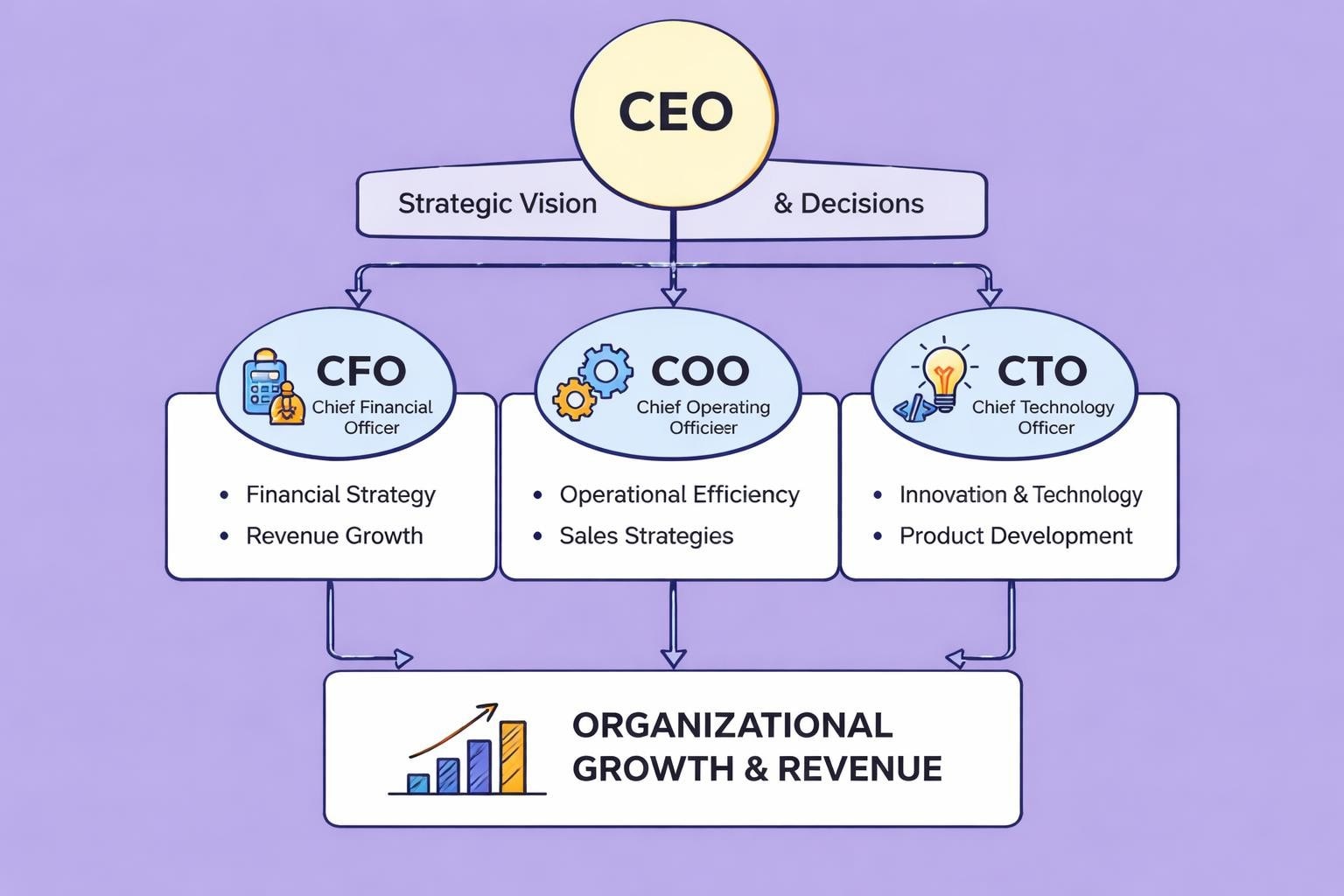
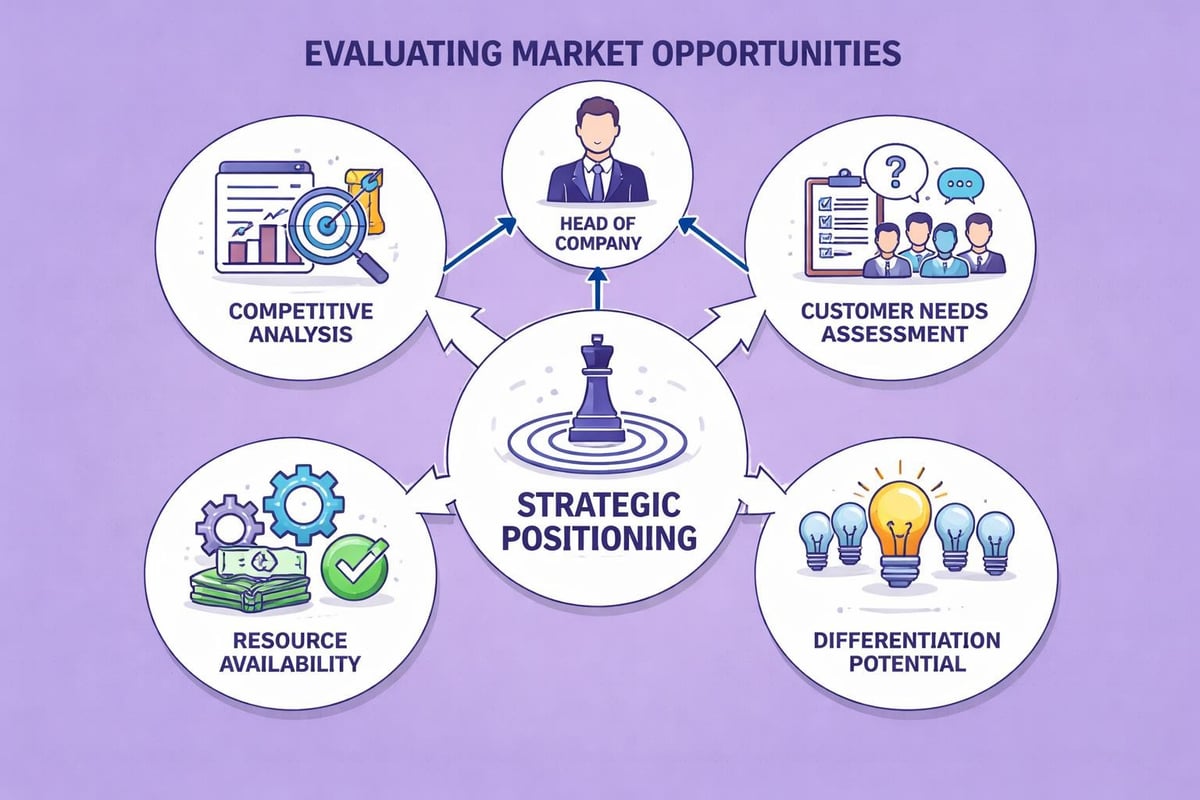
The head of a company must establish a clear strategic direction that differentiates the organization in crowded markets. In 2026, this challenge has intensified as technology evolves rapidly and customer expectations shift constantly. The role of a CEO includes setting strategic goals that align with market opportunities while remaining adaptable to emerging trends.
Strategic positioning requires:
- Deep market analysis to identify underserved segments
- Competitive differentiation based on authentic value propositions
- Long-term vision balanced with quarterly execution
- Resource allocation aligned with highest-impact initiatives
For B2B companies selling high-ticket solutions, the head of a company must resist the temptation to chase every opportunity. Quality over quantity becomes the operational philosophy. When your average contract value justifies significant customer acquisition costs, strategic focus on ideal customer profiles delivers exponentially better returns than broad market approaches.
Decision-Making Under Uncertainty
The head of a company faces decisions with incomplete information daily. According to research on CEO challenges in 2024, implementing a systems perspective while accelerating trust becomes critical for navigating complexity. This means understanding how decisions in one area ripple throughout the organization.
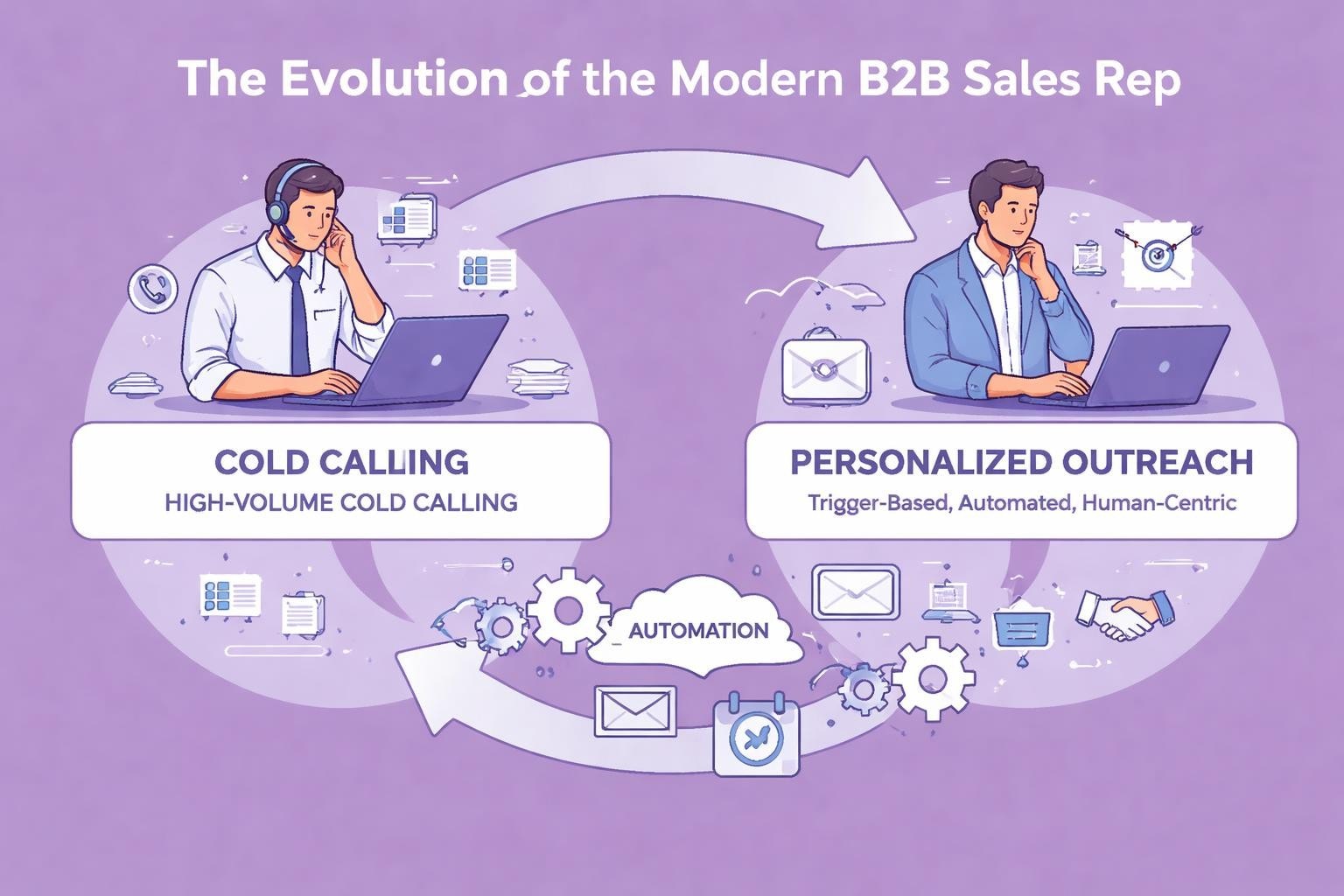
Consider the decision to automate portions of the sales process. A company head must weigh efficiency gains against potential quality degradation. In markets where relationships drive deals, maintaining human judgment at critical touchpoints often proves more valuable than complete automation. The best executives recognize that technology should empower teams rather than replace human expertise.
| Decision Factor | High-Touch Approach | Automation-First Approach |
|---|---|---|
| Cost per lead | Higher initially | Lower at scale |
| Conversion rate | 3-5x higher on qualified leads | Lower but higher volume |
| Sales cycle | Maintains or shortens | Can extend due to generic messaging |
| Customer lifetime value | Significantly higher | Variable based on fit |
Revenue Responsibility and Growth Management
The head of a company ultimately owns revenue outcomes. This responsibility extends beyond simply setting targets. It encompasses building revenue-generating systems, developing talent, and creating sustainable growth engines. CEO responsibilities include overseeing operations that directly impact the company's ability to attract, convert, and retain customers.
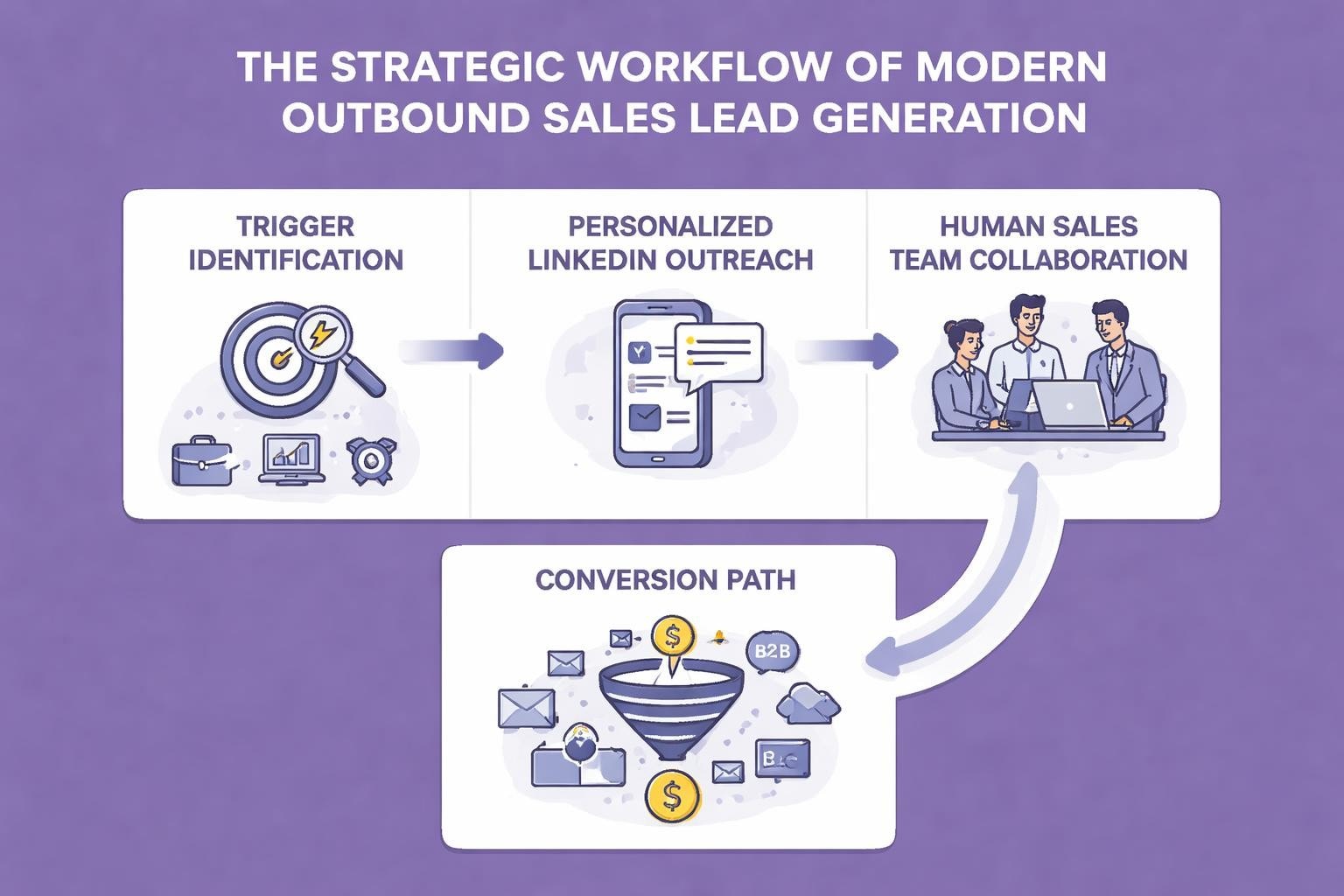
Revenue leadership in high-ACV B2B environments requires particular nuance. Unlike transactional businesses where volume drives results, complex sales demand precision. The head of a company must architect approaches that identify the right prospects at the right moments. Trigger-based prospecting exemplifies this philosophy-waiting for meaningful signals like funding announcements or leadership changes before initiating outreach.
Building Revenue Systems That Scale
A company head cannot personally close every deal. The transition from founder-led sales to systematic revenue generation represents one of the most critical phases in company evolution. Effective leaders build frameworks that replicate successful patterns while preserving the judgment that distinguishes quality outreach from spam.
Systematic revenue generation requires:
- Clear ideal customer profile documentation that sales teams can reference and refine
- Trigger identification systems that surface timely opportunities
- Personalization frameworks that balance efficiency with relevance
- Quality metrics that measure conversion and relationship quality, not just activity volume
- Continuous feedback loops between sales, marketing, and product teams
Companies using trigger-based prospecting approaches report higher response rates and shorter sales cycles because outreach arrives when prospects genuinely need solutions. The head of a company establishes this philosophy and ensures execution aligns with stated values.
Culture Development and Team Empowerment
The head of a company shapes organizational culture through thousands of micro-decisions and visible priorities. Culture determines whether teams default to quality or quantity, innovation or safety, collaboration or competition. In high-performance B2B environments, culture directly impacts customer outcomes and employee retention.
Common leadership mistakes that CEOs make often center on neglecting culture during growth phases. As headcount increases and layers emerge, the values and behaviors that drove early success can dilute unless actively reinforced.
Culture manifests in how teams approach challenges. When sales development representatives face pressure to hit activity metrics, do they send generic messages to maximize volume or craft thoughtful outreach to specific prospects? The head of a company establishes expectations through what gets measured, celebrated, and rewarded.
Empowerment Versus Control
Modern company heads face a fundamental tension: How much to standardize versus how much autonomy to grant. Over-standardization creates robotic execution that fails to adapt to individual prospect contexts. Too much autonomy generates inconsistency that undermines brand positioning.
The answer lies in empowering teams within clear frameworks. Provide guiding principles, proven templates, and quality standards while encouraging personalization and judgment. When sales teams understand the "why" behind approaches like personalizing outreach at scale, they make better decisions than any rigid script could prescribe.
Stakeholder Management and Communication
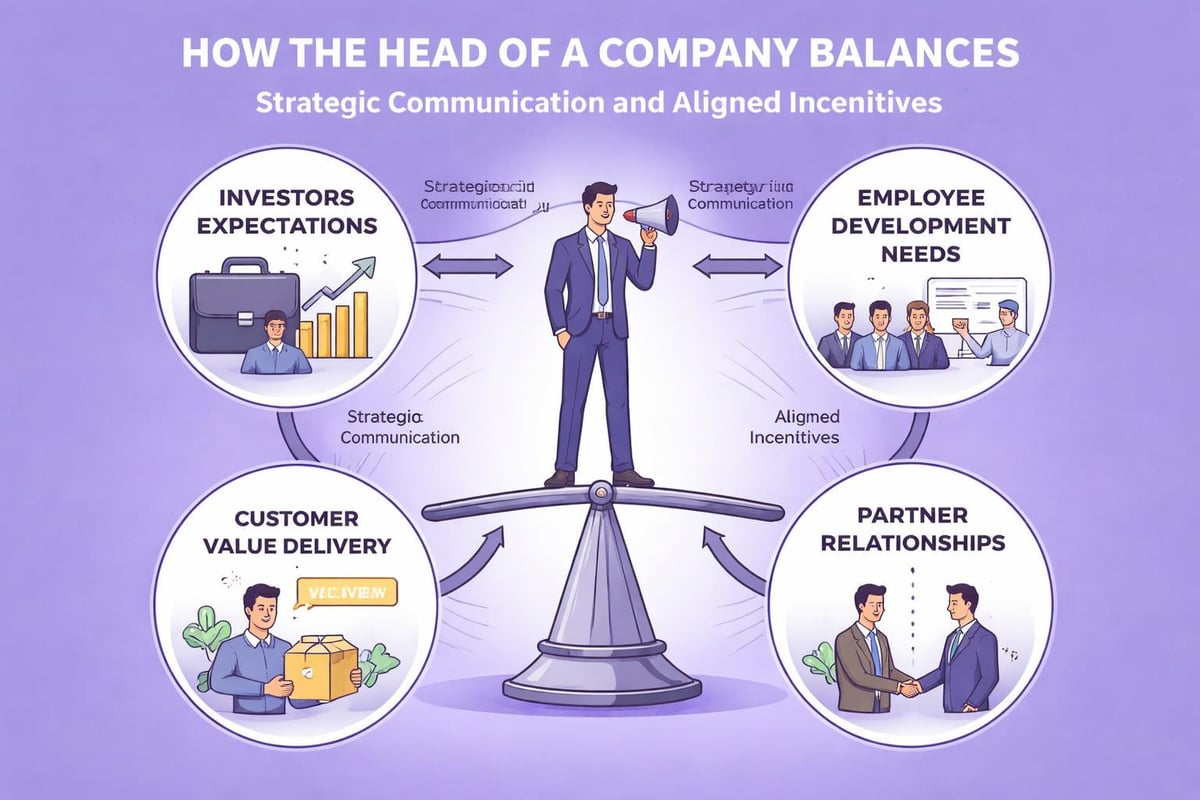
The head of a company juggles competing stakeholder interests daily. Investors push for growth, employees need stability and development opportunities, customers demand value and attention, and partners require mutually beneficial relationships. Essential CEO responsibilities include engaging and managing stakeholders across this complex landscape.
Effective stakeholder management begins with transparent communication. Each group needs different information at different frequencies, but all benefit from honesty about challenges and realistic timelines. The company head who overpromises to investors, customers, or employees ultimately destroys trust that takes years to rebuild.
Stakeholder communication strategies:
- Board meetings focused on strategic decisions requiring input, not just updates
- Customer advisory boards that inform product direction
- All-hands meetings that connect daily work to company mission
- One-on-one sessions with direct reports emphasizing development
- Partner check-ins ensuring alignment on mutual goals
Managing Investor Relationships in B2B Contexts
High-ACV B2B companies often operate with longer sales cycles and chunkier revenue recognition patterns. The head of a company must educate investors on these dynamics while demonstrating progress through leading indicators. Pipeline quality, average deal size trends, and customer retention rates often signal future performance better than monthly revenue fluctuations.
Investors increasingly value sustainable, efficient growth over growth at any cost. Company heads who demonstrate disciplined customer acquisition economics and strong unit economics position their organizations for better valuations and more favorable funding terms. This means making cases for quality-focused strategies like trigger-based outreach even when competitors chase higher activity volumes.
Operational Excellence and Resource Allocation
The head of a company determines how limited resources get deployed across competing priorities. Every dollar spent on one initiative represents opportunity cost elsewhere. Every hour teams invest in building one capability reduces capacity for alternatives. Key roles and responsibilities of a CEO in 2026 emphasize managing resources effectively to maximize organizational impact.
Resource allocation decisions reveal true priorities regardless of stated values. A company head who claims to prioritize customer success but allocates minimal budget to support teams sends clear signals about actual priorities. Teams notice these disconnects and adjust their behavior accordingly.
| Resource Type | Strategic Investment | Tactical Investment |
|---|---|---|
| Technology | Tools that enable better decision-making | Tools that automate simple tasks |
| People | Hiring for critical capability gaps | Backfilling existing roles |
| Time | Deep work on highest-leverage problems | Reactive response to urgent requests |
| Capital | Initiatives with compounding returns | Short-term revenue opportunities |
Building Versus Buying Capabilities
The head of a company constantly evaluates build versus buy decisions. Should we develop this capability in-house or partner with specialists? For core competencies that differentiate your offering, building makes sense. For supporting functions where others have established expertise, buying often accelerates progress.
Consider outbound sales automation. Many companies attempt to build comprehensive systems internally, dedicating engineering resources to problems that specialized providers have already solved. The head of a company must recognize when partnering allows the organization to focus on actual differentiators. When outbound sales strategies become more sophisticated, leveraging proven platforms often delivers better results than reinventing wheels.
Market Adaptation and Continuous Learning
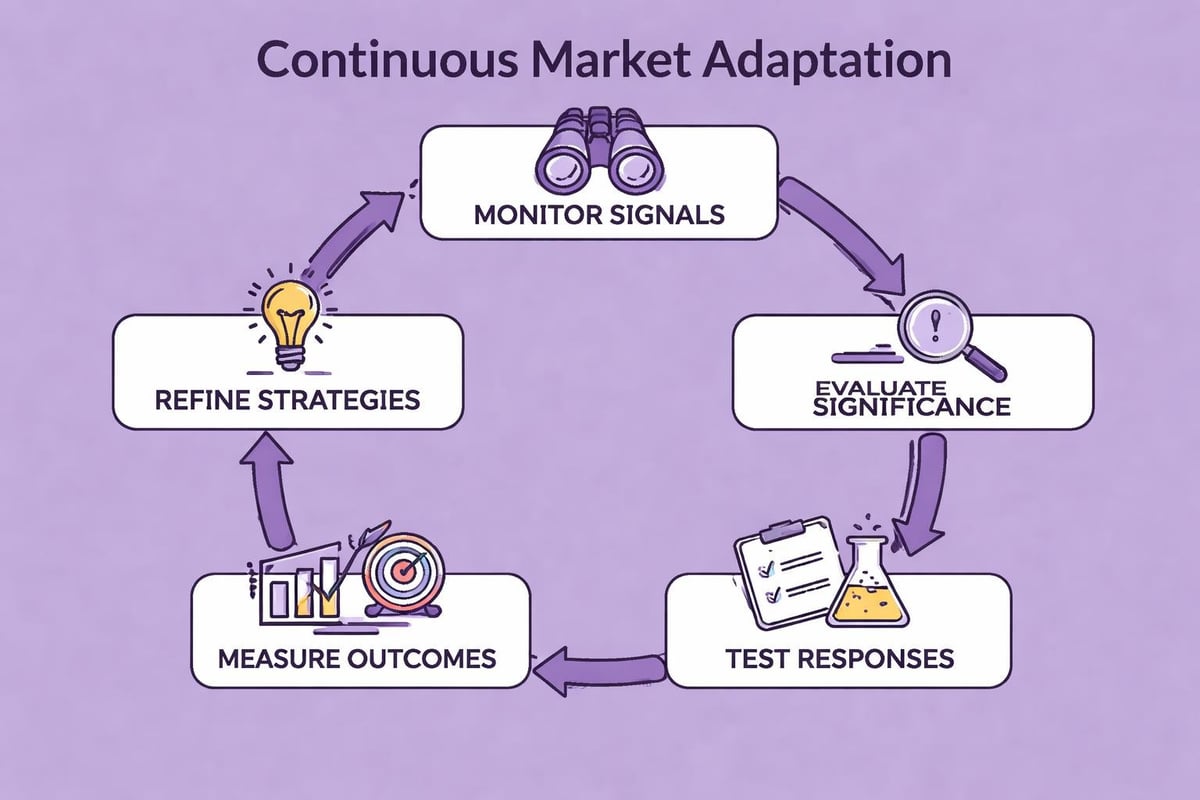
The head of a company operates in constantly shifting environments. Competitive landscapes evolve, customer needs change, technology capabilities expand, and regulatory requirements emerge. Static strategies guarantee obsolescence. According to comprehensive overviews of CEO duties, strategic planning must include mechanisms for continuous adaptation.
Effective company heads create learning systems within their organizations. They establish feedback channels from customers, competitive intelligence processes, and forums for challenging assumptions. They model intellectual humility by acknowledging when approaches aren't working and pivoting based on evidence.
Learning system components:
- Regular customer interviews beyond sales conversations
- Win/loss analysis examining why deals close or stall
- Competitive monitoring tracking market positioning shifts
- Industry participation through conferences and peer networks
- Experimentation frameworks testing new approaches systematically
Recognizing Inflection Points
The head of a company must distinguish normal market fluctuations from fundamental shifts requiring strategic response. When do changing customer behaviors represent temporary trends versus permanent transformations? When does competitive pressure demand response versus strategic patience?
In 2026, the proliferation of AI-powered sales tools represents such an inflection point. Some company heads rush to adopt every new technology, while others dismiss innovations entirely. The nuanced position recognizes that AI can enhance human capabilities without replacing human judgment. For high-ticket sales, maintaining human relationships at critical touchpoints remains essential even as automation handles routine tasks.
Talent Development and Succession Planning
The head of a company builds organizations that outlast individual tenures. This requires developing leadership depth throughout the organization and creating succession plans for critical roles. Short-term thinking optimizes current quarter performance while neglecting capability development that enables sustained success.
Talent development starts with hiring decisions. The head of a company establishes hiring standards that balance immediate needs with long-term potential. In high-growth B2B environments, hiring people capable of growing with the organization often proves more valuable than hiring for current role requirements alone.
Talent development priorities:
- Creating clear career paths that motivate high performers
- Providing stretch assignments that develop new capabilities
- Offering coaching and mentorship from experienced leaders
- Building feedback cultures where improvement is normalized
- Investing in learning resources relevant to individual goals
Building Leadership Bench Strength
The head of a company who hoards decision-making authority creates organizational bottlenecks and fails to develop future leaders. Delegation represents both a growth enabler and a talent development tool. When leaders at all levels make decisions within appropriate scopes, they develop judgment that prepares them for expanded responsibilities.
Succession planning extends beyond the CEO role itself. Every critical position requires identified successors and development plans to prepare them. The company head who suddenly loses a VP of Sales without ready replacements demonstrates poor organizational planning regardless of individual performance.
Financial Stewardship and Sustainable Economics
The head of a company ultimately ensures financial sustainability. This extends beyond quarterly profitability to include capital efficiency, unit economics, and long-term value creation. Companies can appear healthy on revenue metrics while burning unsustainable amounts of capital on customer acquisition or operations.
Financial stewardship requires understanding the economic drivers of the business at granular levels. What does customer acquisition actually cost when accounting for all inputs? How do retention rates impact lifetime value calculations? Which customer segments generate profitable relationships versus those requiring subsidization?
| Financial Metric | Healthy B2B Company | Warning Signs |
|---|---|---|
| CAC Payback Period | 12-18 months | 24+ months |
| Gross Margin | 70%+ for SaaS, 40%+ for services | Declining trends |
| Net Revenue Retention | 110%+ | Below 100% |
| Sales Efficiency | 1.0+ | Below 0.6 |
Making the Case for Quality Over Volume
The head of a company in high-ACV B2B markets must sometimes resist conventional wisdom around growth. When investors and boards push for increased lead volume, effective executives demonstrate why qualified pipeline quality drives better economics. One properly qualified enterprise deal often generates more profit than hundreds of small accounts requiring equivalent service investments.
This quality-focused philosophy applies throughout operations. Rather than maximizing LinkedIn connection requests or email sends, sophisticated approaches prioritize increasing response rates through relevance and timing. The head of a company establishes metrics that reward efficiency and effectiveness over pure activity.
Technology Leverage and Human Judgment
The head of a company in 2026 navigates a technology landscape offering unprecedented automation capabilities. AI can draft emails, identify prospects, score leads, and predict churn. The temptation to fully automate sales processes grows as vendors promise efficiency gains and cost reductions.
Effective company heads resist binary thinking around technology adoption. The question isn't whether to use AI but how to deploy it in ways that enhance rather than replace human capabilities. Technology should handle repetitive tasks and surface insights while preserving human judgment for relationship building and complex problem solving.
Consider LinkedIn outreach automation. Tools can identify prospects and draft initial messages, but human review ensures relevance and appropriateness. The head of a company establishes guardrails that prevent embarrassing automation failures like reaching out to competitors or sending tone-deaf messages after negative news events.
Technology deployment principles:
- Automate data gathering and analysis, not relationship building
- Use AI to surface insights that inform human decisions
- Maintain human oversight at critical customer touchpoints
- Measure quality outcomes, not just efficiency metrics
- Regularly audit automated systems for unintended consequences
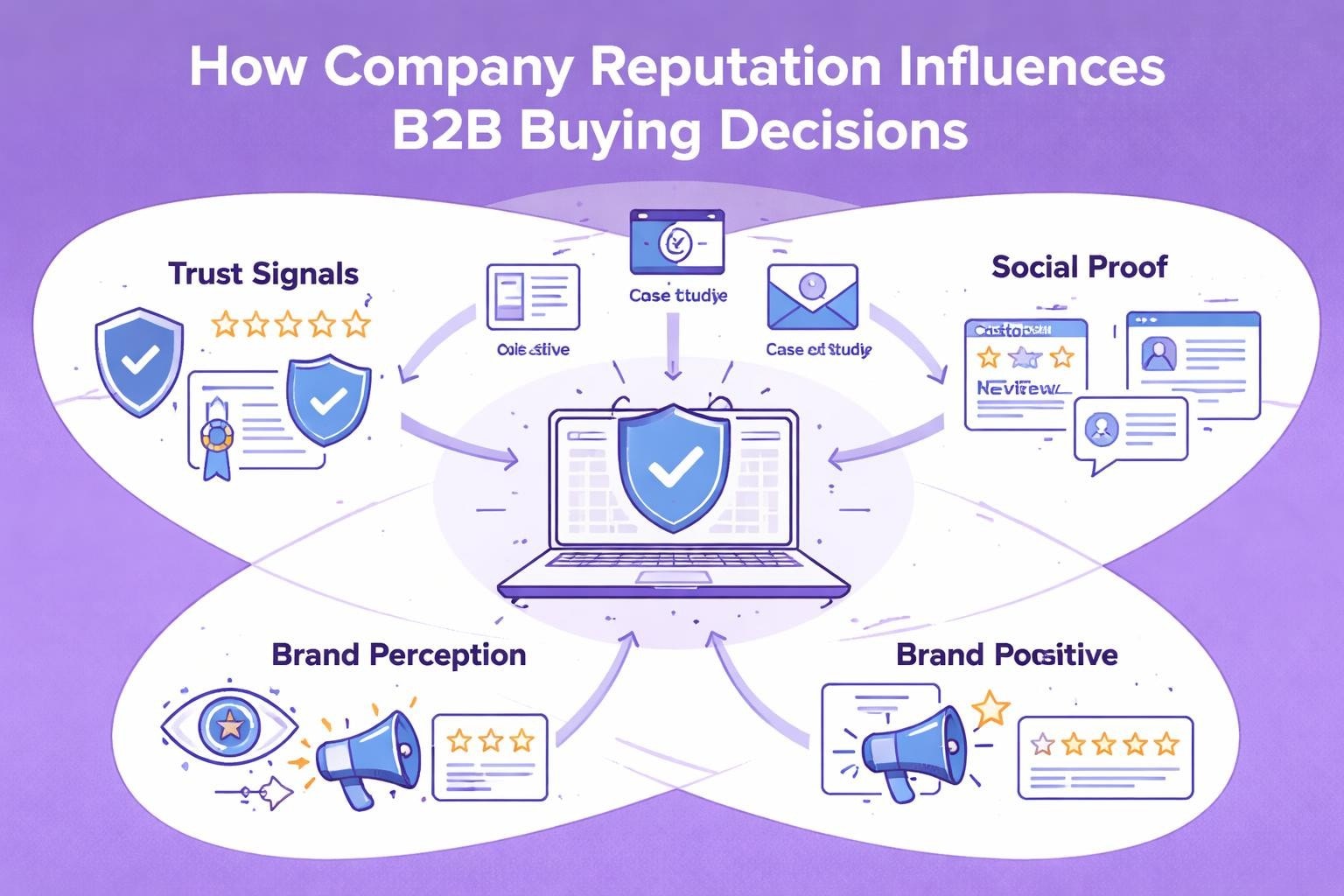
The head of a company who blindly pursues automation risks commoditizing relationships that differentiate their offering. In markets where trust drives purchasing decisions, maintaining authentic human connections often matters more than marginal efficiency gains.
The head of a company shapes every dimension of organizational performance through strategic decisions, cultural investments, and operational discipline. In high-value B2B environments, the quality of leadership directly correlates with revenue outcomes and sustainable growth. For companies seeking to optimize outbound sales while maintaining relationship quality, Samplead provides trigger-based prospecting automation that keeps humans in the loop, empowering sales teams to reach prospects at precisely the right moments with relevant, personalized outreach that drives meaningful conversations.