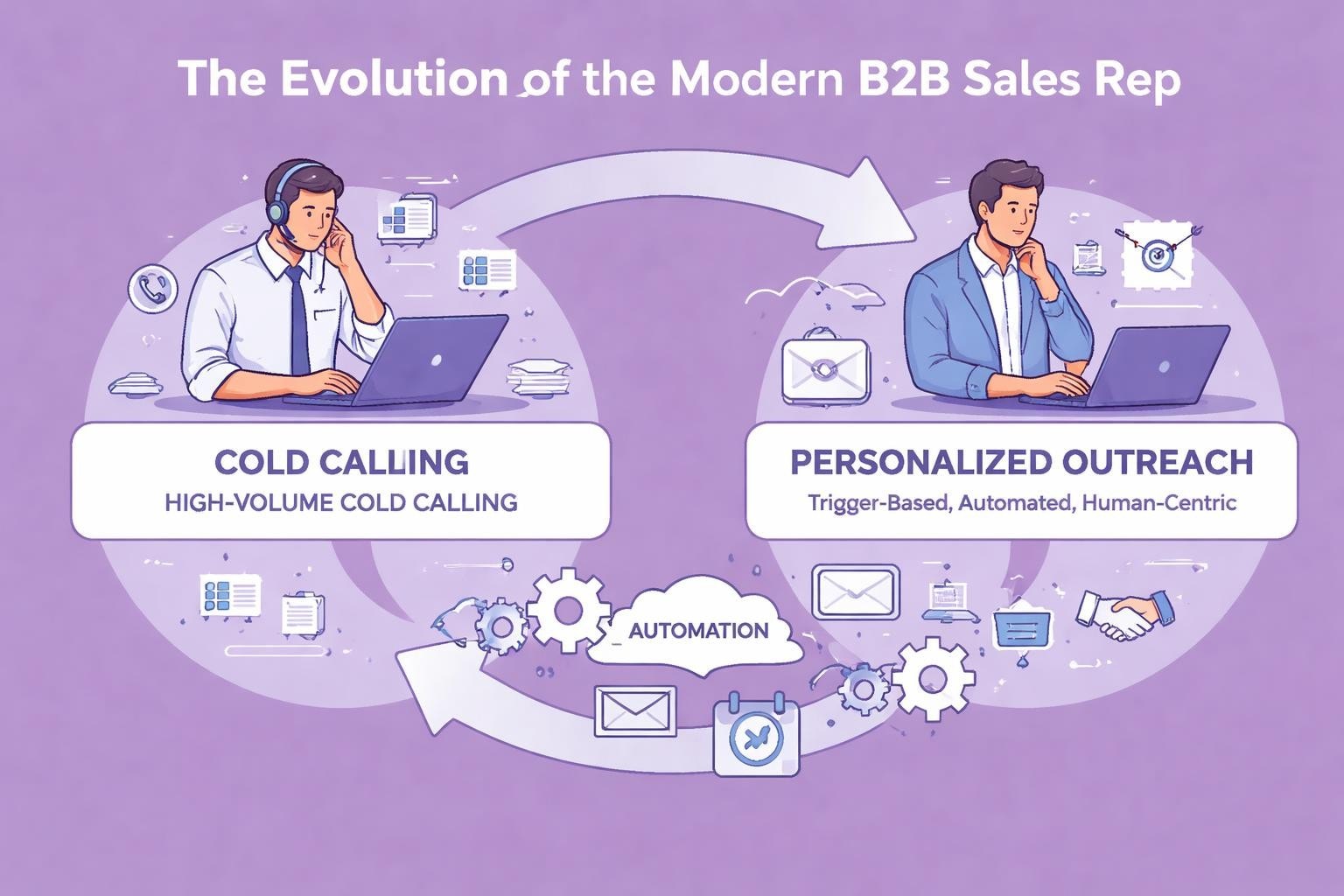
Did you know that companies using cold calling grow 42% faster than those who don’t? Despite rapid advances in automation and digital marketing, outbound calling remains a game changer for B2B and B2C sales in 2026.
Mastering your outbound calling strategy is more important than ever. With new technology, stricter regulations, and ever-changing buyer expectations, only the most adaptable teams will thrive.
In this article, you’ll discover the seven essentials for outbound calling success in 2026. We’ll show you how to boost answer rates, personalize every call, use automation wisely, stay compliant, and drive stronger ROI.
Ready to optimize your outbound calling strategy and outperform the competition? Let’s dive in.
TL;DR: 7 Outbound Calling Strategy Essentials for 2026 Success
- Outbound calling strategy remains crucial for revenue growth and pipeline acceleration, with the phone still ranking as the most important outbound channel for 86% of decision-makers (Phone remains top outbound channel).
- Personalization, precise timing, and data-driven targeting drive higher connection and conversion rates.
- AI and automation streamline processes, but genuine human interaction delivers results.
- Maintaining compliance and strong caller ID reputation is critical for high answer rates.
- Integrated tech stacks and analytics enable measurable performance improvements.
- Effective scripting and ongoing coaching empower teams to close more deals.
- Continuous optimization ensures your outbound calling strategy stays ahead of the curve.
The Evolving Landscape of Outbound Calling in 2026
Outbound calling strategy in 2026 is rapidly shifting as technology, buyer behavior, and regulations continue to evolve. To stay ahead, sales leaders and teams must adapt to new realities, blending proven tactics with innovative tools and compliance measures.
Key Industry Trends and Challenges
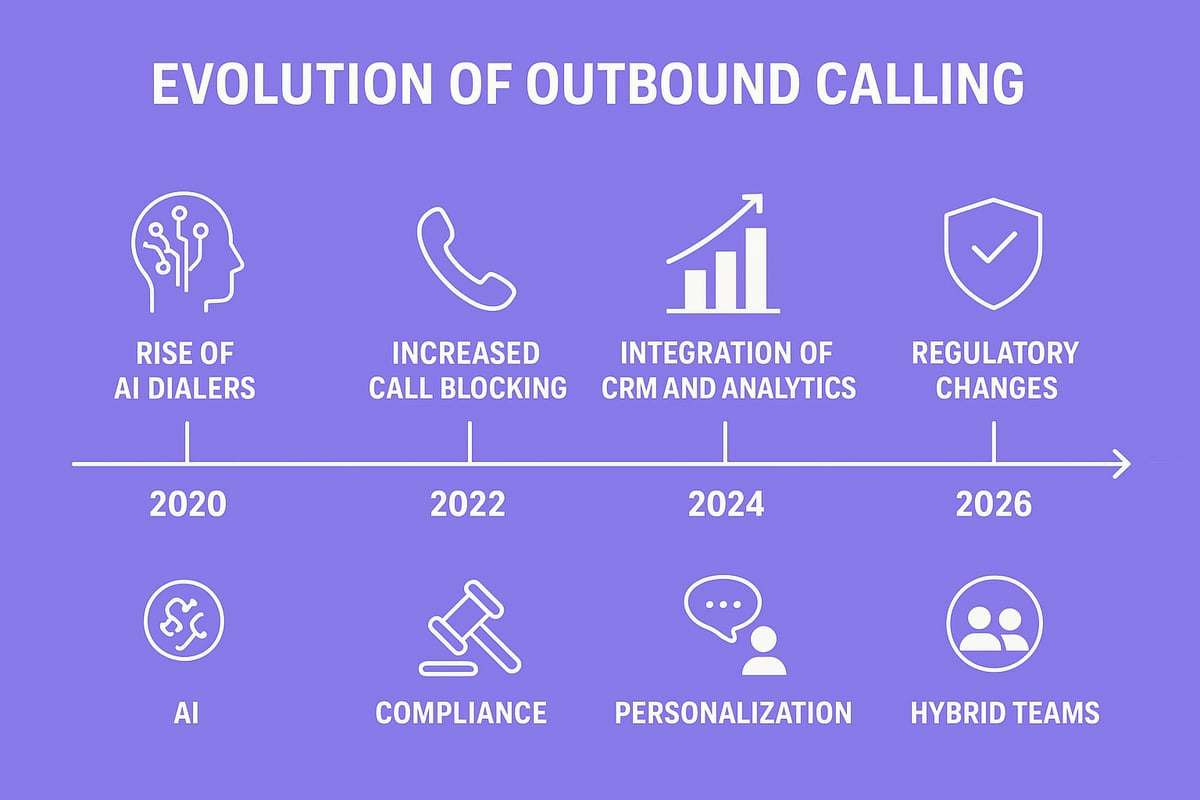
The outbound calling strategy landscape is defined by rapid innovation and heightened scrutiny. Sales teams are adopting AI-powered dialers and predictive calling systems to boost efficiency. However, this progress brings new obstacles, such as a spike in call blocking and spam flagging, fueled by stricter telecom regulations.
Personalization is no longer optional—buyers now expect relevant, tailored outreach every time. Seamless CRM integration and automation are vital, allowing teams to leverage data for smarter targeting. Remote and hybrid sales teams are driving new best practices, making collaboration and real-time coaching essential. For a deeper dive into compliance trends, see FCC's 2025 call blocking rules explained.
Why Outbound Calling Still Matters
Despite digital noise, outbound calling strategy remains a direct pipeline accelerator. It enables real-time conversations that foster trust and move prospects through the funnel faster than email alone. Outbound calling works in tandem with inbound and digital marketing, creating a multi-channel approach that increases engagement.
According to Rain Group, 82% of buyers are open to meetings after a relevant call. Case studies from real estate and B2B tech firms show up to 4x productivity boosts when outbound is executed well. In crowded markets, a strong outbound calling strategy is a true differentiator, helping brands stand out and connect with decision-makers.
Data & Statistics Shaping 2026 Outbound
The numbers underscore why refining your outbound calling strategy is crucial. Companies using cold calling grow 42% faster, according to Readymode. Harvard Business Review reports leads are 7x more likely to be qualified if contacted within an hour. Additionally, 96% of buyers welcome calls that address specific business challenges.
- 42% faster growth for companies using outbound calling
- 7x higher qualification rates with rapid response
- 96% buyer openness to solution-focused calls
Staying data-driven and agile ensures your outbound calling strategy delivers measurable results in 2026.
7 Outbound Calling Strategy Essentials for 2026
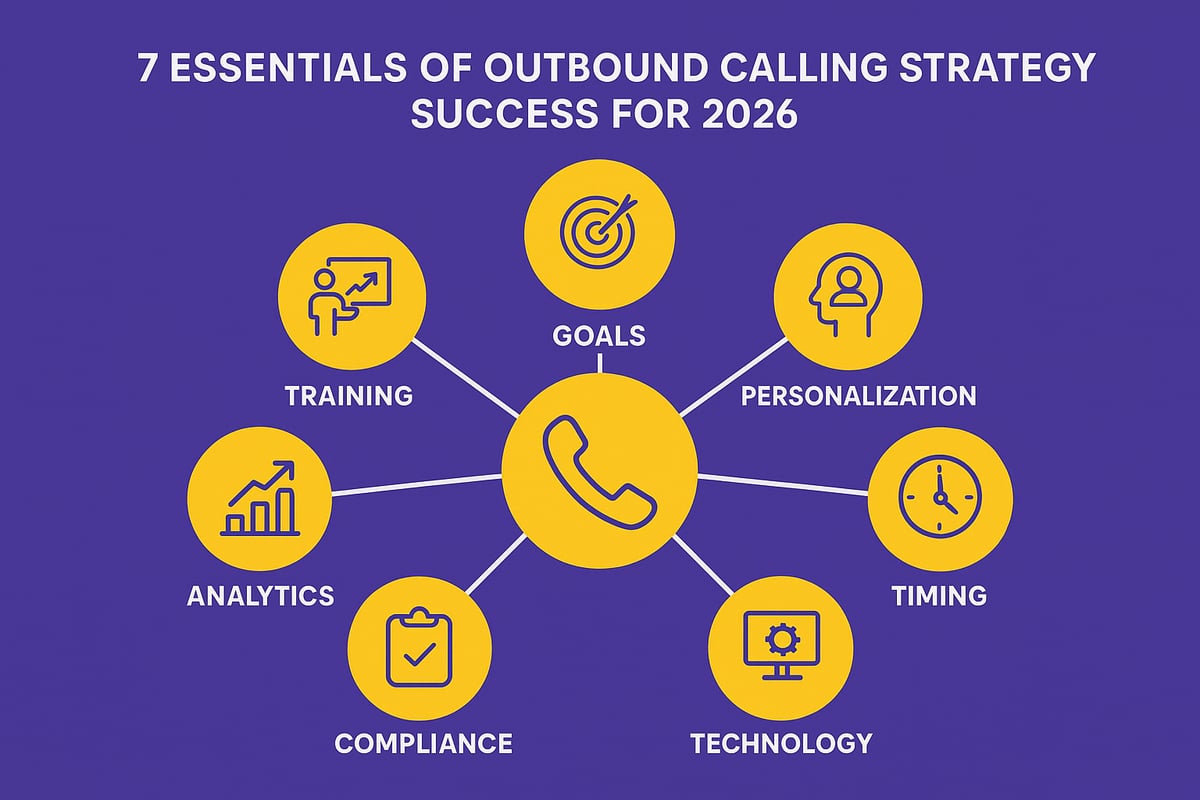
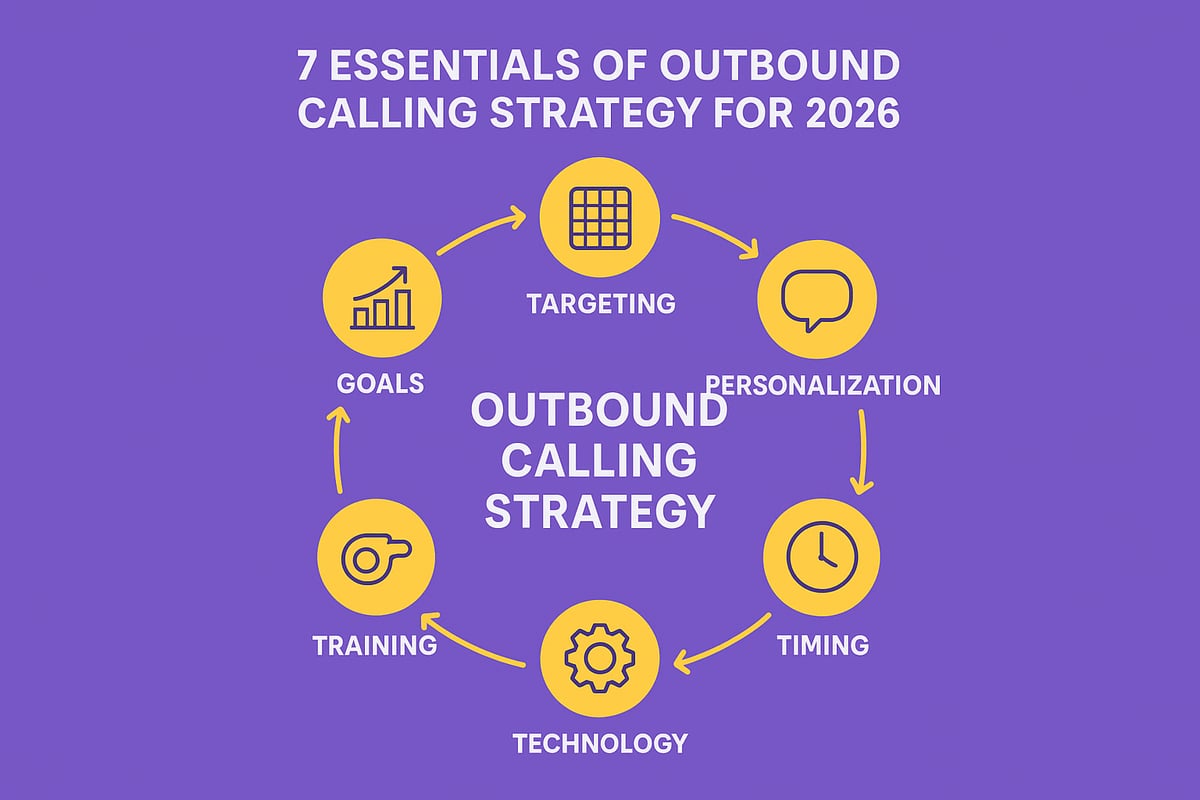
To build a winning outbound calling strategy in 2026, you need more than persistence and a phone list. Success requires clear goals, precise targeting, personalization, timing, technology, compliance, and empowered teams. Let’s break down the seven essentials every high-performing sales team must master.
1. Define Clear, Measurable Goals
Every effective outbound calling strategy starts with specific, measurable goals. Without clarity, your team risks spinning its wheels and burning out fast.
Set KPIs that matter: calls made, meetings booked, conversion rates, and pipeline value. Go beyond vanity metrics like raw dials. Instead, align your outbound calling strategy with outcomes that drive revenue and growth.
For example, a SaaS company recently shifted its outbound calling strategy from focusing on call volume to tracking the number of qualified meetings. This small change boosted both morale and results. When everyone knows what 'success' means, you foster accountability and healthy competition.
Leverage CRM dashboards to track progress in real time. Use data to refine your goals as market conditions shift. Regularly review performance at both team and individual levels, then adjust targets to keep everyone motivated and on track.
Clear objectives reduce wasted effort. They help reps prioritize their time and focus on what moves the needle. Teams with defined KPIs also experience less burnout and higher morale.
Sample Outbound Calling KPIs Table:
| KPI | Description | Why It Matters |
|---|---|---|
| Calls Made | Total outbound calls per rep/team | Measures activity level |
| Meetings Booked | Number of qualified meetings scheduled | Tracks true progress |
| Conversion Rate | Percentage of calls leading to next step | Shows effectiveness |
| Pipeline Value | Potential revenue from outbound leads | Links effort to results |
Make goal-setting the foundation of your outbound calling strategy. Review and refine these targets regularly to stay ahead.
2. Master Data-Driven Targeting & Segmentation
Precise targeting is the backbone of any successful outbound calling strategy. In 2026, generic lists and “spray and pray” tactics just do not cut it.
Leverage CRM and lead management tools to segment prospects by industry, job title, company size, buying stage, and intent signals. The more granular your segmentation, the more relevant your outreach becomes.
Predictive analytics can help you prioritize leads most likely to convert. For example, health insurance sales teams often segment by eligibility, location, and recent inquiries. Integrating external data—like LinkedIn activity, company news, or industry events—can uncover hidden opportunities.
Well-segmented lists improve conversion rates and rep efficiency. According to industry research, teams using advanced segmentation see 15-30% higher close rates compared to those with generic lists.
Common Segmentation Factors Table:
| Segmentation Factor | Why Use It? |
|---|---|
| Industry | Tailors pitch to sector challenges |
| Job Title | Targets decision-makers |
| Company Size | Aligns offer with resources |
| Intent Signals | Prioritizes hot leads |
| Recent Activity | Capitalizes on timely triggers |
Use data to continually refine your outbound calling strategy. The more relevant your outreach, the higher your ROI.
3. Personalize Every Conversation
Personalization is the difference between being welcomed and being ignored. In a crowded market, a tailored message can be the deciding factor in your outbound calling strategy.
Start by researching your prospects. Look for recent triggers: have they raised funding, posted new jobs, or engaged with your content? Use this intel to craft dynamic scripts that speak directly to their needs.
For example, a solar energy rep might reference recent weather events or local energy incentives. CRM pop-ups and sales enablement tools now provide real-time insights during calls, making personalization scalable.
Empathy and active listening are just as important as data. Adjust your tone and questions based on the conversation’s flow. According to recent studies, 96% of buyers are more likely to engage with personalized outreach.
For a deeper dive, check out our guide on personalizing outreach at scale with AI to see how technology can support human connection.
Sample Personalized Call Opener:
"Hi Jamie, I noticed your company just expanded into the Midwest. Many of our clients in that region are seeing huge success with [solution]. How are you approaching this new market?"
Personalization should be at the heart of your outbound calling strategy. It turns cold calls into warm conversations.
4. Optimize Call Timing & Cadence
Timing can make or break your outbound calling strategy. Even the best script will fall flat if you call at the wrong time.
Identify optimal calling windows for your audience. For B2B, late mornings and mid-afternoons often yield the best results. For B2C, early evenings or weekends may work better. Avoid calling during lunch hours or late at night.
Develop structured cadences—planned sequences of calls and follow-ups spaced over days or weeks. A well-timed cadence increases your chances of connecting without overwhelming prospects. For example, VABizGrowth boosted their contact rates by 500% simply by adjusting their calling schedule.
Leverage automation for scheduled callbacks and timely reminders. Monitor answer and connect rates, then refine your approach as you gather more data.
Sample Call Cadence Table:
| Day | Action | Notes |
|---|---|---|
| Day 1 | Initial Call | Personalized intro |
| Day 3 | Follow-Up Call | Reference previous outreach |
| Day 5 | Email Touch | Include value prop |
| Day 8 | Final Call Attempt | Direct ask for feedback |
Never leave timing to chance. Make it a strategic pillar of your outbound calling strategy.
5. Leverage Technology & Automation—Without Losing the Human Touch
Technology is the ultimate force multiplier for your outbound calling strategy. Predictive dialers, AI-driven call routing, and CRM integrations can double or quadruple rep productivity.
Embrace automation for repetitive tasks: voicemail drops, follow-ups, and data entry. This frees up your team to focus on meaningful conversations. For example, Premier Home Solutions saw a 4x productivity boost after adopting advanced dialer tech.
But don’t let automation replace human insight. Use AI to suggest talking points, but always allow reps to adapt and respond naturally. Human oversight is critical for objection handling and building trust.
Integrate your CRM, dialer, and analytics platforms for a seamless workflow. Real-time dashboards help managers spot trends and coach in the moment.
Key Outbound Calling Tech Features Table:
| Feature | Benefit |
|---|---|
| Predictive Dialer | Maximizes live connects |
| AI Call Analytics | Identifies winning scripts |
| CRM Integration | Centralizes lead data |
| Automated Reminders | Reduces missed follow-ups |
Balance automation with authentic engagement. Your outbound calling strategy should empower reps, not replace them.
6. Maintain Caller ID Reputation & Compliance
Caller ID reputation can make or break your outbound calling strategy. If your numbers are flagged as spam, answer rates plummet.
Monitor and rotate outbound numbers regularly. Use reputation management tools to check if your calls are being marked or blocked. Stay current with regulations like TCPA, GDPR, and the Telemarketing Sales Rule. These rules change frequently, so ongoing education is essential.
For example, Readymode’s compliance features automatically adjust for state restrictions, helping teams avoid costly mistakes. Train your reps on consent and opt-out protocols to build trust and avoid legal risks.
Compliance Checklist Table:
| Compliance Step | Status |
|---|---|
| Number Rotation | Scheduled weekly |
| Reputation Monitoring | Monthly review |
| Consent Documentation | Integrated in CRM |
| Opt-Out Protocols | Rep training complete |
A strong outbound calling strategy is always compliant and earns trust with every call answered.
7. Empower Teams with Training, Scripting & Analytics
Your team is the engine of your outbound calling strategy. Equip them with effective scripts, ongoing coaching, and actionable analytics.
Scripts should guide—not dictate—conversations. Encourage reps to personalize and adapt based on the prospect’s responses. Role-playing and call monitoring are powerful tools for continuous improvement.
Analyze call data to identify top performers and replicate their best practices. Quality monitoring and regular feedback help teams grow. Teams with supervisor coaching see higher conversion rates and faster skill development.
Conversational analytics can reveal which phrases resonate and where objections arise. Use these insights to refine scripts and training programs.
Sample Call Coaching Table:
| Coaching Area | Focus | Outcome |
|---|---|---|
| Script Adaptation | Personalize for each lead | Higher engagement |
| Objection Handling | Practice responses | Reduced call drop rate |
| Active Listening | Encourage open-ended questions | Better qualification |
Investing in your people is the surest way to future-proof your outbound calling strategy.
Outbound Calling Tools & Tech Stack Recommendations
Selecting the right tools is the backbone of any high-performing outbound calling strategy. In 2026, sales teams must balance cutting-edge technology with usability, compliance, and seamless integration to achieve peak efficiency. The right tech stack not only accelerates outbound efforts, but also empowers reps to deliver a personalized, data-driven approach.
Essential Tech for Modern Outbound Teams
A robust outbound calling strategy in 2026 demands a suite of interconnected tools. Essential components include predictive dialers, AI-powered analytics, a centralized CRM, and compliance solutions. Real-time dashboards and lead scoring ensure reps focus on the most promising prospects.
Consider these must-have features:
- Predictive dialing for high call volumes
- AI-driven call analytics to optimize scripts and timing
- CRM integration for unified data access
- Call recording and quality monitoring
- Compliance tools for regulatory adherence
Below is a comparison of leading outbound calling platforms:
| Platform | Predictive Dialer | AI Analytics | CRM Integration | Compliance Tools | Call Recording |
|---|---|---|---|---|---|
| Nextiva | Yes | Yes | Yes | Yes | Yes |
| Readymode | Yes | Yes | Yes | Advanced | Yes |
| Five9 | Yes | Advanced | Yes | Yes | Yes |
For deeper insights on productivity tools, see Maximizing efficiency for outbound teams.
The Role of Human-in-the-Loop Automation
Automation is transforming outbound calling strategy, but human oversight remains essential. AI can automate dialing, lead prioritization, and even suggest talking points, yet only humans can build rapport and handle complex objections.
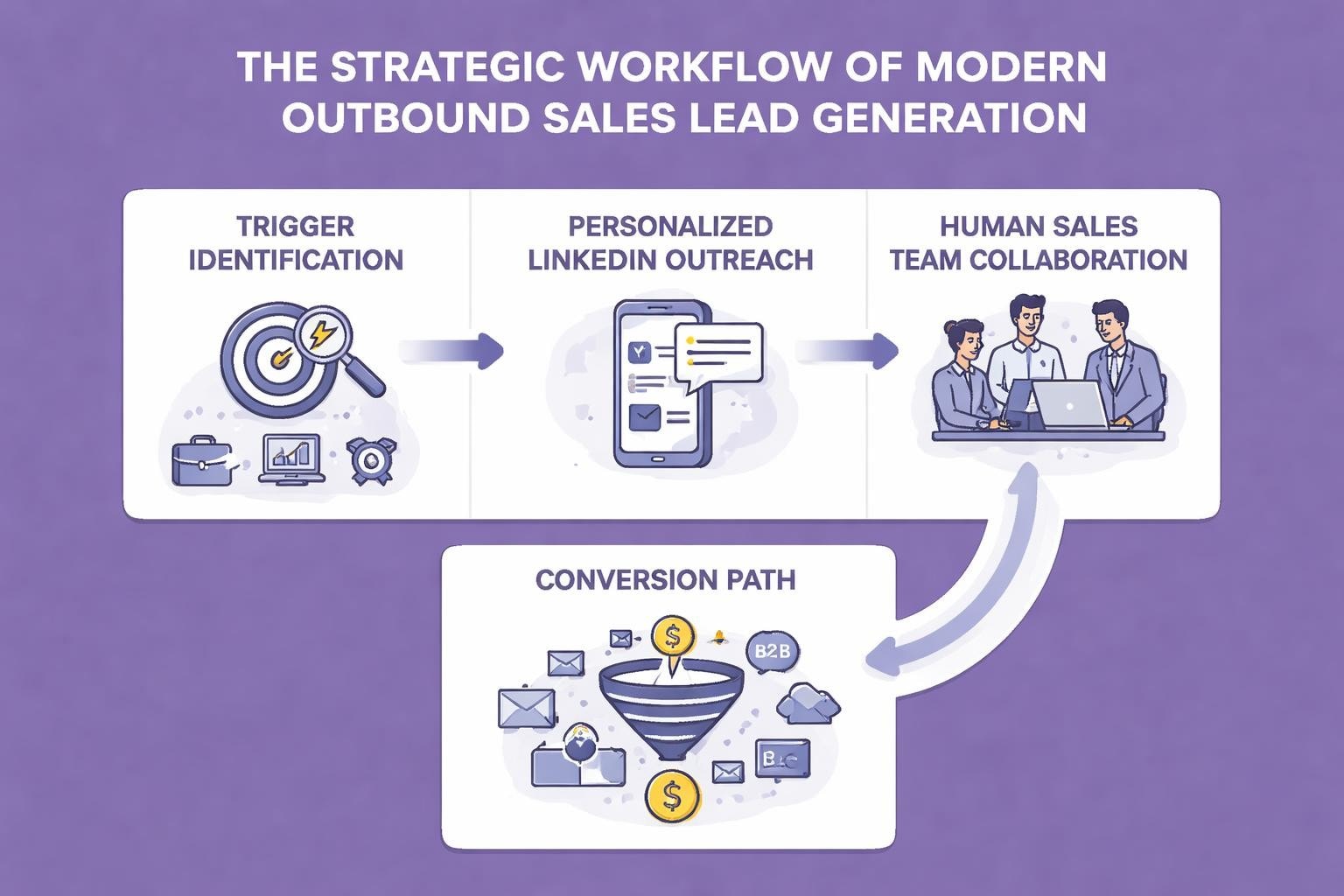
Trigger-based prospecting, using real-time signals like LinkedIn updates or company news, empowers reps to reach out at the perfect moment. For example, B2B teams leveraging AI-driven triggers report higher reply rates and more meaningful conversations.
Integrating automation with human approval ensures outreach is timely, relevant, and compliant. This approach elevates outbound calling strategy by combining speed with authenticity, making every call count.
Future-Proofing Your Outbound Strategy
The outbound calling strategy landscape is in constant flux, driven by evolving technology and regulations. Future-proofing starts with a scalable, flexible tech stack that can adapt to new tools and compliance demands.
Regularly review your platforms for updates, and invest in training so your team can fully leverage advanced features. Update call scripts and cadences based on analytics and buyer feedback. Track KPIs like connection rates, call duration, and conversion ratios to spot trends.
Here’s a table of outbound calling KPIs to monitor in 2026:
| KPI | Description | Why It Matters |
|---|---|---|
| Answer Rate | Percentage of calls answered | Measures reach and caller ID effectiveness |
| Conversion Rate | Leads converted to meetings/sales | Reveals true ROI of outbound efforts |
| Average Call Duration | Length of successful calls | Indicates engagement quality |
| Compliance Incidents | Regulatory violations reported | Protects brand and prevents fines |
Staying agile with your outbound calling strategy ensures you remain competitive and compliant as the market evolves.
Samplead: Trigger-Based Outbound Automation for B2B Teams
For high ACV B2B organizations, Samplead offers a unique outbound calling strategy: it automates prospecting using real-time triggers, such as funding, hiring, or content engagement. AI-driven insights are paired with human review, guaranteeing outreach is both timely and highly personalized.
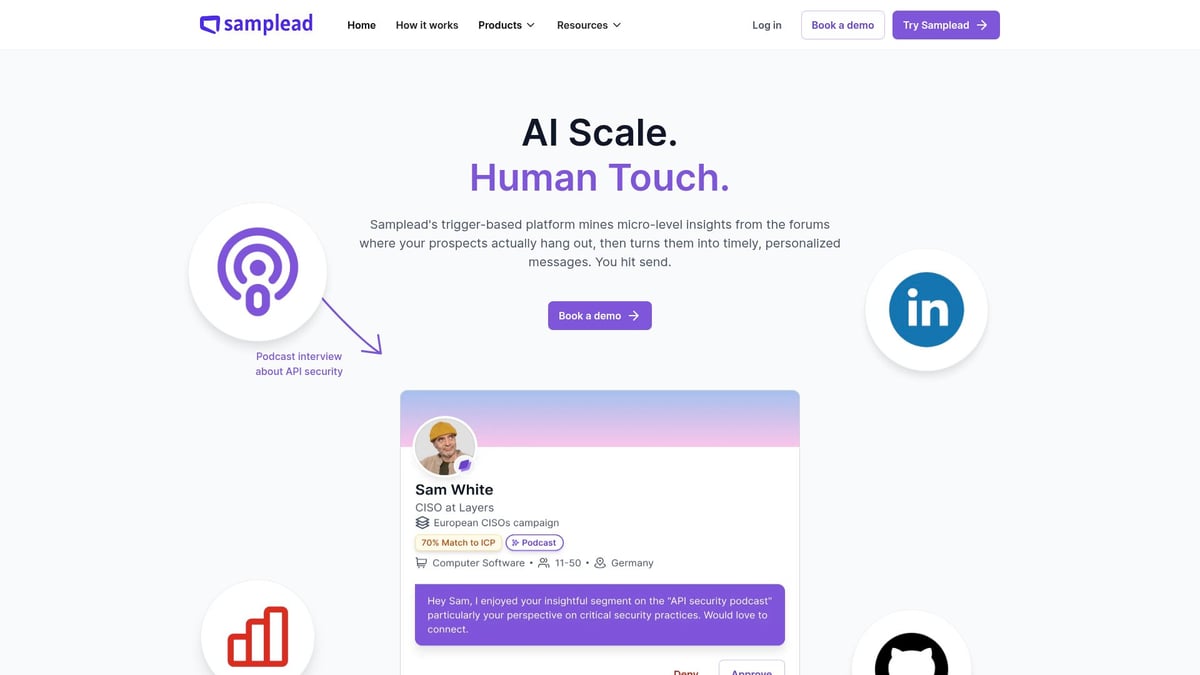
Samplead’s approach prioritizes quality over quantity, empowering sales teams to focus on high-impact conversations. This outbound calling strategy is ideal for companies that want scalable results without losing the human touch.
Book a demo to discover how trigger-based automation can transform your outbound calling strategy, drive better ROI, and keep your pipeline full.
Common Outbound Calling Mistakes to Avoid
Even the best outbound calling strategy can fall short if common mistakes are overlooked. Many teams rely too heavily on rigid scripts, which can make conversations sound robotic and disengage prospects. Failing to monitor caller ID reputation also leads to low answer rates, as more calls get flagged as spam.
Other frequent errors include skipping segmentation and personalization, which reduces relevance and hurts conversion rates. Ignoring compliance requirements can result in fines and damage your brand—refer to Complying with the Telemarketing Sales Rule for essential legal guidelines.
Timing matters as well. Calling during off-hours or without a structured cadence means missed opportunities. Neglecting analytics prevents teams from identifying what works and optimizing performance. A BPO agency improved results by shifting from high-volume calls to value-driven outreach, proving that focusing on quality elevates any outbound calling strategy.
- Avoid over-reliance on scripts, keep conversations natural
- Regularly check and protect your caller ID reputation
- Always segment and personalize outreach
- Stay compliant with legal and regulatory rules
- Optimize timing and cadence for better results
- Use analytics to drive continual improvement
Outbound Calling Strategy FAQ
Have questions about perfecting your outbound calling strategy in 2026? Here are the key answers every sales leader needs.
What is the best time to make outbound sales calls in 2026?
The best times are typically mid-morning (9–11 am) and late afternoon (4–6 pm), based on SDR cold calling statistics 2025 and industry research. Test and track for your audience.
How can I keep my outbound calls from being flagged as spam?
Rotate caller IDs, monitor reputation, avoid high-volume bursts, and always identify your company. Following these steps protects your outbound calling strategy’s answer rates.
What are the most important KPIs for outbound calling teams?
Focus on dials to connects, meetings booked, conversion rates, and pipeline value. Regularly review KPIs to refine your outbound calling strategy for maximum ROI.
How do I personalize calls at scale without losing efficiency?
Use CRM insights, segmentation, and dynamic scripting. Automate research where possible, but always tailor your approach. For more, check Enhancing outbound sales performance.
What’s the role of AI in outbound calling, and will it replace human reps?
AI streamlines targeting, call routing, and follow-ups. However, human reps remain essential for relationship-building and closing complex deals.
How can I ensure my outbound calling strategy remains compliant?
Stay updated on TCPA, GDPR, and local laws. Use compliance tools, secure consent, and train reps on opt-out protocols to avoid fines.
How often should I review and update my call scripts and cadences?
Review scripts and cadences quarterly, or after major changes in products, regulations, or buyer behavior. Continuous improvement keeps your outbound calling strategy sharp.
Outbound Calling Strategy FAQ Quick Reference
| Question | Quick Answer |
|---|---|
| Best time to call? | 9–11 am, 4–6 pm; test for your audience |
| Prevent spam flags? | Rotate numbers, monitor reputation, identify company |
| Key KPIs? | Dials to connects, meetings, conversions, pipeline |
| Scale personalization? | CRM data, segmentation, dynamic scripts |
| AI’s role? | Targeting, routing, follow-ups; humans close deals |
| Stay compliant? | Update on laws, use tools, train reps |
| Update scripts? | Quarterly or with major changes |
Internal & External Links, Images, and Tables
A well-structured outbound calling strategy relies on a blend of authoritative resources, visual aids, and data-driven summaries. Here is a comprehensive overview of the supporting elements included in this article to help you optimize your outbound calling strategy for 2026:
Internal Links
This article integrates several internal links designed to deepen your understanding and execution of a successful outbound calling strategy:
- Sales KPIs Guide: Actionable insights for setting and tracking outbound sales goals.
- Sales Personalization Post: Proven techniques for tailoring your outbound calling strategy to individual prospects.
- Sales Coaching Best Practices: Guidance on empowering teams through training and analytics.
- Troubleshooting Guide: Solutions to common outbound calling challenges.
- Outbound Calling Tools Review: Comprehensive evaluation of leading technologies for outbound teams.
- For readers interested in optimizing their approach with data, the Data-driven sales strategy guide provides in-depth tactics for refining your outbound calling strategy.
External Links
To ensure your outbound calling strategy aligns with industry standards and leverages the latest trends, we reference several authoritative external resources:
- CRM Best Practices: Learn how top sales organizations use CRM for targeting and segmentation.
- Compliance Resources: Stay updated with TCPA, GDPR, and global calling regulations.
- Call Timing Studies: Access research-backed recommendations for optimal call windows.
- AI in Sales Articles: Discover how artificial intelligence enhances outbound processes.
- Outbound Calling Statistics: Explore data on growth rates, qualification, and buyer preferences.
Images
Visuals are strategically placed to clarify and reinforce outbound calling strategy concepts:
- Sales Team on Calls: Demonstrates real-world application of outbound techniques.
- CRM Dashboard Screenshot: Highlights data-driven decision-making.
- Call Analytics Graph: Visualizes key metrics and performance trends.
- Compliance Checklist Graphic: Summarizes regulatory must-haves.
- Call Script Template Example: Provides a ready-to-use framework for reps.
- Feature Comparison Table Visualization: Simplifies tech stack selection.
- Trigger-Based Automation Flowchart: Explains advanced outbound workflows.
Tables
HTML tables are included to make complex outbound calling strategy data accessible and search engine friendly:
<table>
  <tr>
    <th>Platform</th>
    <th>Predictive Dialer</th>
    <th>CRM Integration</th>
    <th>Compliance Tools</th>
    <th>Real-Time Analytics</th>
  </tr>
  <tr>
    <td>Nextiva</td>
    <td>Yes</td>
    <td>Yes</td>
    <td>Yes</td>
    <td>Yes</td>
  </tr>
  <tr>
    <td>Readymode</td>
    <td>Yes</td>
    <td>Yes</td>
    <td>Yes</td>
    <td>Yes</td>
  </tr>
  <tr>
    <td>Five9</td>
    <td>Yes</td>
    <td>Yes</td>
    <td>Yes</td>
    <td>Yes</td>
  </tr>
</table>
<table>
  <tr>
    <th>KPI</th>
    <th>Description</th>
    <th>Target (2026)</th>
  </tr>
  <tr>
    <td>Calls Made</td>
    <td>Number of outbound attempts</td>
    <td>500/week</td>
  </tr>
  <tr>
    <td>Meetings Booked</td>
    <td>Qualified appointments set</td>
    <td>50/week</td>
  </tr>
  <tr>
    <td>Conversion Rate</td>
    <td>Percentage of calls resulting in sales</td>
    <td>15%</td>
  </tr>
</table>
Other Formatting Elements
- Bullet-Pointed TL;DR: At the top of the article for quick takeaways.
- FAQ Section: Detailed answers to common outbound calling strategy questions.
- Code Blocks & Inline Code: Used for technical explanations and CRM integration tips.
Bringing together these elements, the article delivers a holistic, actionable guide for anyone seeking to master their outbound calling strategy in 2026.