Outbound sales is changing fast. In 2026, what worked yesterday may not cut through the noise today. B2B buyers are savvier, competition is fierce, and every outbound sales strategy needs to be smarter and more precise.
To win, you need innovative outbound sales strategy ideas backed by real data and proven results. This article reveals seven actionable techniques designed for the modern sales landscape.
You will discover how to leverage trigger-based prospecting, refine your ICP, personalize outreach, use multi-channel sequences, and more. Ready to boost your outbound results? Let’s dive into the strategies shaping high-performing sales teams in 2026.
TL;DR: Key Takeaways
- Use trigger-based prospecting to reach out at the right moment for higher engagement.
- Continuously refine your ideal customer profile for precise targeting.
- Personalize outreach at scale by combining AI and human input.
- Adopt a multi-channel, sequenced outreach approach for better response rates.
- Leverage an integrated sales tech stack to automate and gain real-time insights.
- Focus messaging on solving real business problems, not just pitching features.
- Prioritize quality conversations and the human touch over pure volume.
Busy B2B sales leaders, SDRs, and revenue teams will benefit most from these actionable outbound sales strategy insights. For a deeper dive into each strategy, check out our guide on Effective Outbound Sales Performance.
The State of Outbound Sales in 2026
Outbound sales strategy is evolving rapidly as we approach 2026. Instead of relying on sheer outreach volume, sales teams are now prioritizing smarter targeting, automation, and personalization. This shift reflects changes in buyer expectations and advances in sales technology.

The Shift from Volume to Precision
Outbound sales strategy has moved away from mass emailing and cold calling. In 2026, success depends on precision targeting and recognizing the right moments to connect with prospects.
According to Clevenio.com, outbound generates about 55 percent of B2B leads, but only when executed with targeted, data-driven tactics. Companies now use multi-channel, personalized outreach to outperform generic campaigns. This approach ensures each message is relevant and timely, resulting in higher engagement and conversion rates.
Sales teams that embrace this more refined outbound sales strategy benefit from better lead quality and improved pipeline efficiency.
The Role of Technology and AI
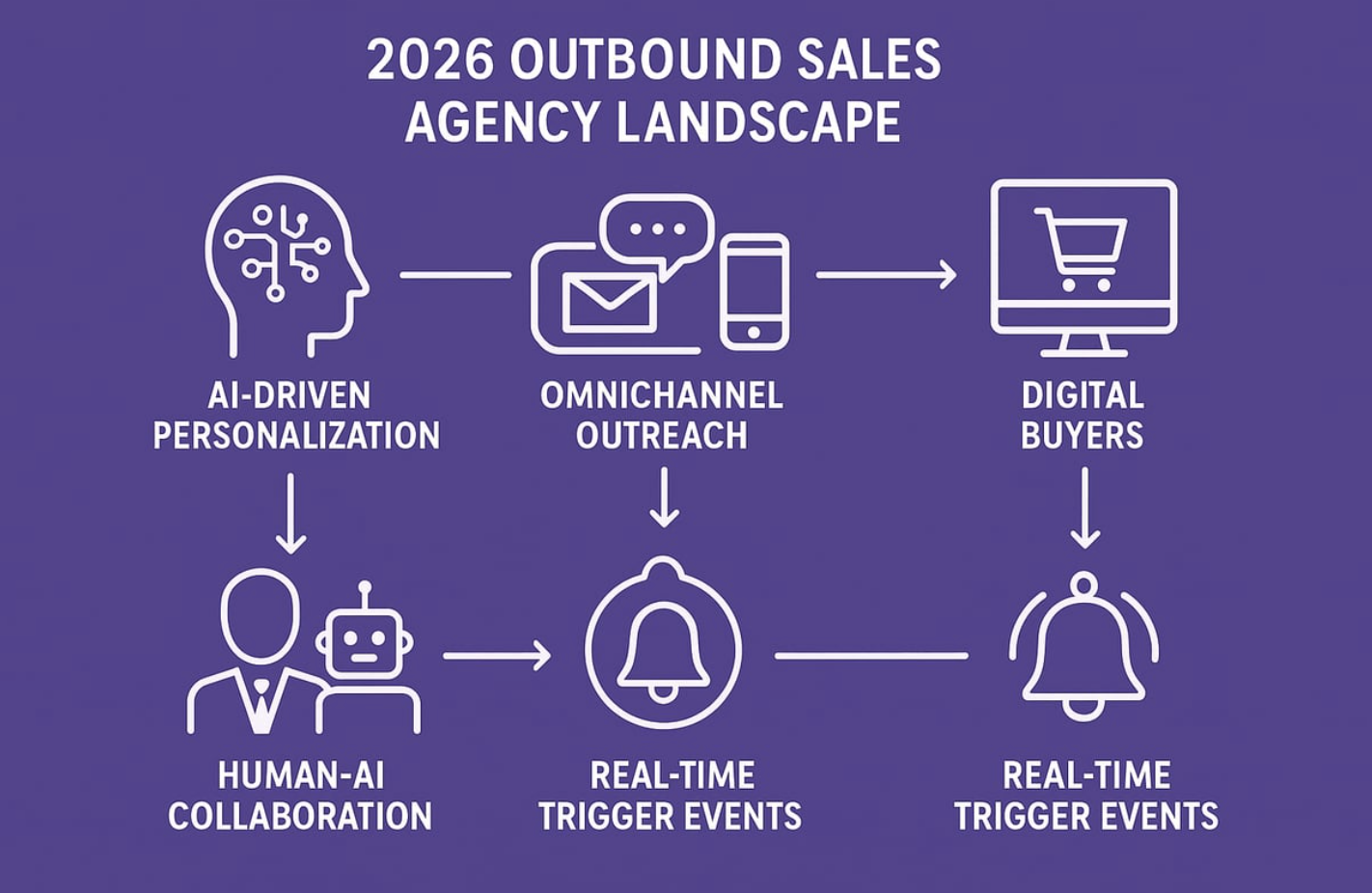
Technology and AI are now at the heart of every top outbound sales strategy. AI-driven tools help sales reps identify promising prospects, personalize messages, and optimize engagement timing. Human-in-the-loop systems add a layer of quality control, preserving authenticity and trust.
Research shows that teams using AI can generate up to 50 percent more leads and appointments than those relying solely on manual efforts. Integrating automation with human oversight is key. For more on this trend, see AI's Impact on Outbound Sales, which explores current best practices and future directions.
Sales organizations that blend AI with human insight set the pace for outbound sales strategy innovation.
Outbound vs. Inbound: What’s Working Now?
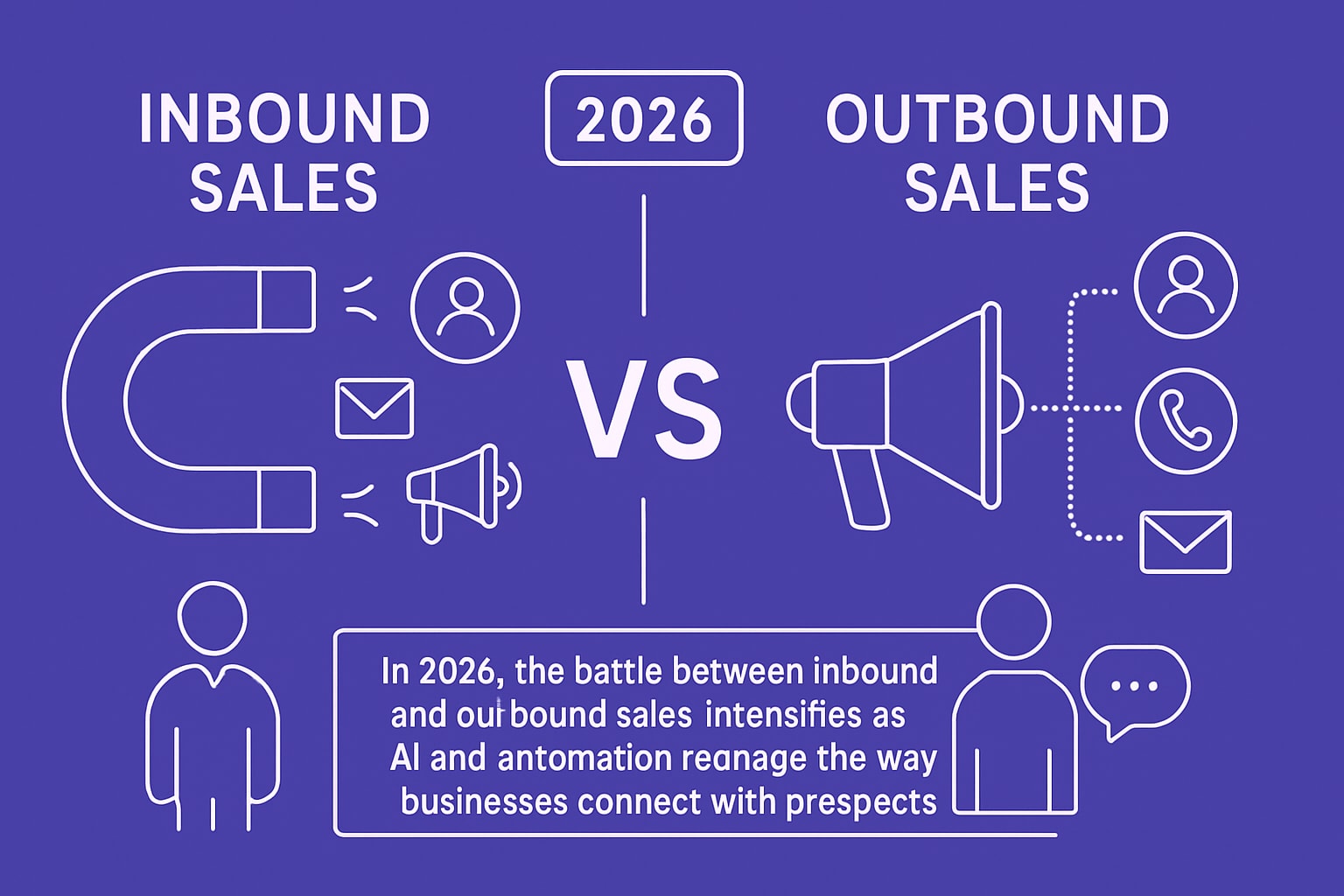
Outbound sales strategy offers unique strengths compared to inbound. Outbound is scalable, measurable, and directly drives pipeline growth. Inbound, on the other hand, excels at nurturing warm leads and building long-term brand credibility.
The most successful B2B teams combine both approaches. By blending outbound and inbound, they maximize coverage and adapt to shifting buyer journeys.
| Approach | Benefits | Challenges |
|---|---|---|
| Outbound | Scalable, measurable, direct pipeline impact | Requires precise targeting, risk of spam |
| Inbound | Warm leads, brand awareness, lower resistance | Slower pipeline, less control over volume |
A modern outbound sales strategy leverages both methods, ensuring no opportunity is missed.
Buyer Behavior and the Need for Timeliness
Today’s buyers are more informed and expect outreach that is both relevant and timely. They research solutions independently before engaging with sales, so catching them at the right moment is crucial for any outbound sales strategy.
Identifying triggers such as recent funding, new hires, or media coverage allows sales teams to reach out when prospects are most receptive. Trigger-based prospecting has been shown to significantly increase response rates.
In 2026, sales success will go to those who align their outbound sales strategy with buyer behavior, focusing on timing, relevance, and value.
7 Outbound Sales Strategy Ideas to Boost Results in 2026
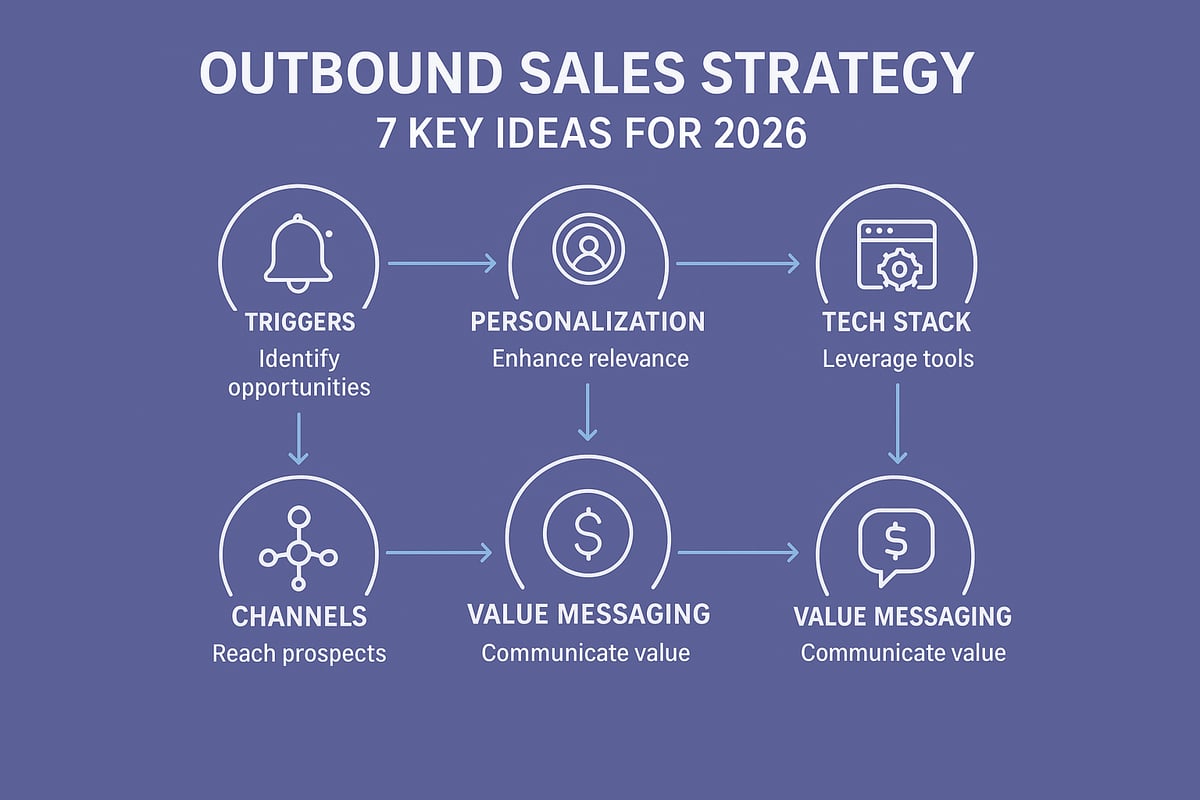
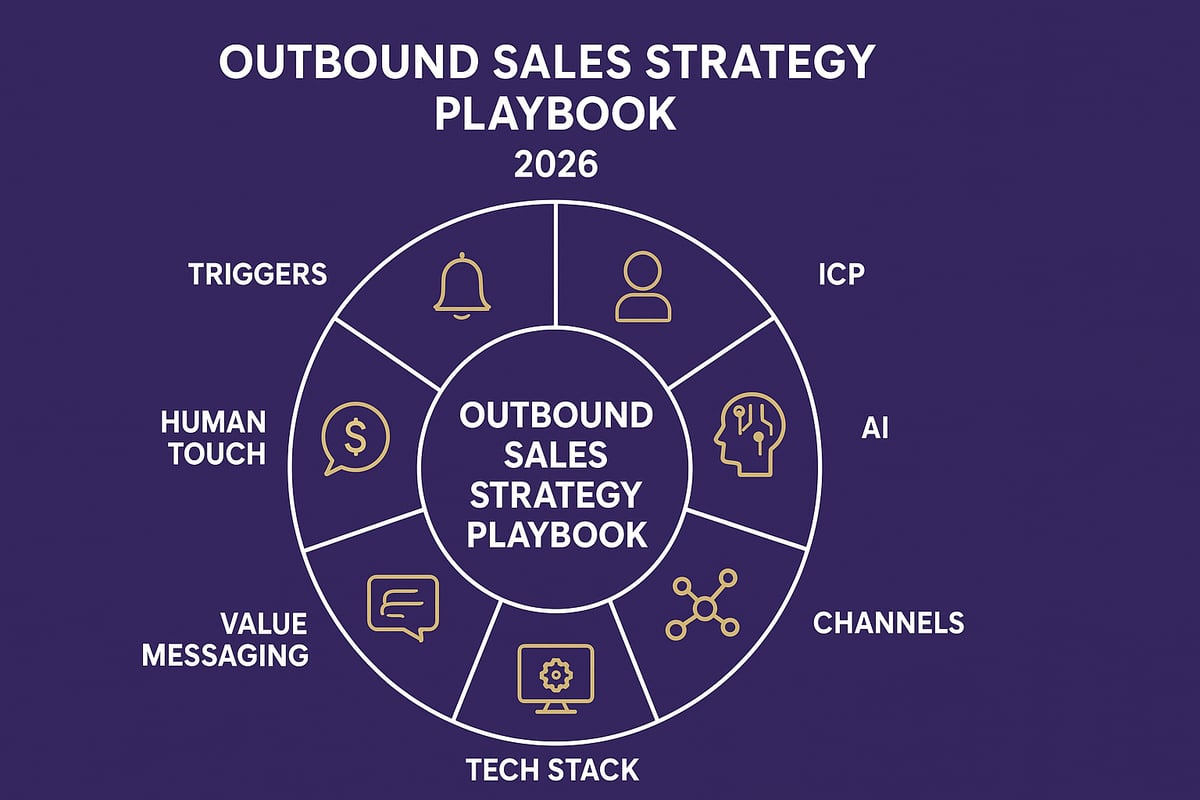
Success in outbound sales strategy today requires agility, data, and a relentless focus on precision. To outperform in 2026, you need more than a contact list—you need a playbook built for the modern B2B landscape. Here are seven proven outbound sales strategy ideas to elevate your pipeline, boost conversion, and future-proof your sales organization.
TL;DR: Key Outbound Sales Strategy Ideas for 2026
- Use trigger-based prospecting for hyper-relevant outreach
- Continuously refine your Ideal Customer Profile (ICP) with real data
- Personalize outreach at scale using human-AI collaboration
- Adopt multi-channel, sequenced outreach for maximum touchpoints
- Leverage sales tech for automation, analytics, and efficiency
- Focus on value-driven, problem-solving messaging
- Prioritize quality over quantity by keeping the human touch
Perfect for B2B sales leaders, SDRs, and revenue teams aiming for next-level outbound sales strategy results.
1. Implement Trigger-Based Prospecting
Outbound sales strategy in 2026 starts with relevance. Trigger-based prospecting means identifying real-time signals—like funding rounds, hiring sprees, press mentions, or podcast appearances—to spark perfectly timed outreach.
Instead of mass emailing, you focus on prospects when they're most receptive. For example, reaching out after a company’s funding announcement can drive engagement rates up by 30 percent.
To build this outbound sales strategy:
- Set up monitoring tools (Google Alerts, Crunchbase, LinkedIn) for key triggers.
- Automate signal detection using sales intelligence platforms.
- Develop outreach templates tailored to each trigger.
- Assign SDRs to review and personalize before hitting send.
The result? Your outbound sales strategy becomes more targeted, timely, and effective. Here’s a quick reference:
| Trigger Event | Recommended Outreach Approach |
|---|---|
| New Funding | Congratulate, share ROI case studies |
| Leadership Change | Introduce solutions for new priorities |
| Hiring Spree | Offer scaling or onboarding solutions |
| Press Mention | Reference media, align with messaging |
| Podcast Appearance | Comment on insights, offer tailored resources |
For deeper insights on trigger-based prospecting, see Trigger-Based Inbound Strategies.
2. Continuously Refine Your Ideal Customer Profile (ICP)
A static ICP is a liability in a fast-moving market. A winning outbound sales strategy means your ICP evolves with your data, deals, and market shifts.
Update your ICP after every quarter:
- Analyze closed-won and lost deals.
- Gather feedback from frontline sales and customer success.
- Adjust for industry, company size, tech stack, and pain points.
- Enrich data using platforms like LinkedIn Sales Navigator, ZoomInfo, or Apollo.io.
SaaS companies, for example, often shift focus post-Series B to enterprise accounts. This outbound sales strategy ensures you’re always chasing high-probability targets.
| ICP Attribute | Primary Data Source |
|---|---|
| Industry | CRM, LinkedIn |
| Company Size | ZoomInfo, Apollo.io |
| Tech Stack | BuiltWith, G2 |
| Recent Growth | Crunchbase, press releases |
| Geography | Internal data, LinkedIn |
Companies with a dynamic outbound sales strategy built on evolving ICPs see higher win rates and shorter sales cycles.
3. Personalize Outreach at Scale with Human-AI Collaboration
Personalization is the golden ticket in outbound sales strategy. Yet, doing it at scale is tough. The answer? Blend AI-driven personalization with human oversight.
AI platforms can draft emails that reference triggers, pain points, or recent activities. But humans add nuance, context, and authenticity. In 2026, teams using this outbound sales strategy see 23 percent higher opens and 133 percent more conversions.
How to execute:
- Use AI to generate first drafts referencing ICP data and live triggers.
- Human review for tone, accuracy, and relationship context.
- Personalize beyond the first name—mention recent company news, shared connections, or mutual interests.
Frameworks like R-P-V (Relevance, Personal Value, Validation) for email and A-B-C (Attention, Benefit, Call-to-Action) for calls help standardize quality.
Explore more in Personalizing Outreach at Scale with AI.
4. Adopt a Multi-Channel, Sequenced Outreach Approach
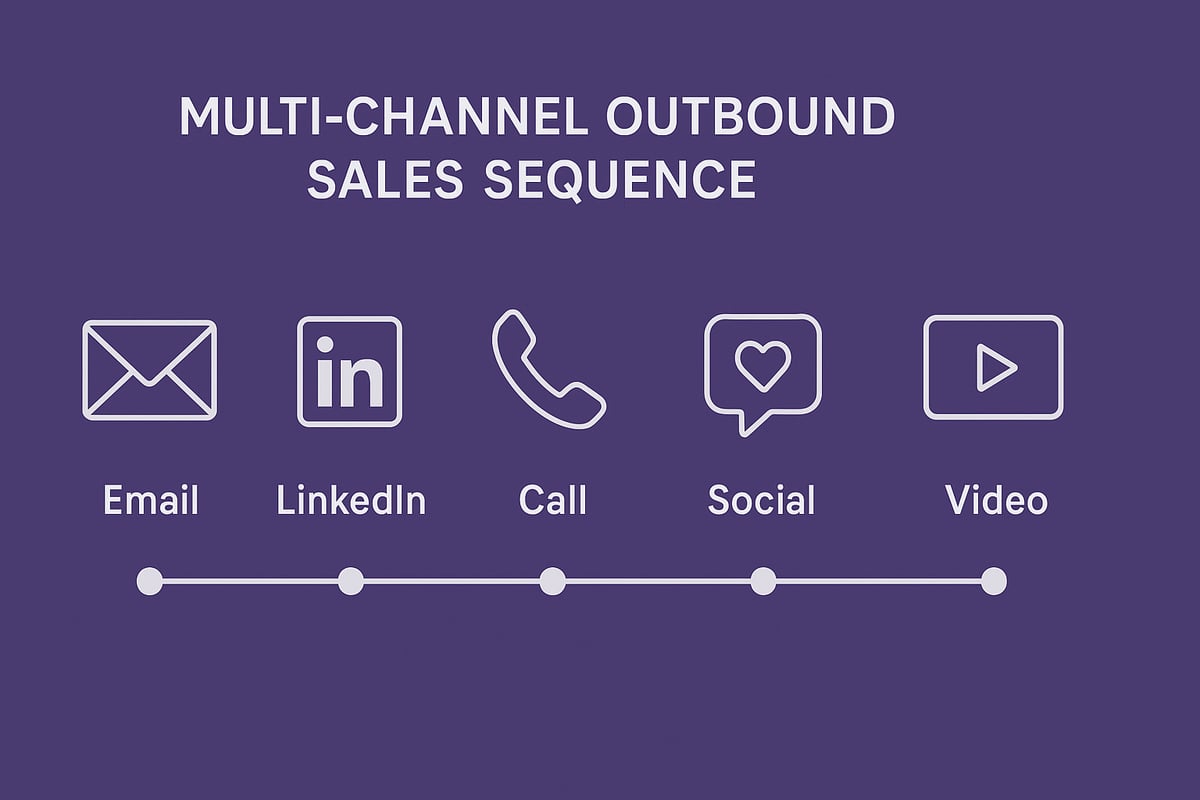
No single channel wins alone. The best outbound sales strategy in 2026 orchestrates email, phone, LinkedIn, and even text or video, in coordinated sequences.
Multi-channel campaigns deliver three times higher response rates than single-channel efforts. Here’s a sample sequence:
- Day 1: Email introduction
- Day 2: LinkedIn connect with a personalized note
- Day 4: Follow-up call
- Day 6: Social engagement (like or comment on their post)
- Day 8: Video message or SMS
Choose channels based on your ICP’s preferences and industry. For example, IT leaders may prefer LinkedIn, while finance executives respond better to calls.
| Industry/Role | Effective Channels |
|---|---|
| IT/CTO | LinkedIn, Email, Video |
| Finance/CFO | Phone, Email |
| Marketing/CMO | Email, Social, Video |
| Operations/COO | Email, Phone |
This outbound sales strategy ensures every touchpoint is optimized for engagement.
5. Leverage Sales Tech Stack for Automation and Insights
A modern outbound sales strategy is powered by technology. Your stack should include CRM, Sales Engagement Platforms (SEP), data enrichment, conversation intelligence, and scheduling tools.
Integrated tools automate follow-ups, track prospect engagement, and deliver real-time analytics. For example, connecting your CRM and SEP allows seamless tracking and faster qualification.
| Tech Stack Component | Leading Tools |
|---|---|
| CRM | Salesforce, HubSpot |
| Sales Engagement | Outreach, Salesloft |
| Data Enrichment | ZoomInfo, Apollo.io |
| Conversation Intelligence | Gong, Chorus |
| Scheduling | Calendly, Chili Piper |
Sales teams with a robust tech stack see 20 percent faster pipeline velocity. The right tech amplifies your outbound sales strategy by freeing reps to focus on high-value activities.
6. Focus on Value-Driven, Problem-Solving Messaging
Forget product pitches. The most effective outbound sales strategy now centers on value and solving real business problems.
Lead with use cases, customer stories, and quantifiable results. Example: “Our AI-driven prospecting helped a Series B SaaS company boost pipeline by 40 percent in six months.”
A/B test value offers (whitepapers, templates, webinars) versus direct pitches to see what resonates. Teams that use value-based messaging in their outbound sales strategy double their reply rates.
Types of value offers:
- Industry-specific case studies
- ROI calculators
- Whitepapers and research
- Free templates or checklists
- Access to exclusive webinars
This approach builds trust and positions your team as a problem-solving partner, not just another vendor.
7. Keep the Human Touch: Quality Over Quantity
In the era of automation, the human touch is your biggest differentiator. An outbound sales strategy that prizes thoughtful, personalized engagement outperforms “spray and pray” tactics.
Encourage SDRs to use video messages, voice notes, and highly personalized follow-ups. Focus on quality conversations, meeting rates, and deal progression—not just activity volume.
Empower your team with:
- Ongoing training and playbooks
- Regular feedback loops
- Metrics that reward meaningful interactions
This outbound sales strategy ensures your outreach feels authentic and builds genuine rapport, which is essential for winning in a crowded market.
Outbound Sales Strategy in Action: Real-World Examples
Real-world execution is where any outbound sales strategy proves its value. In 2026, companies that adapt quickly and apply innovative tactics see outsized results. Below, you’ll find two case studies that demonstrate how a modern outbound sales strategy delivers measurable impact, along with lessons learned to apply in your own approach.
Case Study: Trigger-Based Outreach Success
A B2B SaaS provider revamped its outbound sales strategy by automating trigger detection. The team monitored signals such as fundraising, executive hires, and media coverage. When a relevant trigger appeared, the system flagged the account for immediate, personalized outreach.
Sales reps crafted tailored messages referencing the specific trigger, then reviewed each touchpoint to ensure authenticity. This workflow led to a 30 percent increase in meetings booked and a higher conversion rate throughout the pipeline.
By focusing on real-time triggers, the company ensured every outbound sales strategy touchpoint was timely and relevant. The result was a significant improvement in both engagement and outcomes.
Case Study: Multi-Channel Sequencing
A leading SaaS firm adopted a multi-channel outbound sales strategy, coordinating email, LinkedIn, and cold calls into carefully planned sequences. The team mapped customer journeys and selected channels based on buyer preferences.
An example sequence included an initial email, followed by a LinkedIn connection request, then a phone call, and finally a social media touchpoint. This approach tripled their meetings booked compared to single-channel outreach. For more tactics on blending technology, personalization, and channel mix, see Outbound Sales Tactics for 2026.
This outbound sales strategy allowed the team to stay top of mind, break through digital noise, and engage prospects where they are most active.
Lessons Learned and Best Practices
Continuous improvement is essential for sustaining outbound sales strategy results. Top-performing teams:
- Regularly analyze campaign data to refine their approach.
- Avoid over-automation by keeping personalization at the core.
- Update ICPs and messaging based on market feedback.
| Best Practice | Impact |
|---|---|
| Real-time trigger monitoring | Boosts meeting rates by 30% |
| Multi-channel sequencing | 3x more meetings booked |
| Personalized, human-reviewed messaging | Higher reply and conversion rates |
These examples make it clear that a data-driven, human-centered outbound sales strategy is the difference between average and exceptional performance in 2026.
Internal and External Resources for Outbound Sales Mastery
Staying ahead with your outbound sales strategy means tapping into the right resources and expert insights. To accelerate your team's results, here are curated guides and tools for every stage of the outbound process.
Top Resources for Outbound Sales Strategy Success:
- Maximizing Efficiency: Tools for Outbound Teams for tech stack recommendations.
- Outbound Sales Prospecting Tactics for advanced prospecting and personalization strategies.
- HubSpot Sales Blog for best practices and templates.
- Gartner Sales Insights for market trends.
- Sales Hacker for community-driven outbound tactics.
| Resource | Description |
|---|---|
| Maximizing Efficiency: Tools for Outbound Teams | Comprehensive guide to building a high-performing outbound sales tech stack and automating workflows. |
| Outbound Sales Prospecting Tactics | Actionable tactics for precise targeting and account-based personalization in outbound sales strategy. |
| HubSpot Sales Blog | Industry-leading insights, templates, and outbound sales strategy tips. |
| Gartner Sales Insights | Authoritative research on sales technology and outbound trends. |
| Sales Hacker | Community-driven outbound sales strategy articles and webinars. |
Explore these resources to master every aspect of your outbound sales strategy and stay ahead in 2026.
Frequently Asked Questions (FAQ)
What is the difference between outbound and inbound sales?
Outbound sales strategy involves proactively reaching out to prospects, while inbound relies on attracting leads who find you first.
How can I personalize outreach at scale in 2026?
Leverage AI-driven tools to automate research and messaging, but always review and tailor communications for each outbound sales strategy.
What are the most effective outbound sales channels for B2B?
Email, LinkedIn, cold calling, and targeted social touches remain the top channels, especially when used in a coordinated sequence.
How do I identify the right triggers for prospecting?
Monitor real-time events like funding, hiring, or press releases to time your outbound sales strategy for maximum relevance.
What metrics should I track to measure outbound sales success?
Key metrics include reply rates, meeting books, conversion rates, and the quality of conversations.
How important is the human touch in automated outbound sales?
The human touch is critical; even with automation, thoughtful follow-ups and genuine rapport boost results. For more, see Cold Calling Strategies in 2026.
Where can I learn more about building a modern sales tech stack?
Explore trusted sources like Gartner, HubSpot, and LinkedIn Sales Solutions for up-to-date guides and best practices.