In 2026, the landscape of sales is rapidly changing as AI and automation transform how businesses reach and engage customers. The competition between inbound and outbound sales is fiercer than ever, with each approach evolving to leverage new technologies and data-driven tactics.
This article dives deep into the world of inbound and outbound sales, examining their strengths, weaknesses, and the latest innovations shaping the future. We will break down how each strategy works, highlight key trends, and share real-world examples that illustrate their impact.
You will discover actionable insights and practical tools to help you decide which sales approach fits your goals and resources. Ready to see which strategy will win in 2026? Let’s explore the future of selling together.
TL;DR: Quick Comparison of Inbound vs. Outbound Sales
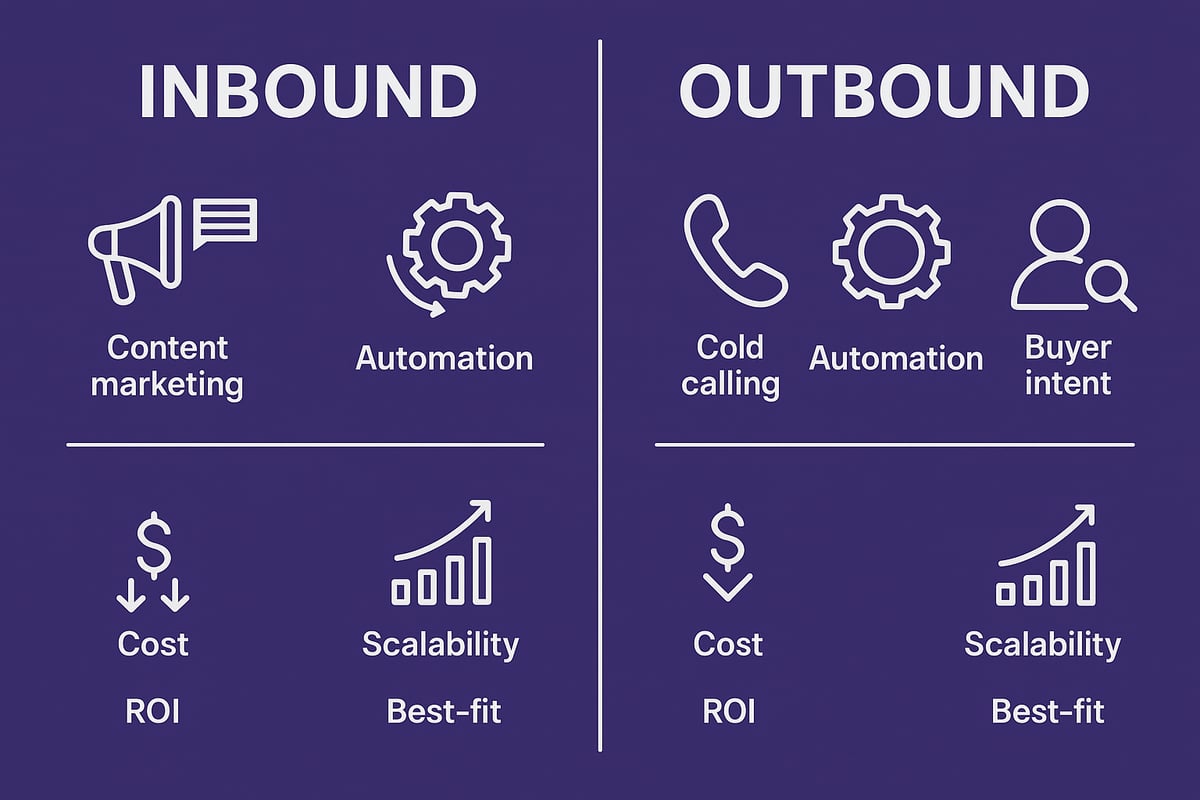
Looking for a fast breakdown of inbound and outbound sales in 2026? Here’s what you need to know at a glance:
- Inbound sales: Customers find you. Driven by content, SEO, and automation.
- Outbound sales: You reach out. Uses targeted outreach, cold calls, and AI-driven triggers.
- Buyer intent: Inbound prospects are often more ready to buy, while outbound requires more persuasion.
- Cost & ROI: Inbound usually has a lower cost per lead, outbound can deliver faster results for the right targets.
- Best-fit: Inbound excels for complex products and educated buyers. Outbound shines for new markets and enterprise deals.
- 2026 trend: Both rely on data, AI, and automation to boost efficiency and personalization.
| Aspect | Inbound Sales | Outbound Sales |
|---|---|---|
| Cost per Lead | Lower | Higher |
| ROI | Compounding, long-term | Faster, short-term |
| Scalability | High with automation | High with AI, but resource-intensive |
| Buyer Intent | High | Variable |
| Best-fit Scenarios | Long sales cycles, educated buyers | New markets, enterprise/ABM |
The bottom line: inbound and outbound sales are both evolving rapidly. The right approach for 2026 will depend on your business goals, resources, and market landscape. Learn more about how AI is reshaping these strategies in AI's Impact on Sales Strategies in 2026.
Defining Inbound and Outbound Sales in 2026
Understanding the future of inbound and outbound sales is crucial as AI and automation rapidly transform how businesses connect with potential buyers. In 2026, these two approaches are more sophisticated, data-driven, and intertwined than ever before.
What is Inbound Sales?
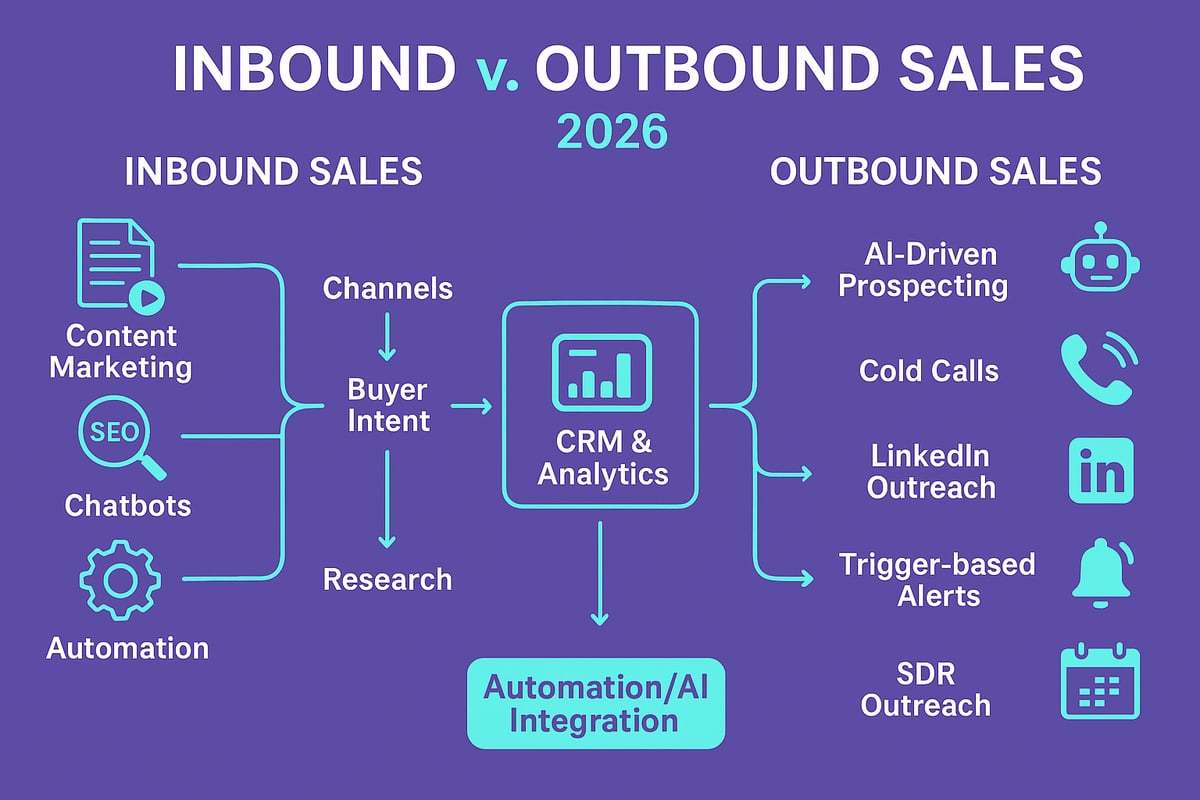
Inbound and outbound sales operate on distinct philosophies, and inbound sales is fundamentally buyer-initiated. Inbound sales focuses on attracting and nurturing leads who actively seek out solutions, using valuable content, SEO, and personalized digital experiences.
For example, a prospect searching for "AI-powered CRM" downloads an eBook, enters an automated nurturing campaign, and eventually requests a product demo. Research shows that 60% of B2B buyers conduct thorough online research before ever contacting a sales team (source: Kixie).
The real power of inbound and outbound sales in 2026 lies in inbound’s evolution. Today, AI-powered tools analyze buyer intent signals, automate content delivery, and personalize engagement at scale. This data-driven approach ensures prospects receive the right message at the right time, making inbound more effective and measurable than ever.
What is Outbound Sales?
Outbound sales, a core aspect of inbound and outbound sales strategies, is defined by proactive outreach. Here, sales teams initiate first contact with targeted prospects, leveraging techniques such as cold calling, personalized emails, LinkedIn networking, and strategic event outreach.
A common scenario in 2026: a sales development representative (SDR) uses AI-powered tools to spot a trigger event, like a company announcing a new round of funding. The SDR then reaches out with a tailored message referencing the news, capturing the prospect’s attention. According to Kixie, 82% of buyers are open to meetings with sellers who reach out proactively.
Outbound sales is evolving quickly, as AI now identifies high-potential prospects, recommends timing, and even drafts outreach messages. Trigger-based prospecting, powered by real-time data, ensures outbound is more targeted and relevant, increasing success rates across the board. For deeper insights, see AI's Role in Sales Prospecting by 2026.
Key Differences and Overlaps
The debate between inbound and outbound sales often centers on their fundamental approaches. Inbound is marketing-centric, drawing in leads through valuable content and trust-building. Outbound is sales-centric, generating awareness by actively reaching out to prospects.
Key differences:
- Inbound creates value and nurtures engaged buyers.
- Outbound creates awareness and targets specific decision-makers.
- Inbound relies heavily on SEO, blogs, and webinars, while outbound leverages cold outreach, LinkedIn, and sales intelligence tools.
Yet, there is significant overlap. Both inbound and outbound sales require personalization, data-driven decision making, and robust CRM integration. The rise of hybrid models, combining the strengths of both, is a defining trend for 2026.
Below is a quick comparison:
| Aspect | Inbound Sales | Outbound Sales |
|---|---|---|
| Primary Channels | Content, SEO, Webinars, Chatbots | Calls, Email, LinkedIn, Events |
| Buyer Intent | High (buyers seek solutions) | Varies (depends on targeting/timing) |
| Cost Structure | Lower cost per lead, scalable | Higher cost per lead, resource-intensive |
| Personalization | Behavior-based, automated | Trigger/event-based, manual + AI |
| Best-Fit Scenarios | Complex, long-cycle sales | Enterprise, ABM, new market entry |
Ultimately, inbound and outbound sales are not mutually exclusive. The most successful organizations in 2026 leverage both, adapting their approach to buyer behavior and market dynamics. Hybrid strategies will continue to rise, as the synergy between inbound nurturing and outbound targeting delivers higher conversion rates and pipeline velocity.
Inbound Sales Strategies and Best Practices for 2026
The landscape of inbound and outbound sales is evolving rapidly as we approach 2026. Mastering inbound strategies is critical if you want to attract high-intent buyers, nurture leads efficiently, and stay ahead in a data-driven market. The following best practices will help you leverage the latest trends and tools to build a scalable, high-performing inbound engine.
Content Marketing and SEO
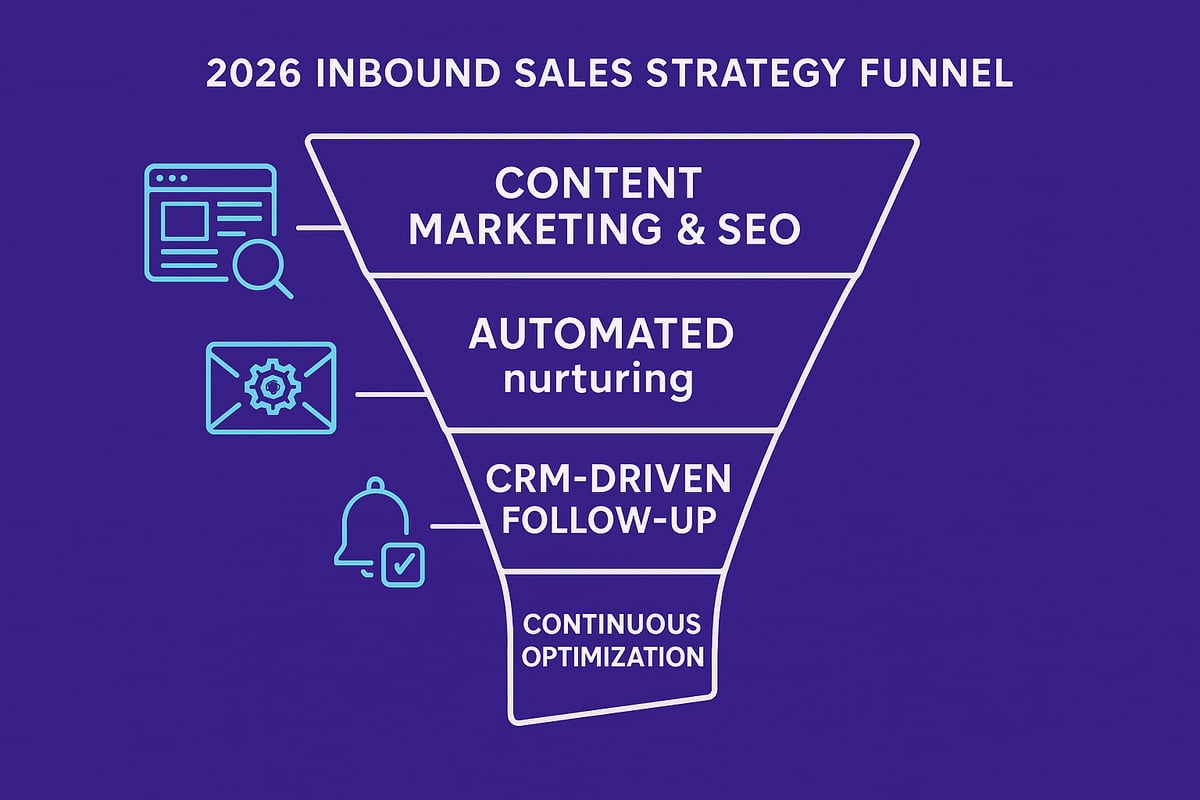
Effective inbound and outbound sales strategies start with compelling content and strong SEO. Inbound relies on blogs, webinars, eBooks, and video to attract prospects who are actively searching for solutions.
- Focus on buyer intent keywords to capture high-quality leads.
- Use topic clusters to build authority and improve search rankings.
- Optimize every asset for discoverability and conversion.
For example, a SaaS provider that ranks for “best AI CRM 2026” can generate a steady stream of inbound leads. According to HubSpot, companies with active blogs generate 67% more leads than those without. This compounding effect gives inbound and outbound sales teams a competitive edge.
The integration of SEO and content marketing ensures your brand is visible at every stage of the buyer’s journey. Consistent publishing, keyword research, and valuable resources are foundational for inbound and outbound sales teams aiming to scale in 2026.
Personalized Nurturing and Automation
Personalization and automation now define successful inbound and outbound sales campaigns. Segmented email sequences, dynamic content, and AI-powered chatbots help qualify and nurture leads at scale.
- Segment leads based on behavior, industry, and lifecycle stage.
- Trigger automated follow-ups after key actions, such as a whitepaper download.
- Use AI chatbots to engage and qualify prospects instantly.
After a prospect downloads an eBook, they might receive a tailored email sequence and chatbot prompts, streamlining their path to a demo request. Data shows that 80% of marketers use automation for inbound campaigns, making speed and relevance essential.
To deepen your approach, explore Trigger-Based Inbound Strategies, which leverage real-time behavioral data to drive timely, personalized outreach. This method ensures inbound and outbound sales teams engage leads when interest is highest, increasing conversion rates.
Sales Team Responsiveness and CRM Utilization
Speed is a critical differentiator for inbound and outbound sales success. The most effective teams use CRM platforms to prioritize and route inbound leads, ensuring quick and relevant follow-up.
- Set up CRM alerts for new inbound inquiries.
- Assign leads based on engagement, territory, or product fit.
- Use automated scoring to send hot leads to the right rep.
For example, when a demo request comes in, the CRM can instantly notify the best-suited sales rep. InsideSales found that 78% of buyers purchase from the first company to respond, underscoring the importance of rapid engagement in inbound and outbound sales.
Robust CRM utilization also helps track lead interactions, monitor pipeline health, and deliver a seamless handoff between marketing and sales. This alignment is vital for teams adopting both inbound and outbound sales approaches.
Measuring and Optimizing Inbound Performance
Continuous measurement and optimization are at the heart of top-performing inbound and outbound sales programs. Data-driven decision making ensures every tactic is accountable and scalable.
Key inbound metrics include:
- Conversion rates (visitor to lead, lead to customer)
- Lead quality and engagement score
- Time-to-close and cost per lead
Use analytics dashboards and attribution models to identify what works. A/B test landing pages, emails, and CTAs for incremental gains. Below is a sample of inbound KPIs and benchmarks:
<table>
  <tr>
    <th>KPI</th>
    <th>Benchmark</th>
  </tr>
  <tr>
    <td>Lead Conversion Rate</td>
    <td>8-12%</td>
  </tr>
  <tr>
    <td>Cost per Lead</td>
    <td>$45-65</td>
  </tr>
  <tr>
    <td>Time to Close</td>
    <td>30-45 days</td>
  </tr>
</table>
Optimization is ongoing. Top inbound and outbound sales teams review performance weekly, test new tactics, and double down on what delivers the highest ROI. As privacy laws and buyer expectations evolve, adaptability will separate leaders from laggards.
Outbound Sales Strategies and Best Practices for 2026
Outbound sales in 2026 are evolving rapidly, driven by AI, automation, and a need for hyper-personalization. Mastering outbound is no longer about volume, it is about timing, relevance, and leveraging the right mix of technology and human touch. Companies that blend modern outbound strategies with insights from inbound and outbound sales are poised for outsized success.
Targeted, Trigger-Based Prospecting
Outbound sales teams in 2026 focus on trigger-based prospecting to connect with prospects at the right moment. Instead of cold lists, reps use sales intelligence tools to monitor signals such as recent funding, new hires, leadership changes, or press coverage.
- Leverage LinkedIn alerts, funding databases, and event trackers
- Prioritize accounts with high buying intent signals
- Craft outreach messages referencing the specific trigger
For example, a sales development representative might reach out to a CMO after noticing their company was featured on a major industry podcast. This approach is reshaping inbound and outbound sales by making every touchpoint more timely and relevant. According to LinkedIn, trigger-based outreach yields three times higher reply rates, making it a cornerstone of effective outbound in 2026.
Human + AI Collaboration in Outbound
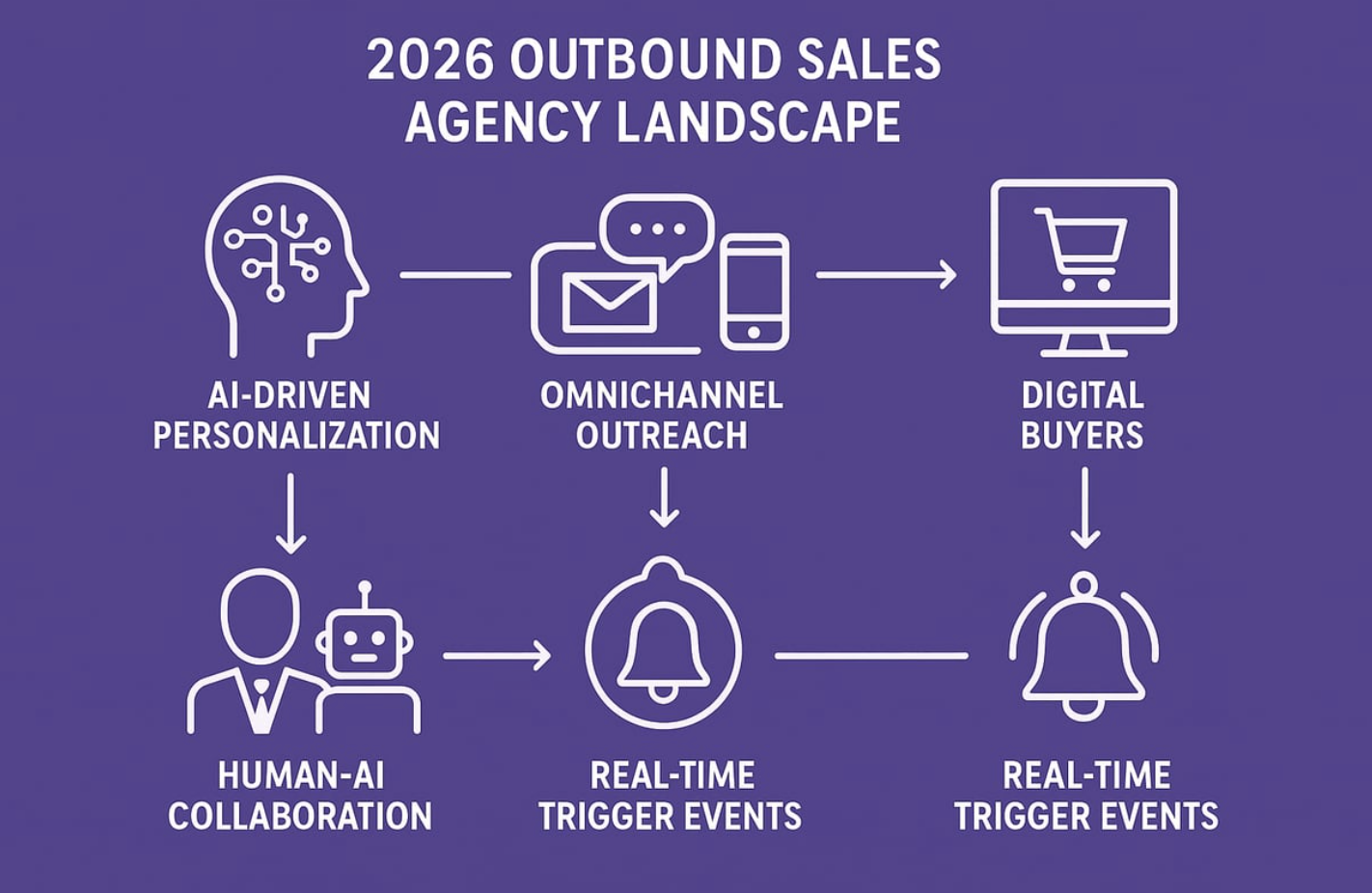
The most successful outbound teams blend AI-driven research with human relationship-building. AI SDRs handle data mining, lead enrichment, and even draft first-pass emails, freeing human reps to focus on high-value conversations.
- AI tools identify the best-fit prospects and suggest outreach times
- Human reps personalize messages and navigate complex sales cycles
- Automation eliminates repetitive tasks, increasing efficiency
This human-AI partnership is essential for maximizing results from inbound and outbound sales strategies. Recent surveys show 63% of sales teams now rely on AI for outbound, using tools that surface actionable insights while keeping the human touch front and center. Quality always trumps quantity in the new outbound era.
Multi-Channel Outreach and Personalization
Winning outbound campaigns in 2026 are deeply multi-channel. Reps connect through calls, emails, LinkedIn, and even SMS, orchestrating a sequence of personalized touches tailored to each prospect’s role and context.
- Use a mix of outreach channels to boost engagement
- Personalize every message based on company news, job titles, and industry trends
- Design multi-touch cadences, often requiring 8 or more touches for enterprise deals
This approach aligns with the broader shift in inbound and outbound sales, where personalization and persistence open doors. For actionable tactics, check out Enhancing Outbound Sales Performance for strategies that drive higher reply and meeting rates.
Measuring and Optimizing Outbound Results
Data-driven outbound is the new standard. Top teams track KPIs such as meetings booked, reply rates, pipeline generated, and cost per meeting using real-time dashboards and analytics tools.
- Use call analytics and email tracking to assess outreach effectiveness
- A/B test messaging and cadences for continuous improvement
- Benchmark performance against industry standards
| Outbound KPI | Industry Benchmark |
|---|---|
| Reply Rate | 12-18% |
| Meetings Booked per 100 Contacts | 8-12 |
| Cost per Meeting | $250-$400 |
| Pipeline Generated (per SDR/month) | $500K-$1M |
Continuous measurement and optimization ensure that inbound and outbound sales initiatives remain aligned and scalable.
Trigger-Based Outbound Automation: The Future of Quality Outreach
Trigger-based outbound platforms are powering the next wave of quality outreach in 2026. These solutions scan digital channels like LinkedIn, podcasts, and funding news for buying signals, then flag hot prospects for immediate action.
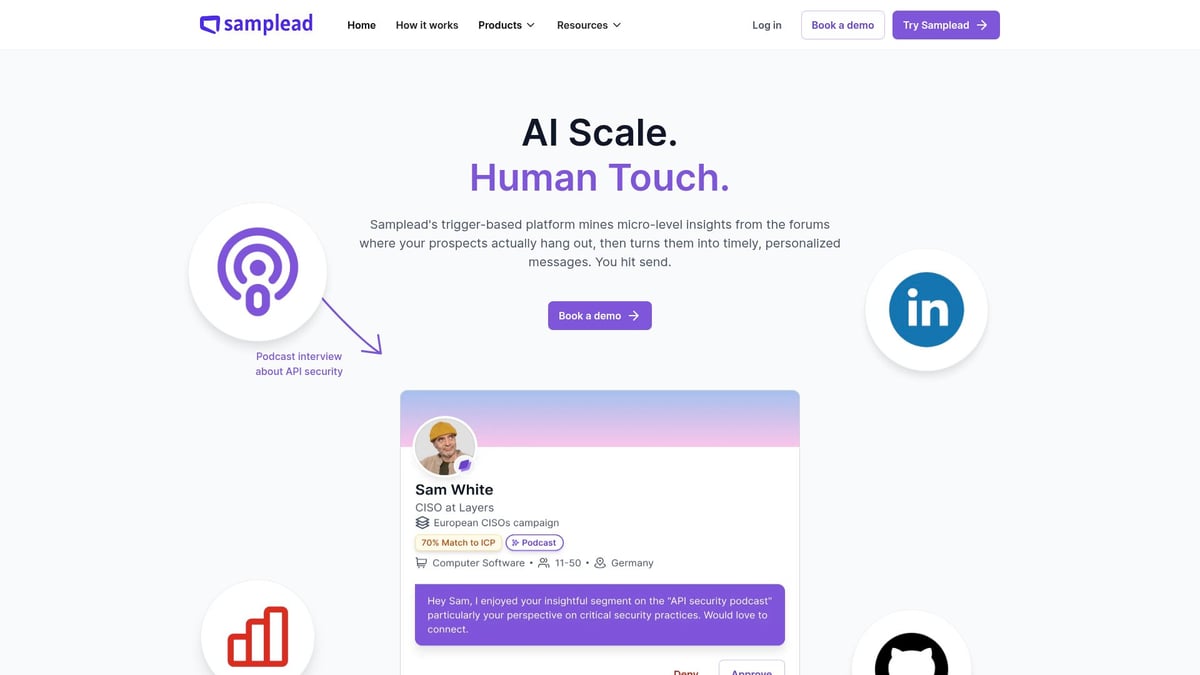
- AI surfaces prospects based on real-time triggers
- Human reps review, personalize, and launch outreach sequences
- Timely, relevant messages increase conversion rates
For example, a B2B SaaS company might close high-value deals by automatically reaching out to decision-makers right after a funding event is announced. This blend of automation and human oversight is setting a new standard for high-ACV B2B sales, uniting the best of inbound and outbound sales for exceptional results.
Sales Tools and Technology: What’s Powering Success in 2026?
Modern sales teams cannot compete without the right technology. In 2026, the landscape for inbound and outbound sales is defined by a new generation of platforms, automation, and AI-driven insights. Let’s break down the essential tools and tech trends powering success for sales organizations this year.
Essential Tools for Inbound Sales
Success in inbound and outbound sales starts with a robust tech stack for capturing, nurturing, and tracking leads. For inbound teams, CRM platforms like HubSpot and Salesforce are foundational, enabling seamless lead management and personalized engagement.
Marketing automation tools streamline campaigns, while chatbots handle initial inquiries and qualify prospects 24/7. Content management systems and SEO tools, such as SEMrush and Ahrefs, ensure your brand is discoverable when buyers search online.
For example, automated lead scoring in HubSpot helps prioritize high-intent prospects, ensuring no opportunity slips through the cracks. In 2026, 70% of high-performing teams rely on integrated CRM and automation to power their inbound and outbound sales efforts.
| Tool Type | Top Example | Inbound Benefit |
|---|---|---|
| CRM | HubSpot, Salesforce | Lead tracking, segmentation |
| Automation | Marketo, Pardot | Personalized nurturing |
| SEO/Content | Ahrefs, SEMrush | Organic lead generation |
Must-Have Outbound Sales Tech
Outbound sales teams rely on a different suite of tools to drive proactive outreach. Sales dialers, LinkedIn automation software, and sales intelligence platforms like ZoomInfo and SalesIntel are now standard for identifying and connecting with prospects.
Trigger-based prospecting tools alert reps to buying signals, while email sequence automation ensures timely follow-ups. Power dialers can boost call efficiency by 40%, allowing outbound teams to cover more ground without sacrificing personalization.
Outbound teams using sales intelligence platforms report 30% higher conversion rates. The right mix of tools empowers sales reps to target, engage, and convert prospects effectively—keeping inbound and outbound sales efforts tightly aligned.
| Tool Type | Top Example | Outbound Benefit |
|---|---|---|
| Dialer | Five9, Aircall | Efficient calling |
| Sales Intelligence | ZoomInfo, SalesIntel | Prospect targeting |
| Email Automation | Outreach.io, Reply.io | Follow-up at scale |
AI and Automation Across the Sales Funnel
AI is the backbone of inbound and outbound sales in 2026. It powers lead scoring, predictive analytics, and intent data, helping teams focus on the most promising opportunities. Automation manages repetitive tasks like follow-ups, meeting scheduling, and even conversation handling through intelligent chatbots.
For instance, AI within CRMs now suggests next-best actions, increasing efficiency and boosting close rates. According to LinkedIn, 61% of sales professionals say AI and automation are critical to their strategy. By embedding AI throughout the sales funnel, teams can make smarter decisions and scale faster.
AI-driven tools do not replace human reps, but they amplify their impact. Automation frees up time for meaningful engagement, ensuring inbound and outbound sales teams operate at peak performance.
Integration and Data-Driven Decision Making
Seamless integration is non-negotiable for high-performing inbound and outbound sales organizations. Unified dashboards bring together data from CRM, marketing automation, and sales ops platforms, making it easy to track every touchpoint and outcome.
Data-driven attribution models help teams allocate budget and resources to the highest-ROI activities. This approach enables continuous improvement, as real-time analytics reveal what is working and what needs adjustment.
For a deeper dive on this topic, see our Data-Driven Sales Strategy Guide, which covers the best practices for building a unified, analytics-driven sales process.
Integrated systems reduce silos, improve collaboration, and ensure that both inbound and outbound sales strategies are fully aligned with business goals.
Security, Compliance, and Buyer Privacy
As privacy regulations tighten, sales teams must prioritize security and compliance in every tool they use. GDPR, CCPA, and similar laws require transparency and consent management for all outreach, impacting both inbound and outbound sales efforts.
Modern platforms now include automated opt-out, consent tracking, and data protection features. This not only keeps your organization compliant but also builds trust with buyers who expect transparency.
In 2026, trust is a key differentiator. Secure, compliant sales technology ensures that inbound and outbound sales activities respect buyer privacy while delivering results.
Inbound vs. Outbound: Pros, Cons, and ROI in 2026
Choosing between inbound and outbound sales in 2026 requires a clear understanding of their unique advantages, drawbacks, and return on investment. Let’s break down the pros and cons of each approach, and explore how smart integration can maximize results.
Strengths of Inbound Sales
Inbound and outbound sales each bring distinct strengths to the table. Inbound sales excel at attracting high-intent buyers who are already seeking solutions. By leveraging SEO, content marketing, and automation, businesses can generate a steady stream of qualified leads at a lower cost per lead. For example, SaaS companies often build robust pipelines through educational content and webinars, establishing authority and trust.
Inbound strategies are highly scalable with automation, allowing teams to nurture thousands of prospects efficiently. According to HubSpot, inbound leads cost 61% less than outbound leads. This approach is ideal for complex products, long sales cycles, and educated buyers who prefer to self-educate before engaging with sales.
Strengths of Outbound Sales
Outbound sales offer direct access to decision-makers and can generate pipeline quickly. With outbound, sales teams proactively target specific accounts, making it effective for breaking into new markets or pursuing high-value enterprise deals. Personalized outreach, such as LinkedIn messaging or cold emailing after a company’s funding event, allows teams to connect with prospects at the right time.
Outbound is especially powerful for early-stage startups or organizations targeting a well-defined ideal customer profile. Data from LinkedIn shows that 75% of executives are open to cold outreach if it’s relevant. This approach accelerates deal cycles and provides more control over lead flow, making it a vital strategy for targeted, high-ACV opportunities.
Weaknesses and Challenges
Despite their strengths, both inbound and outbound sales come with challenges. Inbound can be slow to ramp up and requires ongoing investment in high-quality content. Lead flow can be unpredictable, and it’s harder to control the timing or volume of opportunities. Outbound, on the other hand, often incurs a higher cost per lead and faces risks of being marked as spam or ignored, especially if personalization is lacking.
Regulatory hurdles, such as GDPR and CCPA, also impact outbound campaigns, requiring careful attention to privacy and compliance. Both approaches demand skilled teams and a crystal-clear ideal customer profile to avoid wasted effort. Here’s a quick comparison:
| Aspect | Inbound Sales | Outbound Sales |
|---|---|---|
| Cost per Lead | Lower | Higher |
| Ramp-up Speed | Slower | Faster |
| Lead Control | Less Control | More Control |
| Compliance Risk | Lower | Higher |
Hybrid and Integrated Approaches
The smartest teams in 2026 combine inbound and outbound sales for maximum impact. Hybrid strategies, such as Account-Based Marketing (ABM), leverage the trust built by inbound content and the precision of outbound targeting. For example, inbound webinars can generate awareness, while outbound reps follow up with key decision-makers at target accounts.
Hybrid models outperform single-channel teams by 28%, according to Salesforce. Integration allows businesses to benefit from both scalable lead generation and targeted outreach. The evolution of AI and automation is accelerating this trend, with new tools enabling real-time personalization and predictive targeting. For a deeper dive into how these trends are shaping the future, check out AI Sales Trends to Watch in 2026.
Ultimately, the right mix of inbound and outbound sales depends on your goals, resources, and market. Continuous testing, alignment between sales and marketing, and leveraging the latest technology are essential to maximize ROI.
Real-World Examples and Case Studies
Examining real-world applications of inbound and outbound sales helps clarify how these strategies drive growth in 2026. Below, we highlight practical examples from SaaS, fintech, and cybersecurity, showcasing how each approach can deliver results. Each story demonstrates the power of tailored tactics, technology, and timing.
Inbound Success Story
A fast-growing SaaS company in the HR tech sector built its pipeline primarily through inbound and outbound sales techniques. Their strategy centered on content marketing: publishing deep-dive blog posts, launching educational webinars, and developing resource-rich eBooks.
By ranking for high-intent keywords like “best AI CRM 2026,” they attracted qualified prospects who downloaded resources and entered automated nurturing workflows. The results? Inbound leads accounted for 70% of their total pipeline, with a 3x higher close rate compared to outbound leads.
This compounding effect of content and SEO not only reduced customer acquisition costs but also established the brand as a trusted industry authority. Success hinged on data-driven optimization and continuous content investment.
Outbound Success Story
A B2B fintech company leveraged outbound prospecting to win enterprise deals in a competitive market. Their sales development reps (SDRs) used sales intelligence tools to monitor funding announcements and hiring trends, identifying ideal accounts at the perfect moment.
The team combined personalized LinkedIn messaging and targeted emails, often following up within hours of a trigger event. This approach led to a 40% response rate and an impressive 18% meeting-to-close ratio, closing multiple $1M+ deals.
Crucially, the fintech firm integrated AI-powered SDR technology to streamline research and outreach. For a deeper analysis of AI SDRs in outbound sales, see AI SDRs in Modern Sales. Their results highlight how timing, personalization, and automation are redefining outbound sales in 2026.
Hybrid Approach in Action
A leading cybersecurity firm combined inbound and outbound sales to accelerate growth and shorten sales cycles. The marketing team generated awareness through webinars and educational content, capturing leads from IT decision-makers.
Once prospects engaged with inbound campaigns, the outbound team launched Account-Based Marketing (ABM) initiatives, targeting C-suite executives at high-value accounts. Personalized outreach, based on inbound engagement data, ensured relevant conversations and higher conversion rates.
With this hybrid approach, the company saw a 25% reduction in sales cycle length and doubled pipeline velocity. The synergy between inbound and outbound sales enabled them to maximize reach and conversion, proving the value of integrated strategies.
Lessons Learned and Key Takeaways
Successful organizations align inbound and outbound sales by fostering collaboration between marketing and sales teams. Continuous testing, data-driven optimization, and leveraging technology like AI and automation are essential. The most effective approach adapts to your product, market, and resources, proving that blending inbound and outbound sales delivers the best outcomes in 2026.
| Company | Approach | Key Tactics | Pipeline Contribution | Close Rate | Sales Cycle |
|---|---|---|---|---|---|
| SaaS (HR Tech) | Inbound | SEO, Content, Nurturing | 70% | 3x vs outbound | Standard |
| B2B Fintech | Outbound | AI SDR, Trigger-based, LinkedIn | 60% | 18% | Shortened |
| Cybersecurity | Hybrid | Webinars, ABM, Personalization | 80% | 2x pipeline velocity | 25% shorter |
FAQ: Inbound vs. Outbound Sales in 2026
Curious about inbound and outbound sales in 2026? Here are answers to the most pressing questions:
What’s the main difference between inbound and outbound sales?
Inbound and outbound sales differ mainly in who initiates contact. Inbound is buyer-driven and relies on attraction, while outbound is seller-driven and uses proactive outreach.
Is outbound sales still effective in 2026?
Yes. Outbound remains effective, especially when powered by AI and data-driven triggers. Many buyers respond positively to well-timed, relevant outreach.
How can I combine inbound and outbound for best results?
A hybrid approach leverages the strengths of both. Use inbound to build trust, then target high-value accounts with outbound for greater reach.
What tools are essential for modern sales teams?
Integrated CRM, automation platforms, and AI-powered analytics are must-haves. For deeper insight into AI’s impact on productivity, see AI's Impact on Firm Productivity in Online Retail.
How do privacy laws affect sales outreach?
Compliance with GDPR, CCPA, and other privacy laws is mandatory. Use consent management and data protection tools to ensure trust and transparency.
Where can I learn more about sales strategy?
Explore our in-depth [sales strategy resources for 2026] for guides, tips, and best practices.